More Doors Are Open Than You Think

The following post was written by Komal Mangle on behalf of the CEHD Student Council. She has served as the council’s president since its formation in 2025.
A door is always open.
Have you ever heard a classmate say, almost in a whisper, “I wish I’d known about that sooner”? The assistantship was quietly filled. The scholarship whose deadline slipped by like water through open hands. The committee that went looking for a student voice and found someone else’s. The opportunity was never hidden. It was standing in the hallway the whole time, and we simply walked past it. So, let me ask you something as we open this first chapter of The Learning Curve: what if the life you are hoping college will hand you is not waiting somewhere far away, but is already woven into the ordinary corners of our college, patient, and unannounced? Here is the truth we keep returning to within CEHD. Opportunities do not arrive with trumpets. They sit folded inside an email you almost deleted, murmured by a professor between two sentences, pinned to a board you hurried past on your way to somewhere else. The students who always seem to be chosen are rarely the luckiest among us. They have simply learned to notice, and they have made peace with the small, trembling courage it takes to say yes.
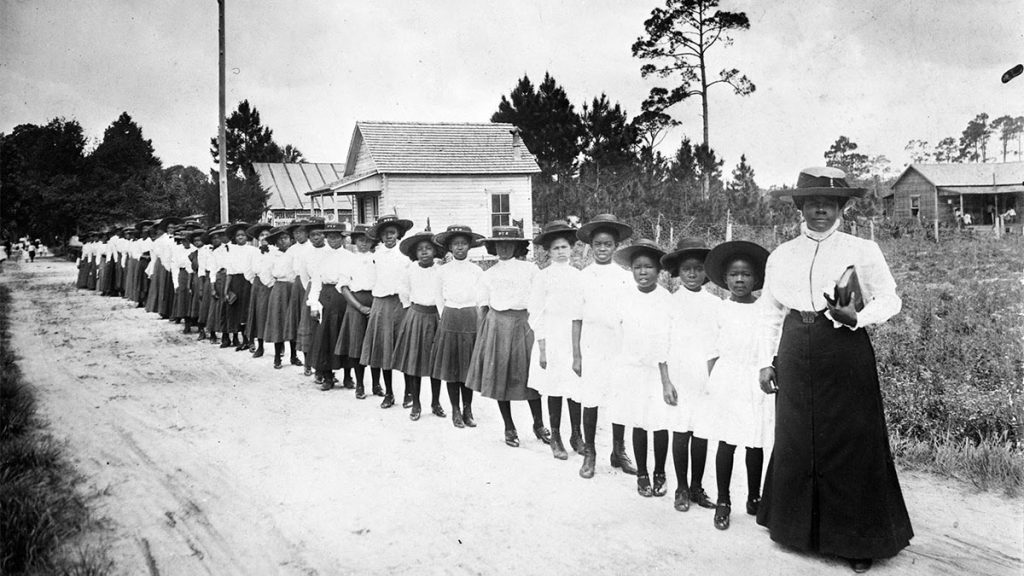
Consider Mary McLeod Bethune. In 1904, with five students and a dollar and fifty cents to her name, she opened a small school for Black girls in Daytona Beach, Florida, desks fashioned from discarded crates, ink made from elderberries. Within two years, those five students had become 250. That little school would grow into Bethune-Cookman University, and Bethune herself into a national civil rights leader and an advisor to a president. She did not begin with permission, resources, or a convenient moment. She began with a single yes and never stopped saying it. We are not all called to build universities. But the principle is the same: great things are almost always small things that someone refused to abandon.
So how do we begin to notice?
Start with what is already in your inbox. It sounds almost too humble to mention, doesn’t it? And yet so much of what our college offers, assistantships, scholarships, conferences, leadership roles, volunteer calls, travels quietly through the very listservs we are so quick to ignore. What if you read them not as clutter, but as a daily catalog of possibilities? Thirty seconds, a few times a week, is often all it takes for a door to reveal itself.
Talk to the people who are already in the room with you. Who hears about opportunities before they are ever posted? The faculty member standing at the front of your classroom. Professors have knowledge of projects, funding, and openings long before the rest of us, and so often they quietly hope a curious student will simply ask. You do not need a polished reason. “I’d love to get more involved. Is there anything you might point me toward?” How rarely do we ask that question, yet so much could be gained when we finally do.
 Show up. So much opportunity is nothing more than proximity and being visibly there while something is still being dreamed of into being. You cannot be pulled into a story you were nowhere near. Say yes to the small things. Not every opportunity arrives looking impressive. Some opportunities begin as the unglamorous task no one is fighting over, like helping organize an event, joining a council, or lending an afternoon to a project. But growth compounds. The student who says yes to the small thing this semester is so often the one being recommended for something far larger a year later. Roots come before branches.
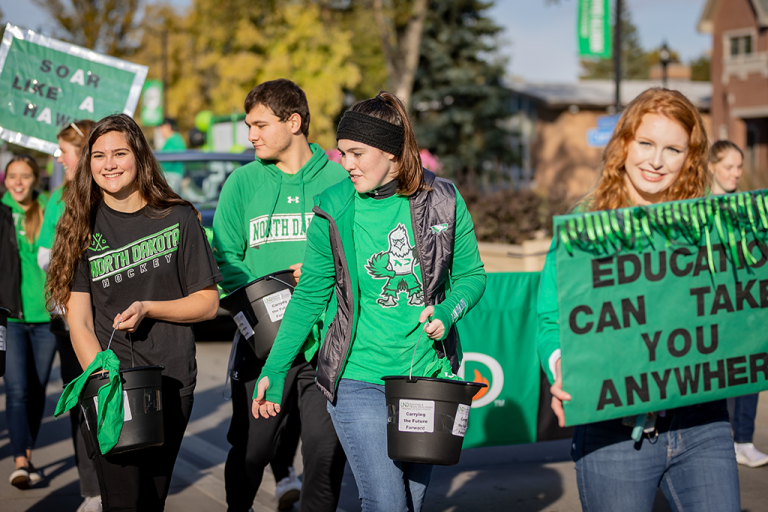
Our own Student Council began exactly this way: a handful of students who said yes to representing their peers, and who now have a voice in the rooms where decisions about your college are made. And it is only one of many resources built for you: student organizations, mentorship, research initiatives, and professional development. None of these doors of opportunity were meant for a chosen few. They exist because CEHD wants you to walk through them. Reaching out is not an imposition. It is the whole point. You do not have to chase everything at once. You do not have to have it all figured out. You only have to stay curious, stay reachable, and find the small, steady courage to step forward when something noteworthy crosses your path.
The opportunities are already here, patient, unannounced, woven into the everyday life of our college. The door is open. The only question left is: will you walk through it?
This post is brought to you by CEHD in collaboration with the CEHD Student Council. To learn more about the council or to get involved, visit their page or contact Dr. Jared Schlenker, CEHD Associate Dean of Student Success.
Keep following The Learning Curve blog for stories, information, and events for students, about students, and sometimes by students!
Did we miss anything? Email und.ehd@UND.edu with story ideas, news, and events celebrating our college.
Bookmark The Learning Curve today!