Labor Day: Not Just Another Day Off
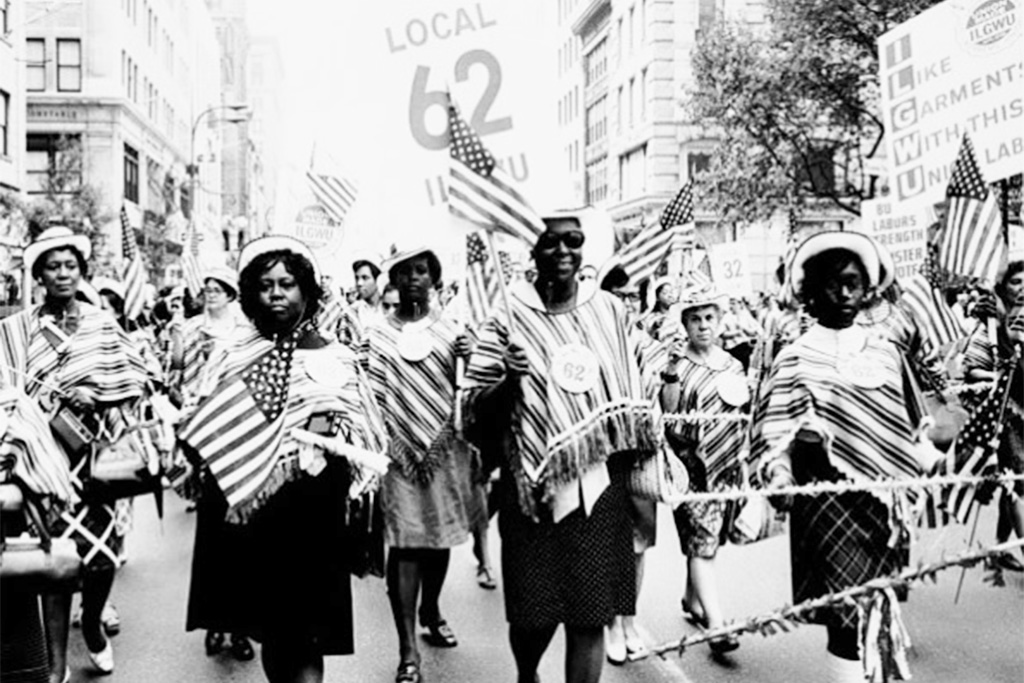 Each year, Labor Day offers Americans an opportunity to pause, reflect, and celebrate the countless individuals whose work strengthens our communities and shapes our nation’s future. While many associate the holiday with cookouts, family gatherings, and the unofficial end of summer, Labor Day was established to honor something far more enduring: the contributions of working people.
How It Started
In the 19th century, the United States experienced the Industrial Revolution. Many formerly agriculturally-driven communities began to grow into more urban communities with the rise of machines and factories for mass production, along with a new transcontinental railroad to facilitate interstate transport. However, workers in the Industrial Revolution were subject to long hours, low wages, and unsafe working conditions. In response, labor organizations emerged to advocate for fair treatment, reasonable work hours, and safer workplaces. As the labor movement gained momentum, workers sought a national day of recognition for their contributions to society.
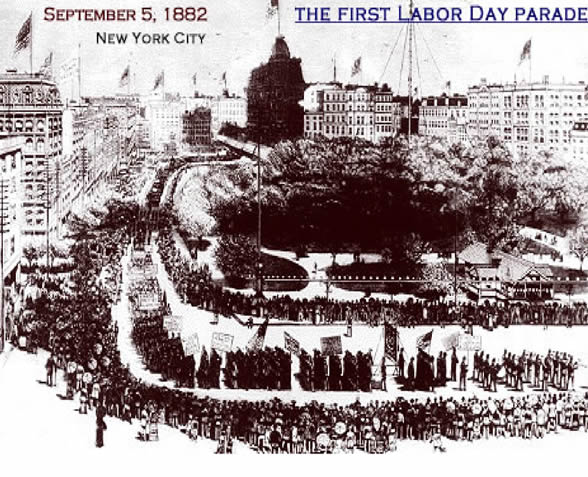
On Tuesday, Sept. 5, 1882, thousands of workers marched through New York City for the nation’s first Labor Day parade. It was so popular that the organizing body, the Central Labor Union of New York, repeated it the following year. Soon, other cities across the country followed suit and launched their own celebrations. Oregon was the first state to make the day an official holiday in 1887.
By 1894, somewhere between 23 and 30 states were officially celebrating the holiday. That year, Congress passed a bill recognizing the first Monday of September as an official federal holiday. President Grover Cleveland signed the bill creating Labor Day into law on June 28, 1894.
Significance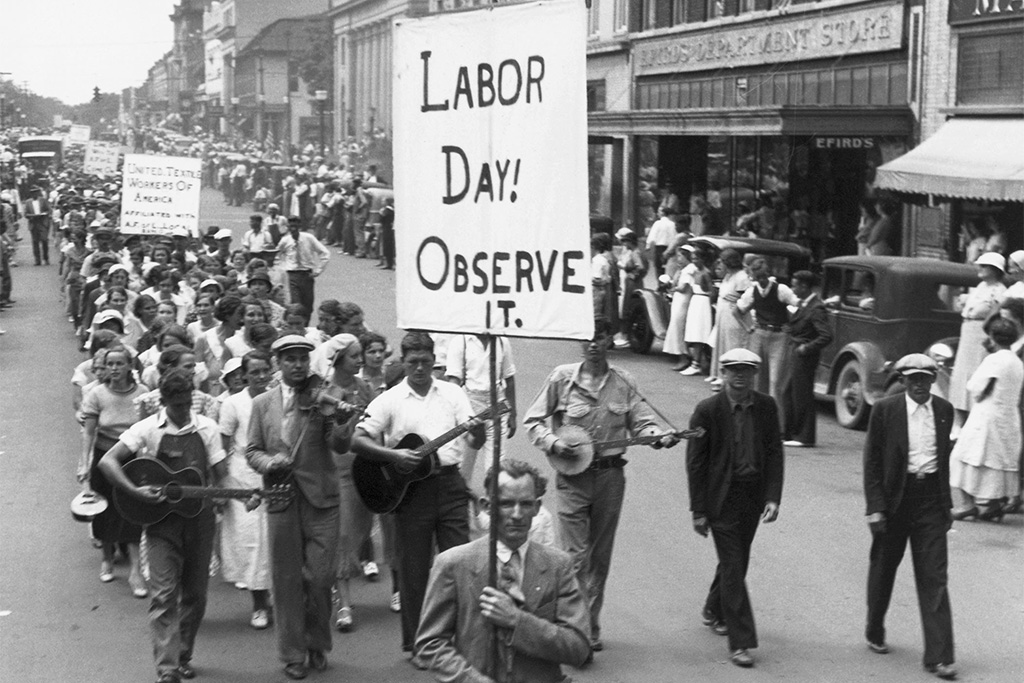
Labor Day has evolved into a celebration of both the achievements of workers and the broader impact of labor on American society. The efforts of generations of workers helped secure many workplace protections and standards that are often taken for granted today, including safer working conditions, limitations on child labor, and more reasonable work schedules. Organized labor also played a significant role in advancing economic opportunity and improving the quality of life for millions of families.
The story of Labor Day is also the story of America itself. The nation’s growth has been shaped by teachers who inspire future generations, health and human professionals who care for communities, farmers who feed the country, builders who create infrastructure, researchers who expand knowledge, and countless others whose daily efforts make progress possible. Museums and historical institutions, such as the Smithsonian, preserve these stories, reminding us that history is made not only by famous leaders and major events but also by ordinary people whose work leaves an extraordinary impact on society.

Closing Thoughts
As we enjoy and celebrate Labor Day, we must remember to honor not only the workers who came before us, but also those who continue to serve, create, teach, heal, build, and innovate. Their contributions enrich our lives, strengthen our institutions, and help shape a brighter future for generations to come.
Keep following The Learning Curve blog for stories, information, and events for students, about students, and sometimes by students!
Did we miss anything? Email und.ehd@UND.edu with story ideas, news, and events celebrating our college.
Bookmark The Learning Curve today!