Putting on Bakken boots
Foremost Well Services hosts two UND doctoral students in Dickinson, accelerating a classroom-to-field talent pipeline for North Dakota’s energy economy
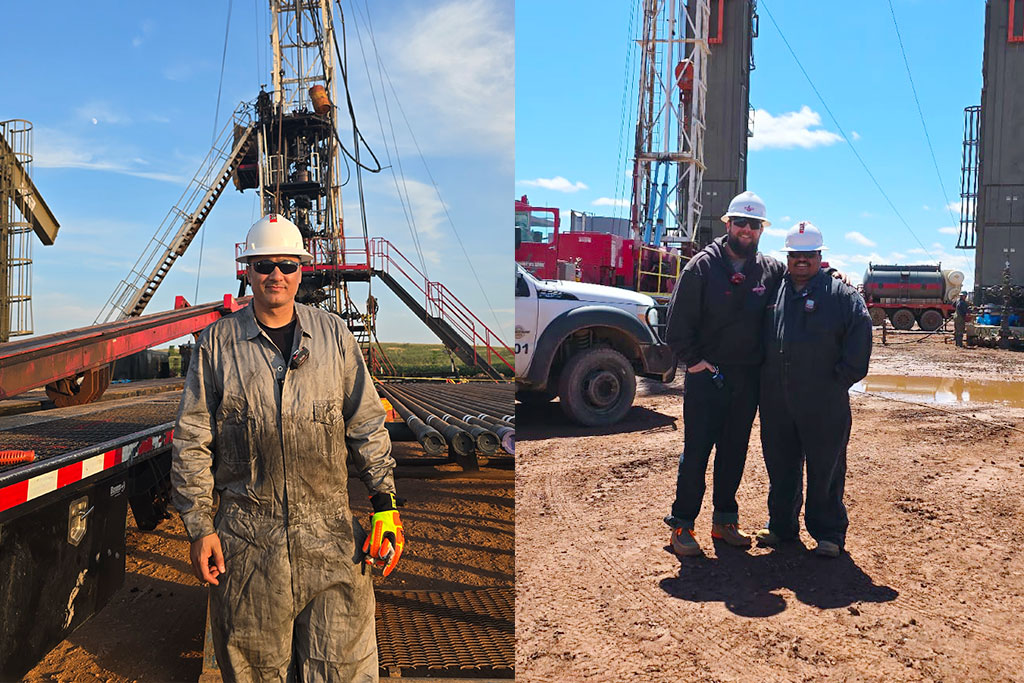
This summer, UND petroleum engineering students Farhad Bina and Vasanth Gokapai clipped in, checked gauges and stepped into the rhythm of a North Dakota workover rig.
The pair held an internship with Foremost Well Services, LLC, joining the crews who keep the Bakken running safely and efficiently.
“Energy has always represented progress and possibility to me… I wanted to see how the theories we study in engineering come to life in the field,” Bina said, reflecting on his first days on location and the professionalism he witnessed across U.S. energy operations.
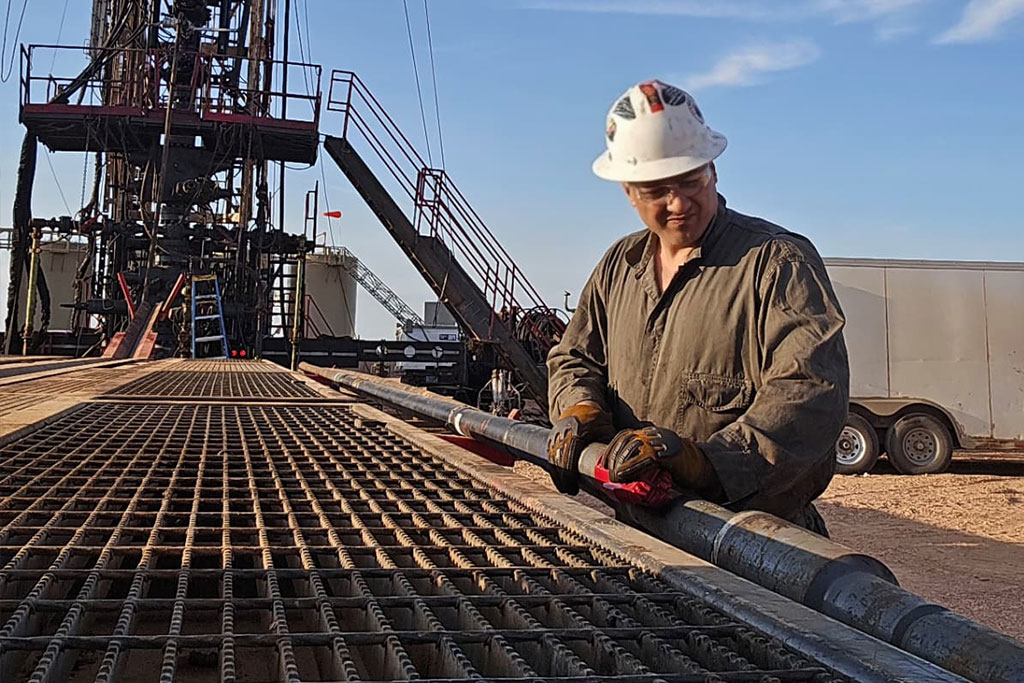
Foremost’s locally owned teams pulled the students straight into the action. Every shift started with toolbox talks, equipment checks, and Job Safety Analyses — habits that cement an engineer’s instincts for well control and hazard awareness.
“The biggest challenge I faced was adapting to the safety-critical and high-pressure environment of live well operations,” Gokapai said. “Initially, it was overwhelming… I overcame this by actively participating in daily safety meetings and toolbox talks.”
That safety-first culture gave the students a real-time laboratory for UND coursework in drilling, completions, production and reservoir engineering.
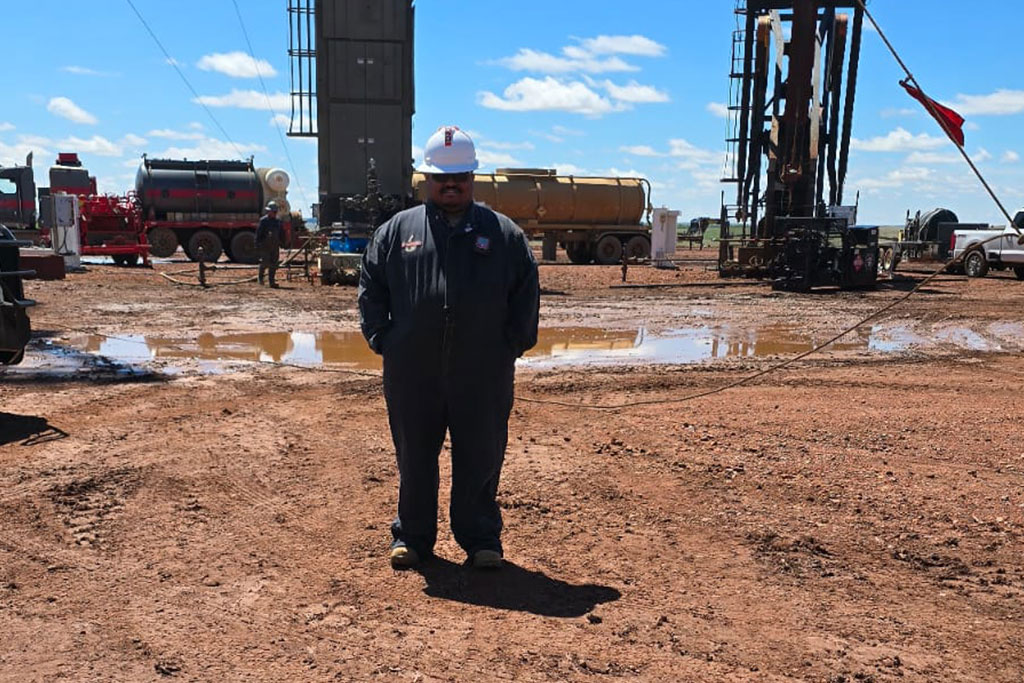
“This project directly connects classroom learning with field practice,” Gokapai added. “By working hands-on with well integrity, pressure management, and zonal isolation, I gained skills that… transfer to emerging energy applications such as geothermal systems and subsurface energy storage.”
The students also supported administrative and process improvement tasks, including streamlining reporting formats, assisting in workflow optimization, ensuring compliance documentation, and facilitating communication between management and field crews.
Between wellsites and the office, Bina and Gokapai learned how complex jobs succeed when multiple disciplines mesh.
“The most rewarding part… was being part of a team where every member—from the rig floor to the management office — understood that safety and performance depend on collaboration,” Bina said.
Built for North Dakota
The internship is a clear example of UND’s Department of Energy & Petroleum Engineering aligning advanced research with the needs of the state’s oil and gas sector.
The students credit the internship coordination to Harry Feilen, director of UND’s Drilling & Completion Lab, whose industry connections help students turn theory into field-ready judgment.
Inside the Williston Basin, that bridge matters. UND graduates are stepping into roles where judgment, communication, and safety are as critical as equations — and where petroleum engineering skills translate directly to the broader subsurface energy domain.
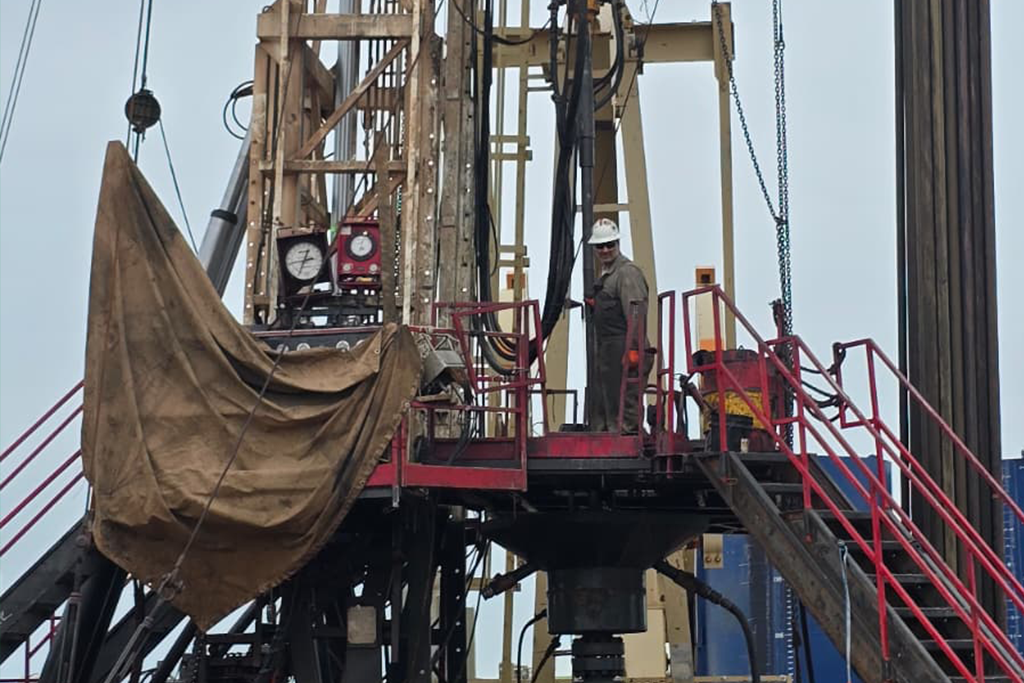
“Teamwork was at the heart of this project,” Gokapai said. “Every operation involved coordination between rig crews, flowback specialists, wireline operators, and safety officers… Success depends on respecting each team’s role and maintaining clear communication.”
By summer’s end, both doctoral students had more than a résumé line — they had a systems-level view of North Dakota energy operations, sharpened by long shifts, changing weather, and the responsibility of live-well work.
“Being part of that environment gave me a strong sense of purpose, knowing that my work contributes to sustaining and improving an energy system that plays a vital role in the nation’s growth and global energy leadership,” said Bina.
Written by Paige Prekker // UND College of Engineering & Mines