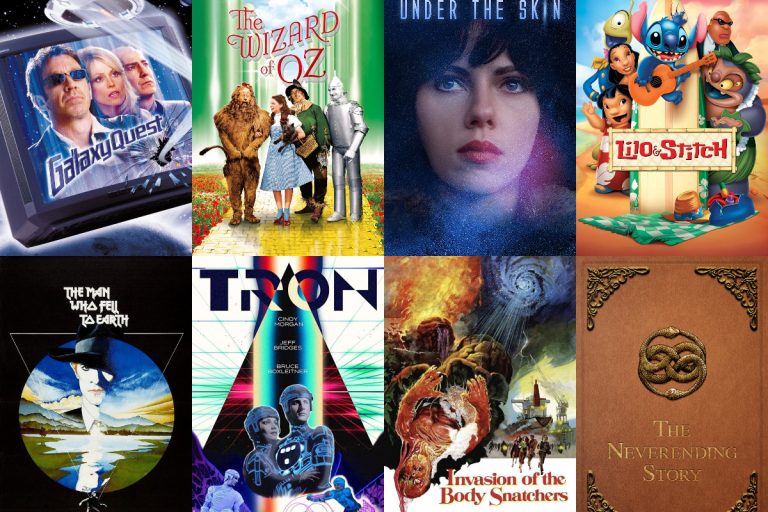
Get Some Celluloid in Your Literature!
Plenty of movies are adaptations: of short stories, plays, novels, TV shows, novellas, even video games. This month, we’re highlighting movies in our collection that are adaptations of literature. You’ll find faithful adaptation that hew closely to the original, as well as films that deviate wildly from the source material.
Two of the three(!) movies we’ll be screening this month have literary connections. On April 1, we are showing the documentary Matter of Mind: My Parkinson’s, which features interviews with Peter Dunlap-Stohl, author of the graphic novel My Degeneration. And on April 15, we’ll be screening Smoke Signals, which derives from the Sherman Alexie short story collection The Lone Ranger and Tonto Fistfight in Heaven. Finally, on April 29, we’ll have a showing of Zootopia 2, which you can prepare for by watching the original film. All films will be playing at 6:30 PM on their respective dates. We hope to see you there, reader!
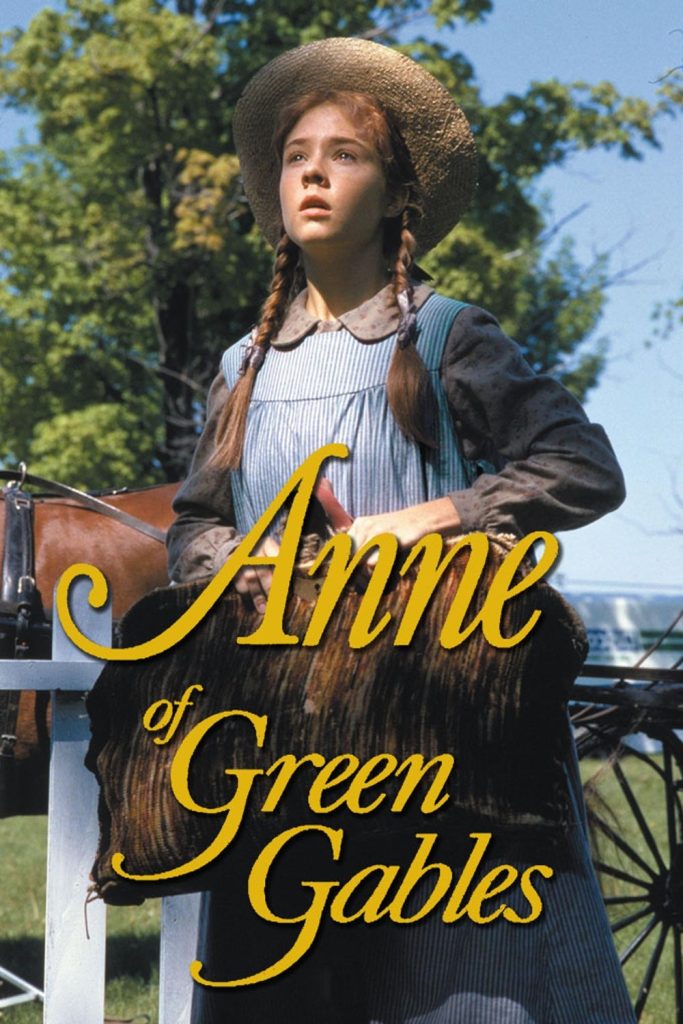
Orphan Anne Shirley (Megan Follows) is adopted by Marilla (Colleen Dewhurst) and Matthew Cuthbert (Richard Farnsworth). Kinda. The elderly couple had planned to adopt a boy, but the orphanage sends Anne to their farm, Green Gables, on Prince Edward Island by mistake. Anne moves from one mishap to another thanks to her wild imagination and passionate enthusiasm, yet she also grows closer to the children in town and her adoptive parents. Released as a two-part miniseries. Based on the novel by L.M. Montgomery. (1985, dir. Kevin Sullivan, 199 minutes)
Berlin, 1928: Franz Biberkopf (Gunter Lamprecht) is struggling to reintegrate into society after serving a four-year prison sentence for murdering his girlfriend. Hooking up with the docile Lina (Elisabeth Trissenaar), Franz vows to straighten out his life and avoid his old tendencies toward petty thievery and pimping. But the alternatives are eclipsed by bad luck, unstoppable impulses, temptation, and the violent opposition between crime and order, fascists and communists, scoundrels and dreamers. Released as a 14-part miniseries. Based on the novel by Alfred Döblin. (1980, dir. Rainer Werner Fassbinder, 894 minutes)

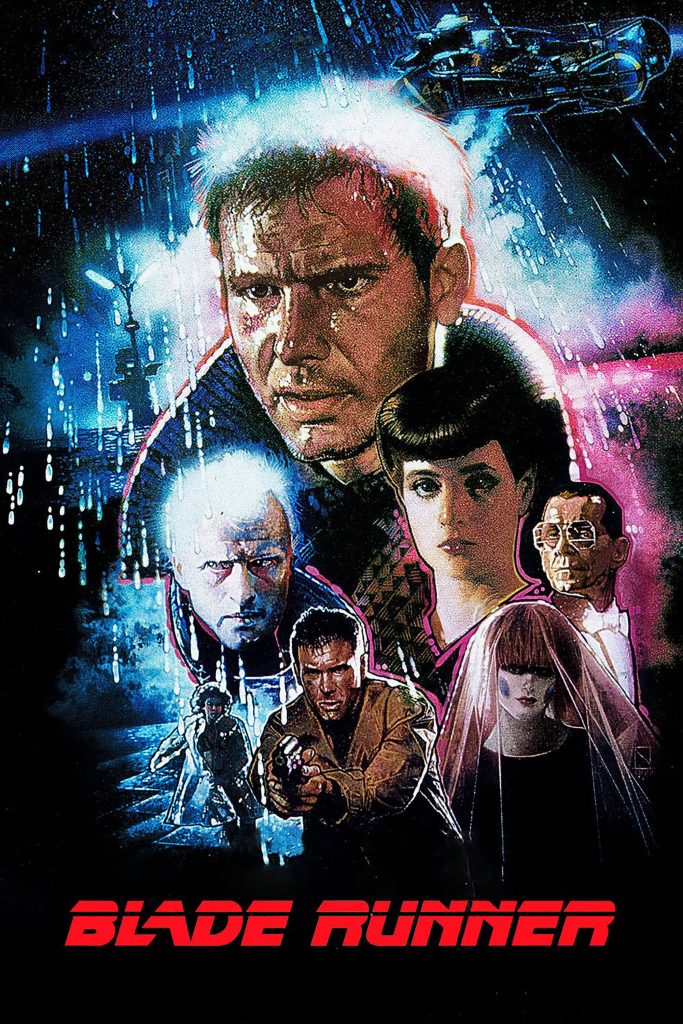
In the futuristic year of 2019, former Los Angeles police dick Rick Deckard (Harrison Ford) works as a “blade runner”, a bounty hunter who “retires” bio-engineered humanoids called replicants. Deckard is hired to retire four replicants led by Roy Batty (Rutger Hauer) who have illegally landed on Earth. As the replicants search for their creator in hopes of extending their artificially shortened lives, Deckard is bothered by Rachael (Sean Young), a new model of replicant who believes she is human. Based on the novel Do Androids Dream of Electric Sleep? by Philip K. Dick. (1982, dir. Ridley Scott, 117 minutes)

Charulata (Madhabi Mukherjee), better known as “Charu”, is a housewife in 1870’s Kolkata. Her husband, Bhupati (Shailen Mukherjee) has boundless enthusiasm for his small liberal newspaper but little time to express his affection for her. When Bhupati’s younger cousin Amal (Soumitra Chatterjee), a sensitive, literary student on break from university, comes for an extended visit, Charu enjoys his company, and their creative conversation encourage her to take up writing. But can Charu’s relationship with Amal remain purely intellectual? Based on the novella Nastanirh by Rabindranath Tagore. (1964, dir. Satyajit Ray, 117minutes)
Dr. John Markway (Richard Johnson) is an anthropologist studying psychic phenomena. He plans an investigation of Hill House, a reportedly haunted house in Massachusetts, and recruits two women to assist him: lonely Eleanor (Julie Harris), who encountered a poltergeist as a kid, and bold Theodora (Claire Bloom), who claims to have ESP. Joining them is Luke (Russ Tamblyn), a cynical young man who will inherit the house when its current owner dies. Strange sounds and other inexplicable happenings beset the party, and Eleanor in particular suspects the house wants her to remain forever. Based on the novel The Haunting of Hill House by Shirley Jackson. (1966, dir. Mike Nichols, 132 minutes)

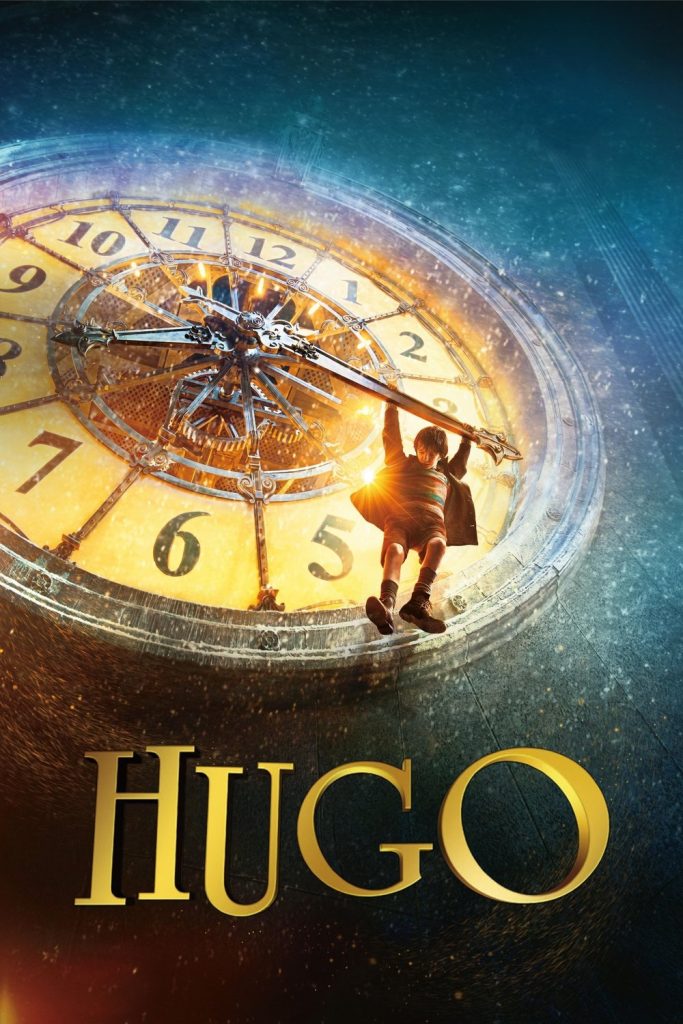
Paris, 1931: 12-year old Hugo Cabret (Asa Butterfield) is orphaned after his father (Jude Law) dies in a fire, then abandoned by his alcoholic uncle (Ray Winstone). Hugo is thus left to himself, continuing his uncle’s work maintaining the clocks at the Gare Montparnasse train station while repairing a broken automaton owned by his father. When Hugo’s notebook is confiscated by a toy store owner (Ben Kingsley) who caught him stealing spare parts, the toymaker’s goddaughter (Chloë Grace Moretz) works with him to get it back. Together, they discover the toymaker and the automaton are related, connected to the early days of cinema. Based on the novel The Invention of Hugo Cabret by Brian Selznick. (2011, dir. Martin Scorsese, 126 minutes)
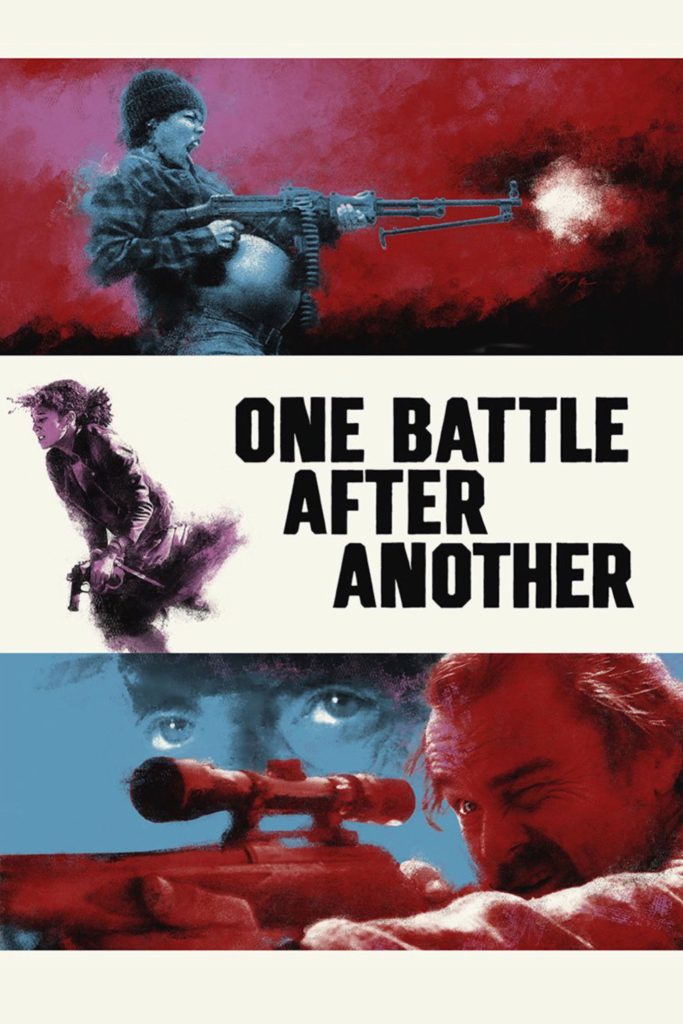
16 years ago, Pat Calhoun (Leonardo DiCaprio) belonged to a far-left revolutionary cell, the French 75. After the group is betrayed by Pat’s lover, Perfidia (Teyana Taylor), Pat adopts an alias and retreats to northern California with his daughter. Pat is now a paranoid stoner, and his daughter Willa (Chase Infiniti) has become a spirited teenager. Meanwhile, the man responsible for dismantling the Paris 75, Col. Steven J. Lockjaw (Sean Penn), is on the cusp of admittance to the Christmas Adventurers Club, a white supremacist secret society. Afraid the club may discover his previous affair with Perfidia, he arranges for Willa to be kidnapped, jolting Pat into collaborating with his old comrades to rescue her. Loosely based on the novel Vineland by Thomas Pynchon. (2025, dir. Paul Thomas Anderson, 161 minutes)
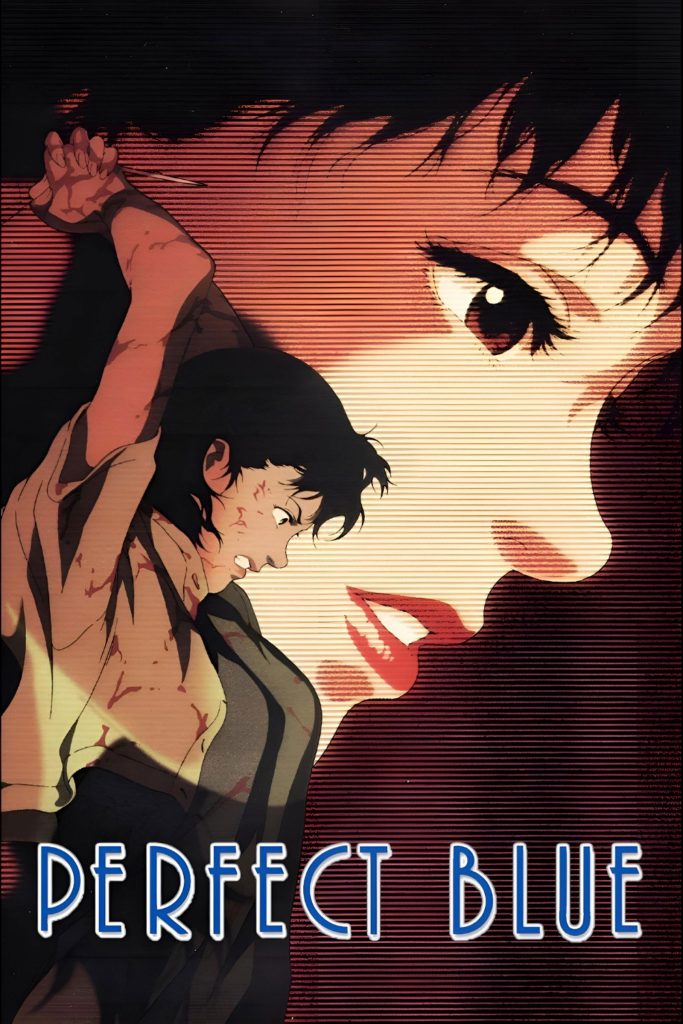
Breaking News: Pop star Mima Kirigoe (Junko Iwao) has split from her band CHAM! to pursue an acting career. Encouraged by her managers, Mima lands a recurring role on a popular (and sordid) TV show, shocking fans used to her clean-cut image. The bad vibes online boil over into a series of violent attacks on Mima’s entourage, all connected to a stalker calling himself “Me-mania” (Masaaki Ōkura). Distressed by the harassment, remorseful for jettisoning her singing career, and disoriented by unexpected twists on the TV show, a paranoid Mima begins to hallucinate a “realer” doppelgänger of herself. Based on the novel Perfect Blue: Complete Metamorphosis by Yoshikazu Takeuchi. (1999, dir. Satoshi Kon, 81 minutes)
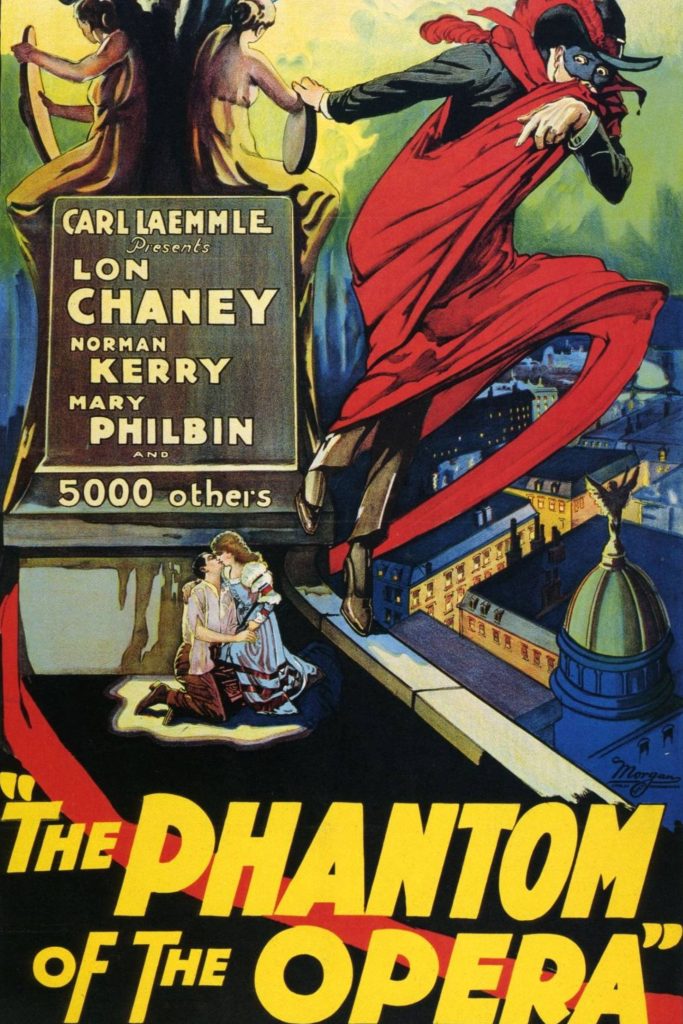
The Paris Opera is proud to present a production of Faust at the height of the Belle Époque. Primma donna Carlotta (Virginia Pearson) is scheduled to play the female lead, but she receives threatening letters from “the Phantom” (Lon Chaney) instructing her to call in sick so her understudy, Christine (Mary Philbin), may perform. As the Phantom’s interference with the operas begin to cause fatalities, Vicomte Raoul de Chagny (Norman Kerry) vows to rescue Christine from her abhorrent admirer. Based on the novel by Gaston Leroux. (1925, dir. Rupert Julian, 82 minutes)
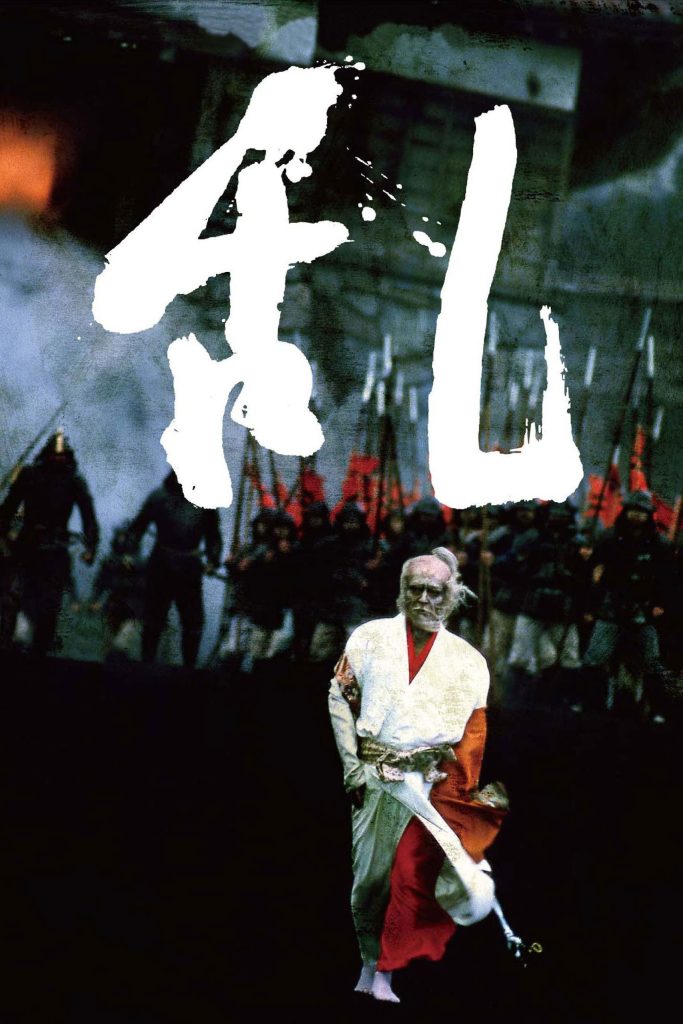
Warlord Hidetora Ichimonji (Tatsuya Nakadai) is advancing in age and ready to divide his domain amongst his three sons. However, his son Saburo (Daisuke Ryu) criticizes his simplistic ideas about loyalty and is exiled. Shortly thereafter, Lady Kaede (Mieko Harada) incites her husband, Hidetora’s eldest son (Akira Terao), to take full control over the family clan, beginning a civil war with his brother (Jinpachi Nezu). Realizing he has lost all his children, Hidetora’s sanity slips. Based on the play King Lear by William Shakespeare. (1985, dir. Akira Kurosawa, 162 minutes)
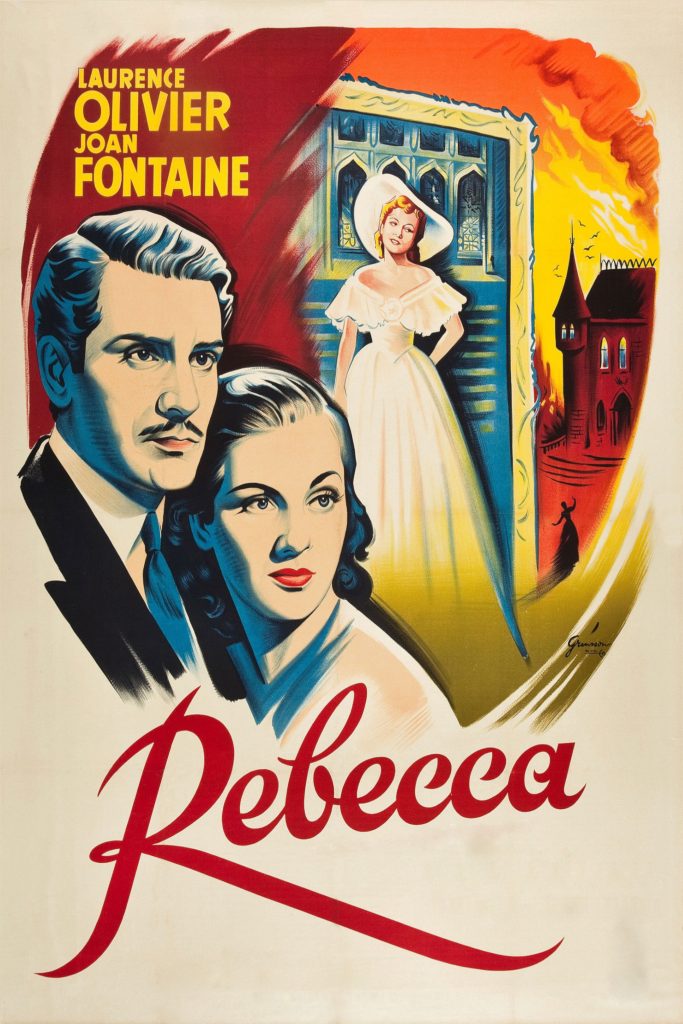
A young woman who works as a lady’s companion (Joan Fontaine) falls in love with the aristocratic widower Maxim de Winter (Laurence Olivier) during a stay in Monte Carlo. They quickly marry and return to Maxim’s seaside mansion in Cornwall, England. The new Mrs. de Winter is overwhelmed by her opulent new life and is frequently reminded of the enormous personality and sophistication of Maxim’s late first wife, Rebecca. Besides the shadow of the first Mrs. de Winter — and her mysterious death — she must contend with the housekeeper (Judith Anderson), who despises her as a poor replacement for Rebecca. Based on the novel by Daphe du Maurier. (1940, dir. Alfred Hitchcock, 130 minutes)
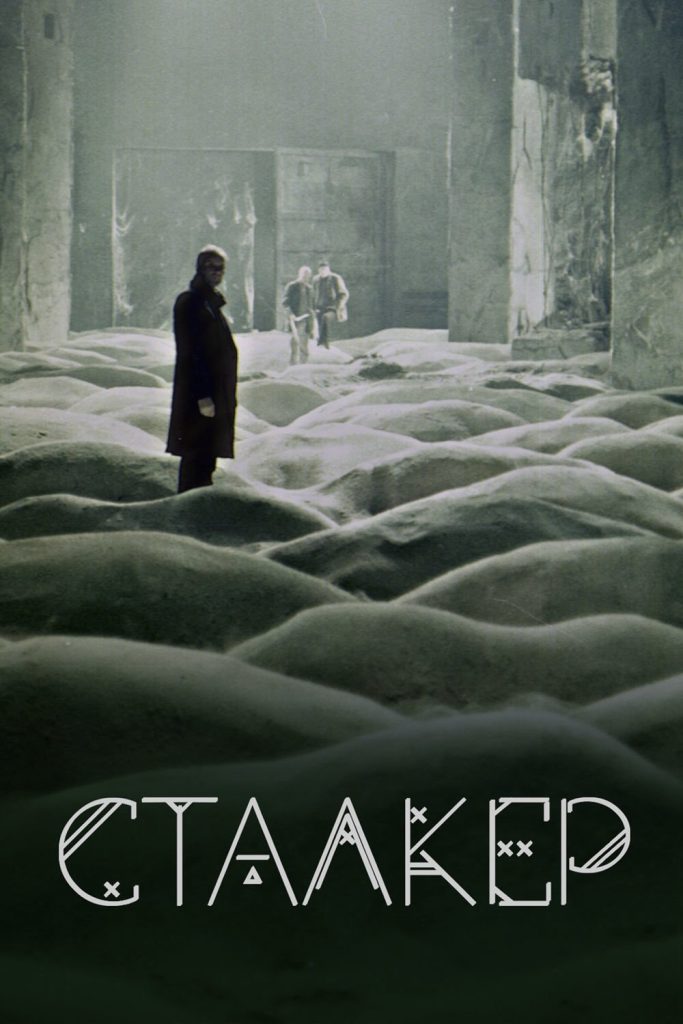
Three men — the Scientist (Nikolai Grinko), the Writer (Anatoliy Solonitsyn), and the Stalker (Alexander Kaidanovsky) — enter “the Zone”. Seemingly affected by extraterrestrial activity, the Zone is exempt from the normal laws of physics and is said to contain a bunker where one’s deepest desires can be granted. The Stalker leads his companions past invisible dangers while they discuss their wishes and speculate about the Zone and its magic Room. Based on the novel Roadside Picnic by Arkady and Boris Strugatsky. (1979, dir. Andrei Tarkovsky, 161 minutes)