Perfection (courtesy Dr. Andy McLean)
In medicine, patients rely on practitioners’ and the healthcare system’s expertise. The hope is that any “flaws” that occur are minor, and don’t contribute to significant harm. But as the seminal 1999 report from the Institute of Medicine indicated, we have work to do.
Whether we are talking about early academics (MCATs/GPAs) or clinical practice, those in healthcare tend to strive for perfection. Yet, we typically fall short. We are human.
I recall a classmate who failed out early in our first year of medical school due in part to his obsessiveness with perfecting his lecture and study notes. Not only did he “miss the forest for the trees” with the content, but his lack of sleep made everything worse. Part of the challenge of being a student or a practitioner is knowing when you have reached the point of diminishing returns. Knowing when you have “hit the wall” and need to stop studying for the night or knowing when you just can’t put off that vacation anymore, has an effect on your classroom and clinical performance.
That’s why I am fond of Voltaire’s phrase “The perfect is the enemy of the good.”
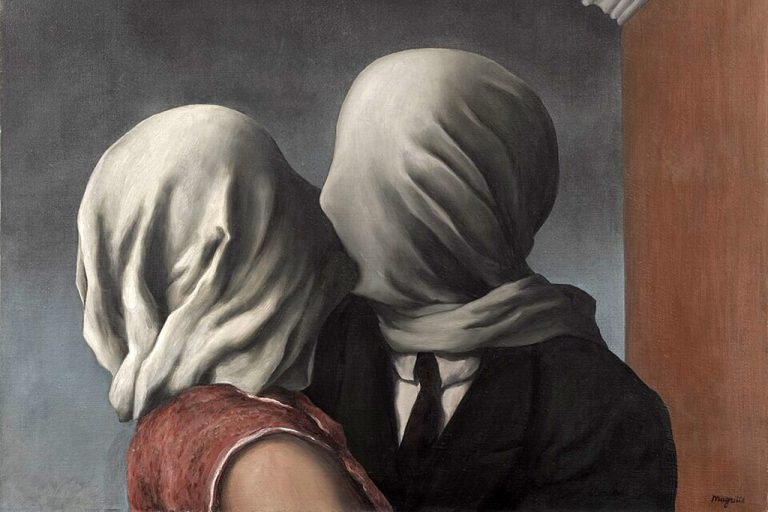
Interestingly, in some cultures, perfection is only approximated—if not intentionally thwarted—due to the belief that flawlessness should lie only in the realm of the divine. Examples include Tibetan or Hindu mandalas that are purposefully flawed, Persian rugs with a deliberately woven mistake, or the Navajo thread—the “spirit line”—that leads the weaver out of the designed pattern.
While I certainly wouldn’t endorse intentionally making a mistake in one’s answer on an exam or in the care of a patient, the idea that imperfection, intentional or not, is natural and human should remind us of the need for humility and acceptance that being “good enough” is often “good enough.”
Last year I had written about the art of kintsugi—the artistic repair of flaws in ceramic work. Another Japanese philosophical term is “wabi-sabi,” which articulates the view that there is meaning and value amidst imperfection, uncertainty, and change.
We need to learn to live with the paradox of continuing to do our best yet knowing we will fall short—to pursue excellence while embracing our imperfection. This is how we learn.
Reminder, if you would like to share inspirational quotes, stories, or ideas which might be helpful to others, please feel free to email Dr. Melissa Naslund at melissa.naslund@UND.edu.