How to Prepare for a Successful Year-End Financial Review

Written by Paul Smith, Southeast Center Director
Amid the year-end flurry of activity for most small business owners, it can be easy to put off reviewing your company’s finances until tax season. However, an initial year-end financial review provides an opportunity to assess your performance, make adjustments, and position your business for the year ahead. When done well, this process can help you identify strengths, uncover areas for improvement, and set realistic financial goals.
Here are seven steps to prepare for a successful year-end financial review.
-
Gather and Organize Key Financial Documents
Start by pulling together your income statement, balance sheet, and cash flow statement, often considered the “big three” financial reports. Add supporting documents such as bank and credit card statements, payroll records, and tax filings. Reconciling these items helps ensure accuracy and gives you a more complete picture of your business’s financial position.
-
Review Revenue and Expenses
Next, compare your actual results against your budget. Where did you exceed expectations, and where did you fall short? Variance analysis, which looks at the difference between projected and actual numbers, can highlight both opportunities and potential concerns.
Look closely at your revenue sources. Which products, services, or clients drove the most growth? On the expense side, review both fixed and variable costs. Identifying underperforming areas or rising cost categories now can help you make adjustments before they affect future profitability.
-
Assess Cash Flow and Liquidity


Many profitable businesses still struggle with cash flow. Review your cash flow statement to see how money moved in and out of your business throughout the year. Pay attention to accounts receivable. Are clients paying on time? Also review accounts payable. Are you managing vendor terms effectively? Developing strategies to accelerate collections or better time payments within agreed terms can significantly improve liquidity.
-
Evaluate Profitability and Margins
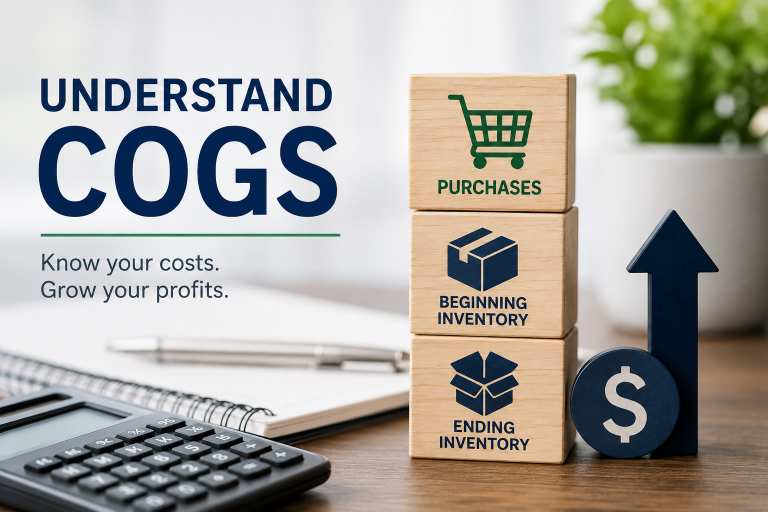
Profit margins can tell you more than sales figures alone. Examine your gross profit, which is sales minus the cost of goods sold, and your net profit, which is what remains after all expenses. Compare these numbers against industry benchmarks to see how your business measures up. If margins are shrinking, it may be time to revisit pricing, renegotiate supplier contracts, or streamline operations.
-
Check Your Debt and Financing Position
Take stock of your outstanding loans, lines of credit, and interest obligations. Are there opportunities to refinance high-interest debt or pay down balances faster? Reviewing your debt position also helps you understand your borrowing capacity, which can be useful if you are planning to expand, purchase new equipment, or hire employees in the coming year.
-
Plan for Taxes and Compliance
Before year-end, meet with a CPA or tax professional to discuss potential deductions, credits, retirement contributions, and other tax-planning opportunities. Double-check that payroll, sales taxes, and quarterly filings are up to date. Proactive planning can reduce surprises at tax time and help ensure your business is prepared for upcoming obligations.
-
Set Goals and Build an Annual Budget
Finally, use your review as a springboard for the year ahead. Translate your insights into SMART goals that are specific, measurable, achievable, relevant, and time-bound. Align your budget with these goals, whether you are focused on growing sales, hiring staff, or improving efficiency.
Prepare both revenue and cash flow projections so you can anticipate future needs and pursue opportunities with greater confidence. Most accounting software platforms make it easier than ever to create budgets and analyze variances by comparing actual results with budgeted revenue and expenses.
Conclusion
The final quarter of the year, ideally in late November or early December, is a good time for small business owners to conduct an initial financial review. This timing gives you a clearer picture of how the year is shaping up while still leaving time to make adjustments before year-end. It is also wise to schedule a follow-up review in January after year-end figures are finalized and the books are closed.
By gathering accurate information, analyzing performance, and planning strategically, you can enter the new year with greater clarity and direction.
If you would like help reviewing your financial statements, developing a budget, or setting goals for the year ahead, ND SBDC can help. Our expert advisors provide no-cost, confidential guidance to help small business owners and entrepreneurs manage and grow their businesses. Visit ndsbdc.org to connect with an advisor today.


Comments