Honoring RAIN Graduates: Celebrating Accomplishments and Community Impact at the CNPD RN-BSN Pinning Ceremony

In early August, the College of Nursing & Professional Disciplines (CNPD) hosted a pinning ceremony to honor the remarkable achievements of the summer RN to BSN program graduates. Among those celebrated were three dedicated Recruitment & Retention of American Indians into Nursing (RAIN) students: Alyssa Horn, Latoya Poitra, and Crystal Azure, who completed their Bachelor of Science in Nursing (BSN) degrees through UND’s online RN to BSN program.
A Transition to Professional Nursing
The CNPD’s nurse pinning ceremony is a time-honored tradition, marking the transition from nursing student to professional nurse. Each graduate receives a nursing pin, symbolizing their commitment to the core values and ethics of the nursing profession. The CNPD nursing pin, adorned with the University’s emblem and colors, signifies the origin of their education and the principles guiding their future practice. As each student is pinned, their future goals and aspirations are announced, celebrating both their achievements and the paths they will embark upon.

The Indigenous Star Quilt
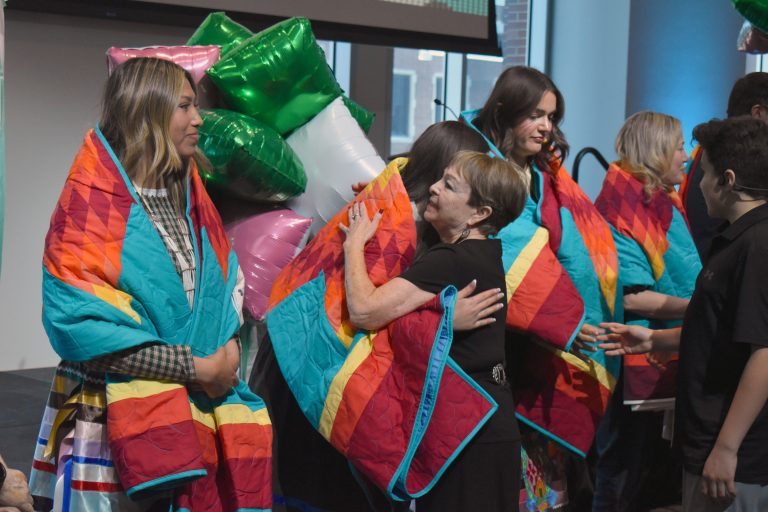
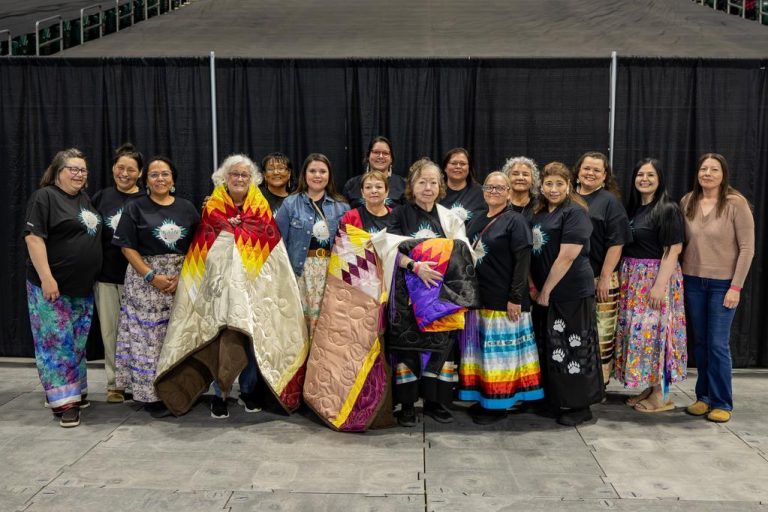
After the pinning ceremony, RAIN graduates were presented with a Star Quilt. For 35 years, RAIN has upheld the tradition of presenting Star Quilts to all their 258 BSN and RN to BSN graduates. The quilt features vibrant colors with the RAIN logo at its center and represents the students’ resilience, perseverance, and academic achievements. The quilt is a powerful symbol in Indigenous culture. “The Star Quilt is presented to honor the accomplishments of each graduate and is a symbol of the continued support of RAIN as they embark on their nursing careers,” said RAIN Program Director Barb Anderson.
Personal Journeys and Future Aspirations
The three RAIN RN-BSN graduates are committed to using their new skills to benefit their tribal communities:


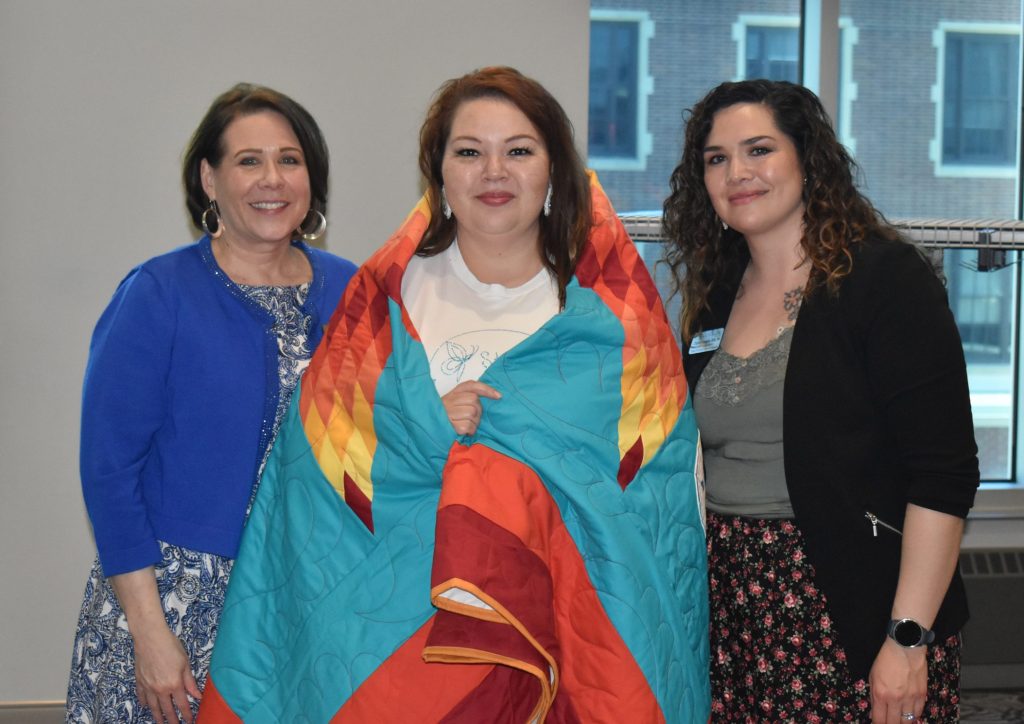
Their accomplishments not only celebrate their personal achievements but also highlight their dedication to making a positive impact within their communities as Indigenous nurses. “Having our own nurses in our Tribal Nations positively impacts healthcare and health outcomes as these nurses return to provide care,” added Barb Anderson.