Challsey Scallon: Making an Impact on Diabetes Awareness in Native Communities
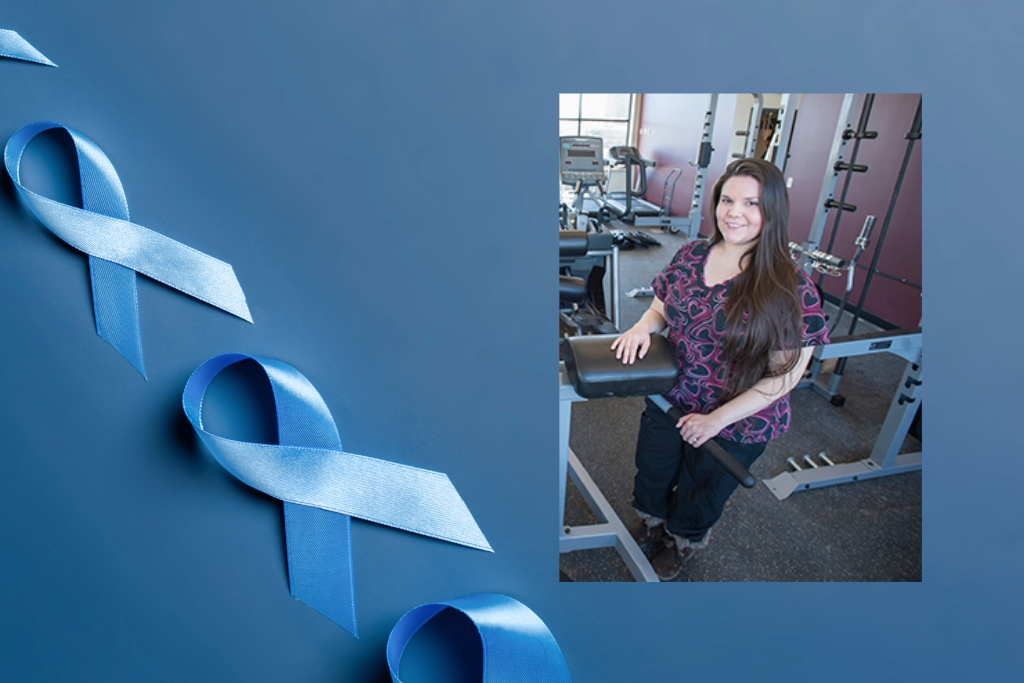
As we recognize American Diabetes Month, we’re taking the opportunity to highlight the work of Challsey Scallon, MSN, RN, a University of North Dakota (UND) Recruitment & Retention of American Indians into Nursing (RAIN) program nursing alum. With over a decade of experience in diabetes education, Scallon has significantly impacted her community, particularly in diabetes care and prevention for American Indian populations.
Scallon’s career began as an emergency department and inpatient nurse on the Cheyenne River Reservation. In 2012, she transitioned to a full-time RN role with the Special Diabetes Program for Indians (SDPI), serving the Spirit Lake Nation. In 2018, Scallon began balancing duties as Program Adviser/RN for SDPI and Diabetes Nurse Educator at the Spirit Lake Health Center (SLHC) in Fort Totten, ND.
We had the opportunity to speak with Challsey Scallon to gain insight into her work and how her efforts in diabetes education are positively impacting the health outcomes of her community.
Q: Challsey, what impact has the Spirit Lake Health Center had on the Spirit Lake Reservation?
A: Type 2 diabetes is prevalent in Indian Country. Type 2 diabetes is preventable by practicing a healthy lifestyle that includes healthy eating and being physically active.
Providing a place where community members can safely go to work on their personal health goals has been the greatest highlight… We also had former addicts utilize the center to continue a life of sobriety.
A year after the grand opening, the center had a total of approximately 560 members registered.
Q: How do you integrate cultural traditions into your diabetes education?
A: Respecting and listening to patients are vital when building rapport. The majority of diabetic educators’ role is building rapport and trust, especially during the first visits. I let them express what they’d like to continue taking, such as certain health supplements or drinking sage tea for example. The only time I’d intervene is if the cultural practice is putting them in danger or at high risk of causing harm. I luckily haven’t had to intervene throughout the years. We also use self-assessment for patients that includes any traditions or beliefs they’d like to incorporate in their cares.
Q: Can you share a success story?
A: Having people approach me in public to tell me that I helped them is by far the biggest reward. Giving people the confidence and motivation to work towards a healthier version of themselves is the greatest success to me.
On a side note, I do find it funny when I walk into the local grocery stores. The people who know what I do don’t want me to see what is in their carts and try to avoid me. I remind people that I’m here as a support person, not as a parent or to judge. I struggle the same as you all do. Our choices are our choices at the end of the day; however, I’m here to help when they are ready.
Q: How has the UND RAIN program influenced your career?
A: The staff and program helped me significantly while attending nursing school. They provided me with a “community” away from my very own. It gave me a better sense of belonging while in a new environment, especially being a minority on UND campus. I still feel “at home” when I visit RAIN all these years later. I honestly do not think I would have completed nursing school if I did not have the support of my family, friends, and RAIN!
Providing additional emotional support is huge! RAIN staff have supported us in all that we do. This means a lot.
Q: What advice would you give to other American Indian nursing students considering a career in diabetes education?
A: Keep an open mind to what the patients tell you…Continue to remind the patient that you are not there to be a “parent” and nag on them. You are a support person to help them understand their disease and how to manage it the best they can.
It truly is a rewarding job, especially when patients tell you how much you helped them.