Inaugural Middleton Entrepreneurship Symposium Brings Liquid Death Founder Mike Cessario to Nistler College
By: Marissa Burian
On Monday, April 27, students, faculty, staff, alumni, and community members gathered in Barry Auditorium at Nistler Hall for the inaugural Middleton Entrepreneurship Symposium, a new annual event designed to connect UND students with nationally recognized entrepreneurs, innovators, and business leaders.
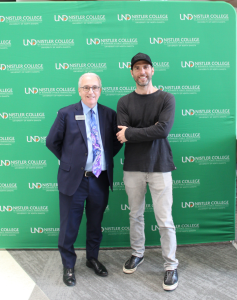
Hosted by the Middleton School of Entrepreneurship & Management within the Nistler College of Business & Public Administration, the symposium was created to inspire the next generation of founders and provide students with direct access to professionals who have built bold ideas into successful companies.
This year’s inaugural event welcomed Mike Cessario, Founder and CEO of Liquid Death, for an afternoon focused on entrepreneurship, creativity, branding, and challenging the status quo.
Students filled the auditorium to hear from one of today’s most talked-about founders, sample Liquid Death beverages, and gain insight from an entrepreneur who built a disruptive startup into a billion-dollar company.
Featured Speaker: Mike Cessario
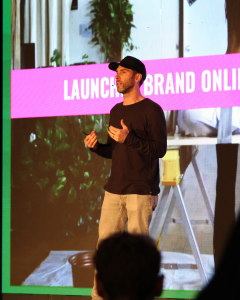
Cessario delivered a keynote titled “Entertain or Die: Because Boring Brands Die Quiet Deaths.”
Throughout his presentation, he shared how Liquid Death grew into a $1.4 billion brand by approaching marketing in an entirely different way. Rather than relying on traditional advertising, the company focused on entertainment, humor, storytelling, and creating content people genuinely wanted to watch and share.
He encouraged students to think beyond conventional business models and reminded attendees that standing out often requires taking risks, trusting creative instincts, and being willing to do what others are not.
His message resonated strongly with students interested in entrepreneurship, marketing, management, and innovation.
About Liquid Death
Founded by Cessario, Liquid Death has become one of the fastest-growing non-alcoholic beverage brands in the country.
The company packages mountain water, sparkling water, iced tea, and other low-calorie beverages in recyclable aluminum cans, combining sustainability with bold, unconventional branding that has captured national attention.
By transforming something as simple as canned water into a recognizable lifestyle brand, Liquid Death has proven how creativity and strong positioning can reshape an entire category.
Under Cessario’s leadership, Liquid Death has earned recognition from TIME100 Next, Fast Company’s Most Innovative Companies, Bain Insurgent Brands, and Ad Age’s America’s Hottest Brands.
Prior to founding Liquid Death, Cessario built his career in the creative agency world, working with brands such as Netflix, Domino’s, Toyota, and Organic Valley.
A Valuable Experience for Students
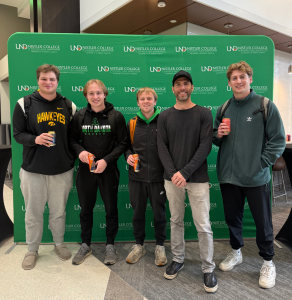
The symposium gave students the opportunity to hear firsthand how a founder transformed an unexpected idea into a globally recognized company.
For many attendees, the event offered practical lessons in branding, resilience, leadership, and the importance of creating something memorable in a crowded marketplace.
Following the keynote, students had the chance to meet Cessario, ask questions, sample products, and continue conversations about entrepreneurship and business building beyond the stage.
Building a Strong Tradition
As the first event of its kind, the Middleton Entrepreneurship Symposium established an exciting new tradition for UND students and the Nistler College.
By bringing successful entrepreneurs to campus each year, the symposium will continue to give students access to real-world insight, innovative thinking, and inspiration to pursue ideas of their own.
Thank You
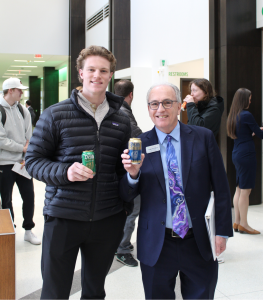
The Nistler College of Business & Public Administration extends sincere appreciation to Tom and Konnie Middleton for their continued support of entrepreneurship at UND.
Their generosity continues to create meaningful opportunities for students through the Middleton School of Entrepreneurship & Management and events like the Middleton Entrepreneurship Symposium.
Thank you as well to all students, faculty, staff, alumni, and community members who attended and helped make the inaugural symposium a success.