Celebrating Recent Atmospheric Science Graduates: Research Spotlights and NRT Connections
Recent Graduates
The Department of Atmospheric Sciences and the NSF National Research Traineeship (NRT) program at UND are excited to highlight two recent Master of Science graduates, Kassidy Kjos and Sydney Walters. Both recently completed their master’s degrees and are continuing their research with our NSF-NRT program.
Kassidy Kjos: Impact of Active Learning on Student Performance in an Introductory Atmospheric Science Laboratory Course
While active learning (AL) strategies are widely studied across STEM disciplines, very little research has focused specially on atmospheric sciences classrooms. Kassidy’s thesis addresses this gap by evaluating how interactive teaching methods impacts student success.
Research Overview
Little investigation into pedagogy in atmospheric sciences has been conducted. While numerous studies across STEM disciplines have examined and demonstrate active learning (AL) education is beneficial to student performance, fewer than fifty explored atmospheric sciences classrooms specifically. This study expands upon the few existing atmospheric science pedagogical studies that examined AL by evaluating a diverse set of AL strategies implemented into introductory meteorology laboratories (ATSC 110L) at the University of North Dakota.
During the Fall 2025 and Spring 2026 semesters, Kjos implemented five distinct active learning strategies including Think-Pair-Share, Game-Based Learning, Role-Playing, Diagramming, and Gallery Walks. Student performance is analyzed using the laboratory and its accompanying lecture (ATSC 110) curriculum assessments, as well as through pre- and post-tests. Student performance after exposure to AL strategies is compared to all other traditionally taught students.
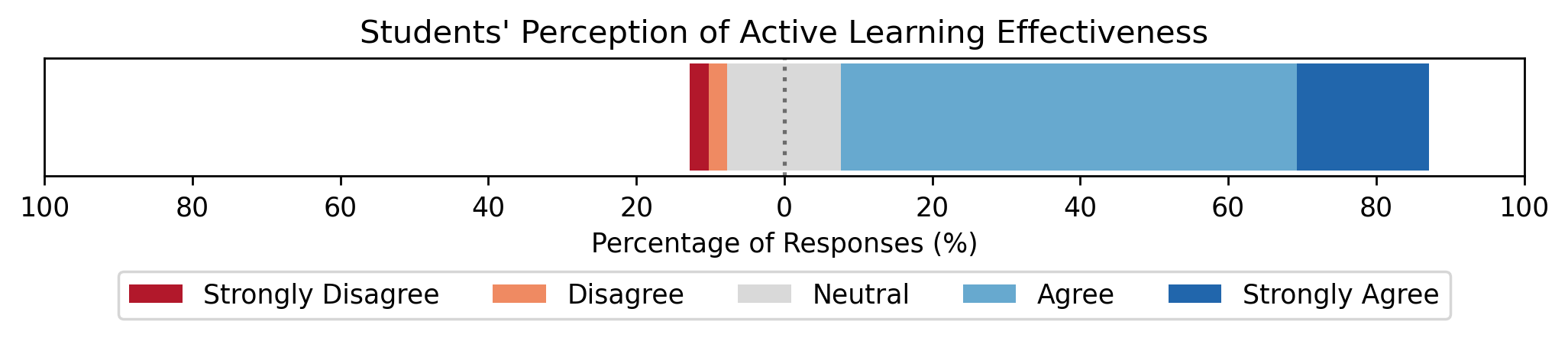
Results indicate students exposed to AL performed better than students not exposed on most assessments. Analysis of pre- and post-test data suggests students have opportunity to understand material more after experiencing interactive teaching styles compared to students in traditional laboratories, although, there is variability in the extent of the learning gains and which topics benefit more from AL intervention.
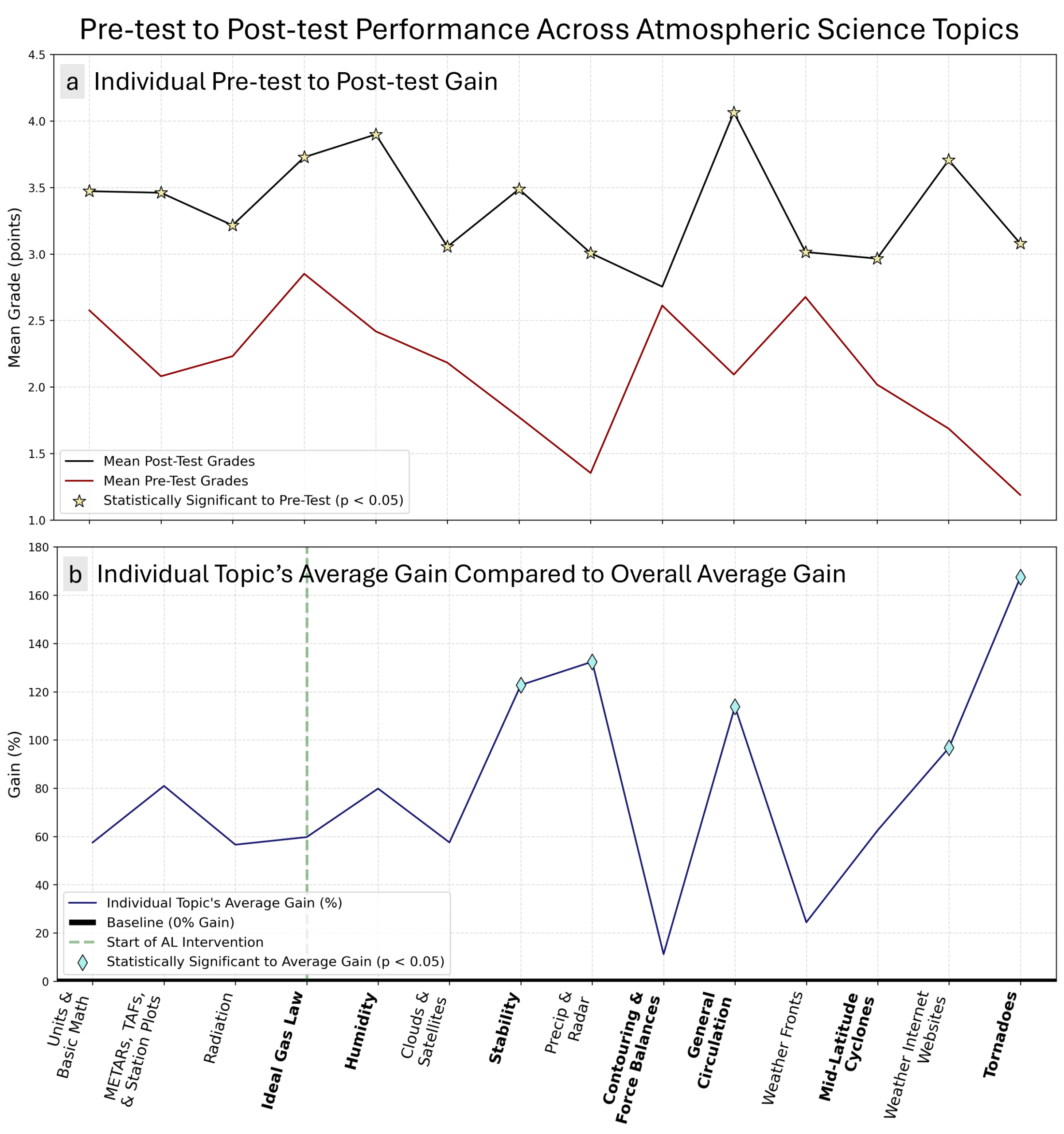
The most effective strategy identified was game-based (top performing for the most topics, those being Humidity, Stability, Force Balances, and General Circulation), but, overall, top-performing strategy varied depending on topic taught and assessment analyzed, demonstrating that further analysis across various modalities is needed.
Next Steps with NRT
Switching gears from her masters work, Kassidy plans on working with the National Weather Service in Grand Forks, ND focusing on hydrologic modeling.
Sydney Walters: A Global Climatology of Tropical Cyclone Integrated Kinetic Energy Utilizing Best Track and Synthetic Aperture Radar Data
Tropical cyclone (TC) intensity has traditionally been quantified based on the maximum sustained wind speed, a single-point metric that does not capture the full destructive potential of the TC. Sydney’s thesis explores Integrated Kinetic Energy (IKE), which factors in the strength, size, and overall spatial distribution of a storm’s wind field.
Research Overview
IKE is traditionally calculated as the total kinetic energy of the TC’s wind field inside its radius of tropical storm-force winds. This work presents the first global climatology of IKE using best track observations from 2004-2024 of 34-, 50-, and 64-knot wind radii from the National Hurricane Center and Joint Typhoon Warning Center.
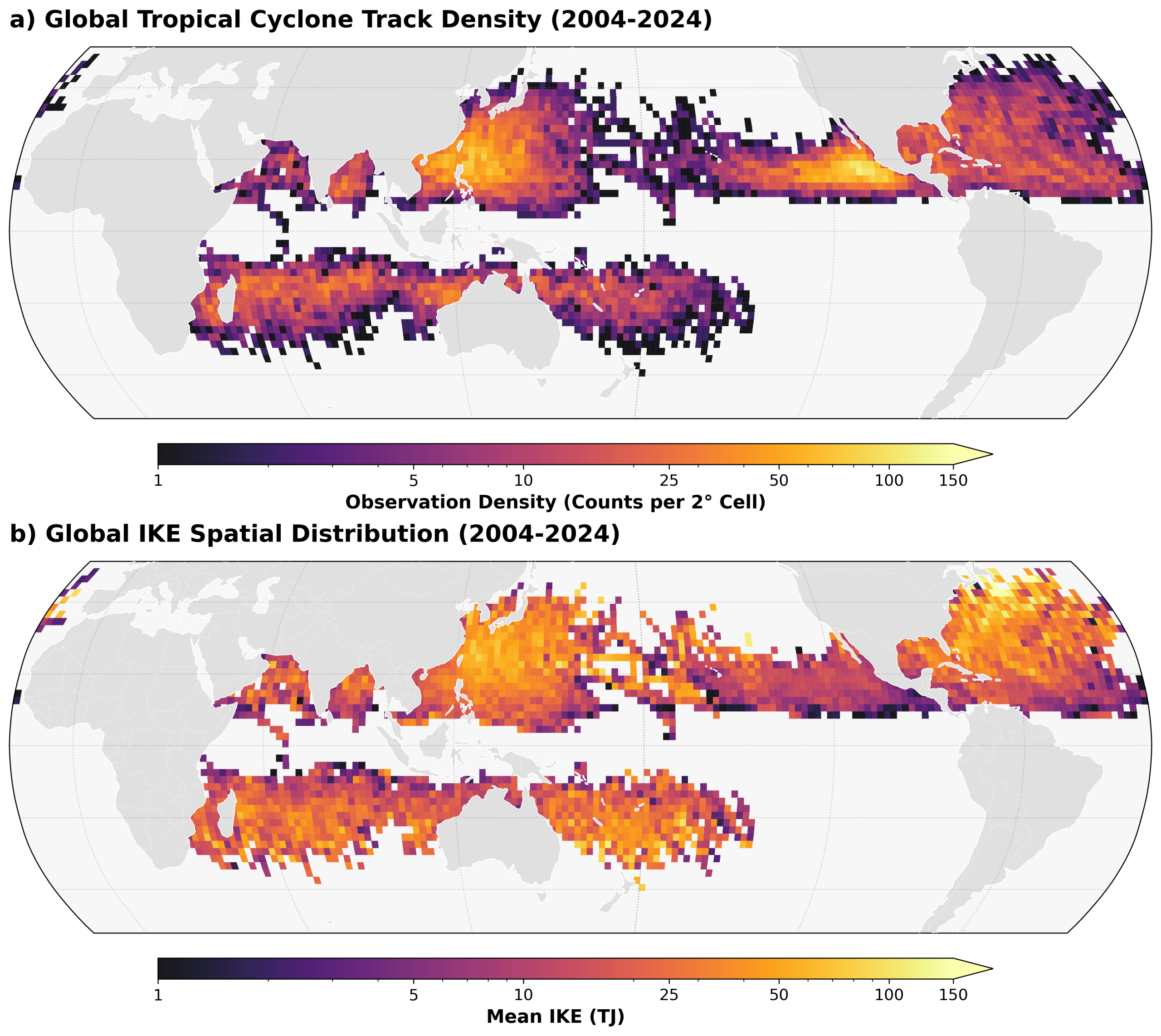
IKE is analyzed as a function of maximum sustained wind speed and minimum pressure throughout a storm’s life cycle, as well as relative to the storm’s translation direction and speed. Additionally, this work details how IKE is distributed among the 34–50 kt, 50–64 kt, and 64+ kt wind regions, as well as the asymmetric distribution of IKE in earth-relative, storm motion-relative and vertical wind shear-relative frameworks.
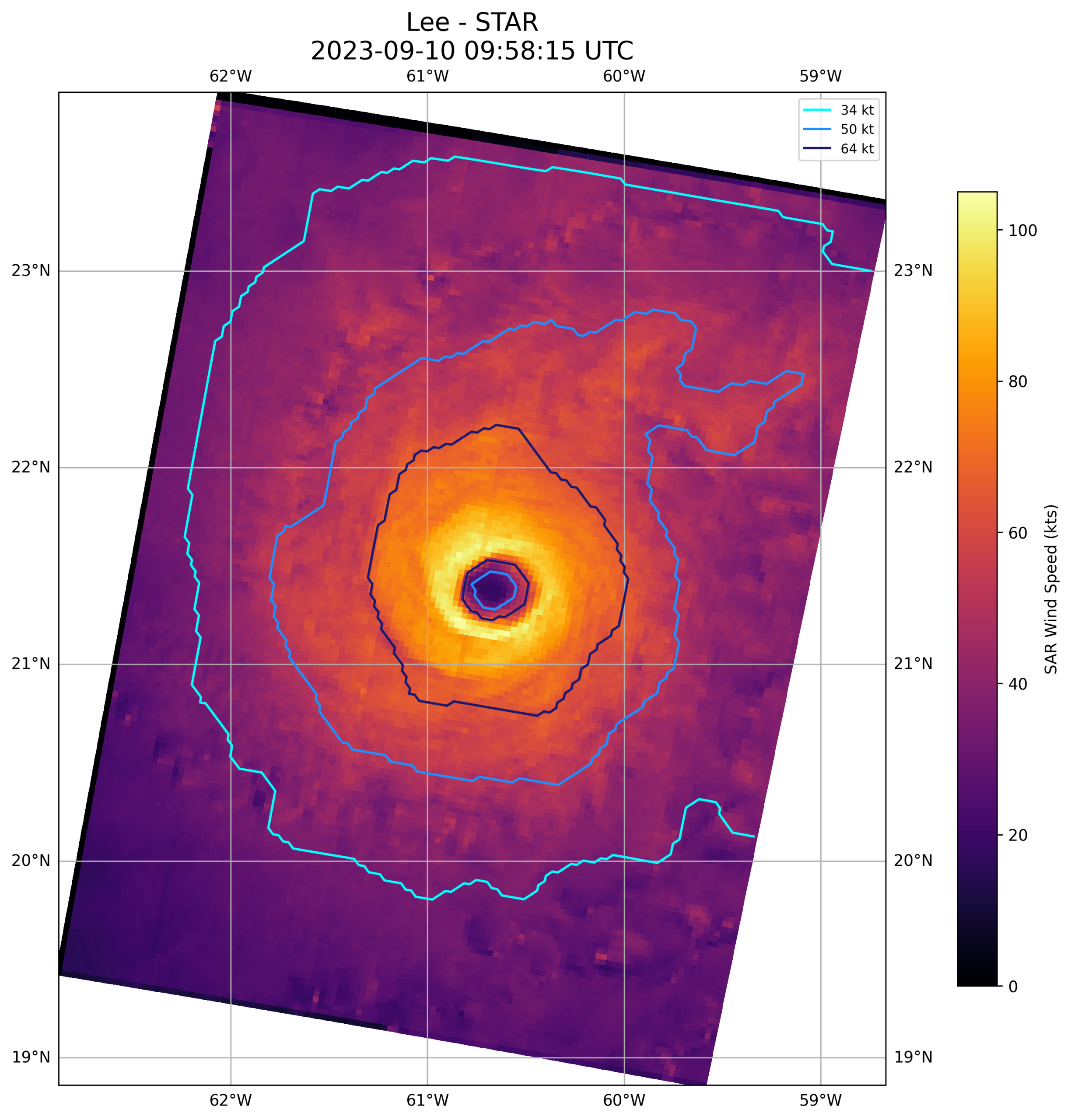
We assess other aspects of IKE climatology including interannual variability, relationship with intensity change across all global basins, and the impact of extratropical transition on IKE.
Looking Ahead with the NSF-NRT Program
Building on her master’s research, Sydney will be collaborating with meteorologists at the National Weather Service on a modeling study to isolate and explore how Predecessor Rain Events compound flooding during landfalling hurricanes.