Have a safe, healthy, and confident return to school.
Return to school safety tips for parents: The return to school is an exciting milestone, but it also brings changes in daily routines, traffic, and screen time. Proactive preparation helps keep kids safe, healthy, and confident.
Commute & Transit Safety
- Pedestrians & Cyclists: Walk or ride the route together before the first day. Remind children to put phones away while walking, cross only at intersections or crosswalks, and always wear a properly fitted helmet when riding a bike.
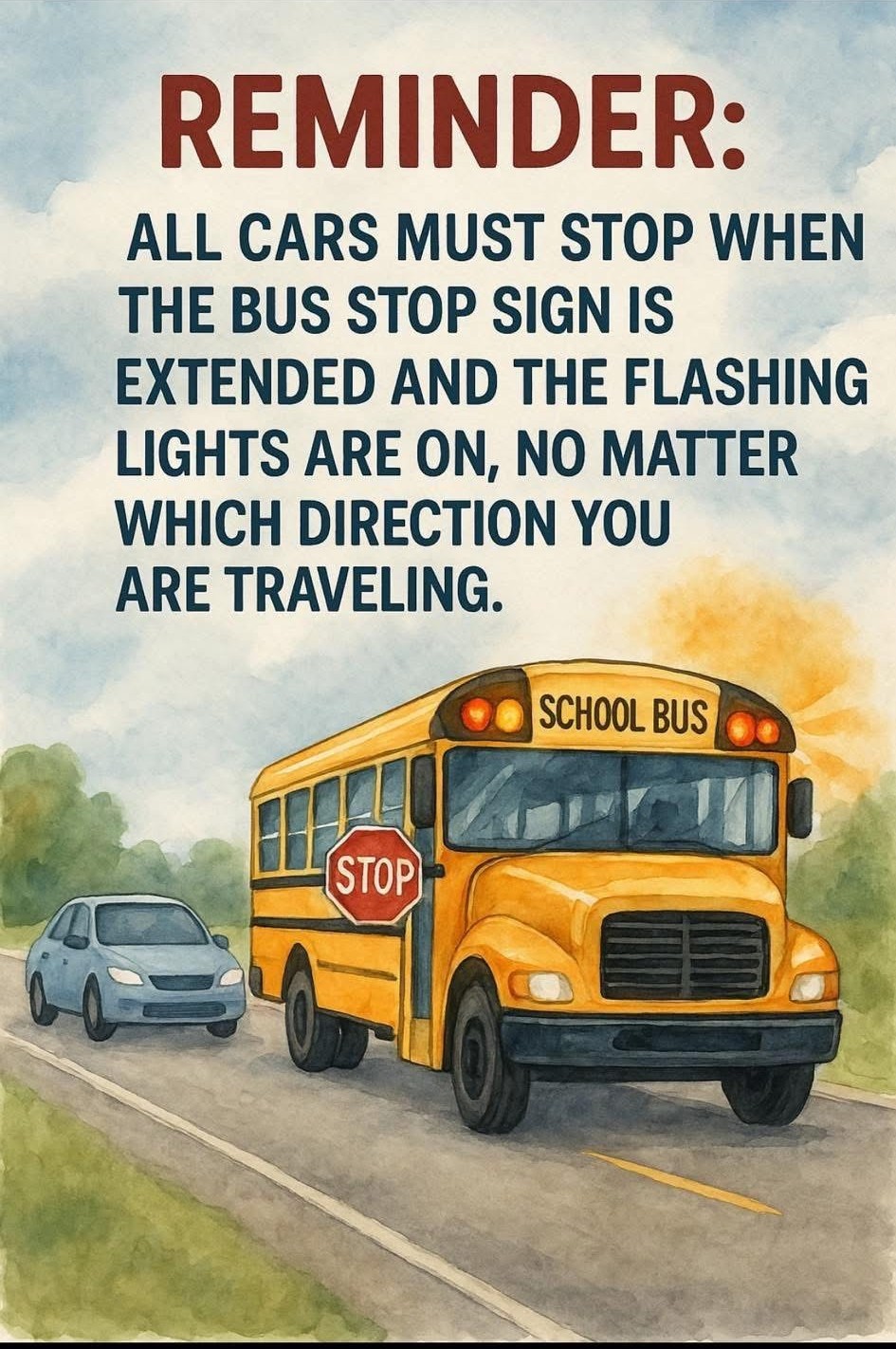
- Bus Riders: Teach kids to stand three big steps back from the curb while waiting and wait for the bus to stop completely before boarding. Make sure they can see the bus driver’s eyes before crossing in front.
- Car Drop-Offs: Obey school zone speed limits, avoid double parking, and eliminate phone distractions while behind the wheel.
Digital & Device Boundaries
- Parental Controls: Update privacy settings, restrict location-sharing, and review app permissions on all devices used for schoolwork.
- Clear Expectations: Set ground rules regarding screen-free homework time, social media usage, and not sharing personal details online.
Family Emergency & Communication Plan
- Essential Info: Ensure younger kids memorize your full name, home address, and primary phone number.
- Family Safe Word: Establish a unique code word to verify if someone else is authorized to pick them up.
- After-School Protocols: Outline clear steps for key usage, locking doors, and who to contact if they arrive home to an empty house.
Health & Wellness Essentials
- Medical Updates: Provide the school nurse with updated immunization records, emergency contact forms, and allergy action plans.
- Hygiene Habits: Reinforce proper handwashing techniques and encourage using the inside of an elbow to cover coughs and sneezes.
Return to school safety tips for college students: Heading off to college brings a whole new level of independence, but navigating campus life safely requires a mix of awareness, preparation, and practical habits. Whether you are living in a dorm or commuting off-campus, keeping safety top-of-mind ensures a smooth academic year.
Campus Transit & Night Navigation
- Use Campus Escorts & Shuttles: Take advantage of late-night campus safe-ride programs or walk-escort services rather than walking alone in the dark. (SafeCampus App) https://campus.und.edu/safety/emergencies/safecampus.html
- Stay Aware: Avoid walking with both earbuds in or looking down at your phone, especially late at night. Keep your eyes up and stay conscious of your surroundings.
- Stick to Well-Lit Paths: Stick strictly to main, well-lit campus pathways and avoid shortcuts through unlit parking lots or secluded alleyways.
Dorm & Living Space Security
- Lock Up Every Time: Always lock your dorm room or apartment door, even if you are just stepping down the hall to the restroom or kitchen.
- Control Access: Never prop open exterior doors to your residence hall or let strangers tail behind you into secure buildings.
- Protect Personal Belongings: Keep valuables out of plain view from ground-floor windows, and lock up expensive electronics, passports, and extra cash.
Party & Social Safety
- The Buddy System: Go out with a trusted group of friends and make a agreement to check in on each other and leave together.
- Monitor Your Drink: Never accept open drinks from strangers and keep your beverage in hand and in sight at all times to prevent tampering.
- Know Emergency Protocols: Save campus public safety and local emergency numbers directly into your phone’s speed dial.
Digital & Physical Health Awareness
- Secure Your Tech: Use strong, unique passwords for campus portals, enable two-factor authentication, and lock your laptop whenever you step away in the library.
- Stay Informed: Sign up for your university’s official emergency alert system to receive real-time SMS updates about campus hazards, weather alerts, or security threats.



Comments