LGBTQ+ Day-long Institute centers community and hope
Pride Center hosts 2nd UND LGBTQ+ Day-long Institute

On November 17, the UND Pride Center hosted a day-long institute focused on serving LGBTQ+ communities in higher education. The event included a day of learning from guest speakers and student panelist that shared their life experiences and expertise. The event, titled “Reimagining Community: Possibility Purpose, Belonging, and Joy,” explored the ways in which higher education professionals can better support and serve LGBTQ+ students in this current moment.
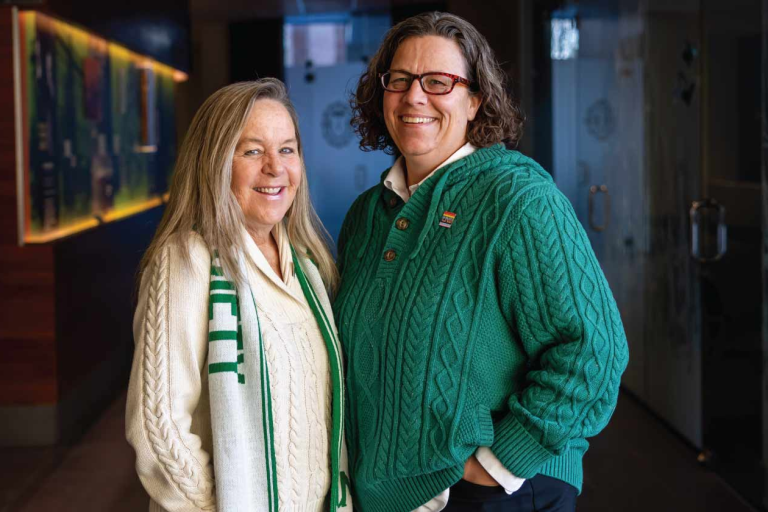
Director of the Pride Center, Dr. Jeff Maliskey organized the institute and expressed that he felt as the only institution of higher education in the state with a staffed gender and sexuality resource center that we had a commitment to share our knowledge with colleagues and across the state and region. “My hope for today is that we can learn and explore how we as individuals and as a community can unite and reimagine a community that strives to protect, serve, and advance LGBTQ+ programs and services; one where everyone can see they have a role to play in serving all of our students as this work benefits everyone,” Maliskey said in sharing his goals for the day.
Freedom Dreaming & Hope

Hope served as a guiding framework for Dr. Kristopher Oliveira’s presentation titled ‘We are the Ancestors Now: The History and Evidence for Queer and Trans Inclusion on Campus.” Oliveira, director of the LGBTQ+ Equity Center at the University of Maryland and co-editor of the forthcoming volume, Championing trans and Queer Inclusion Beyond the Campus Resource Center, engaged participants in a way to explore how hope can sustain the work of higher education professionals.
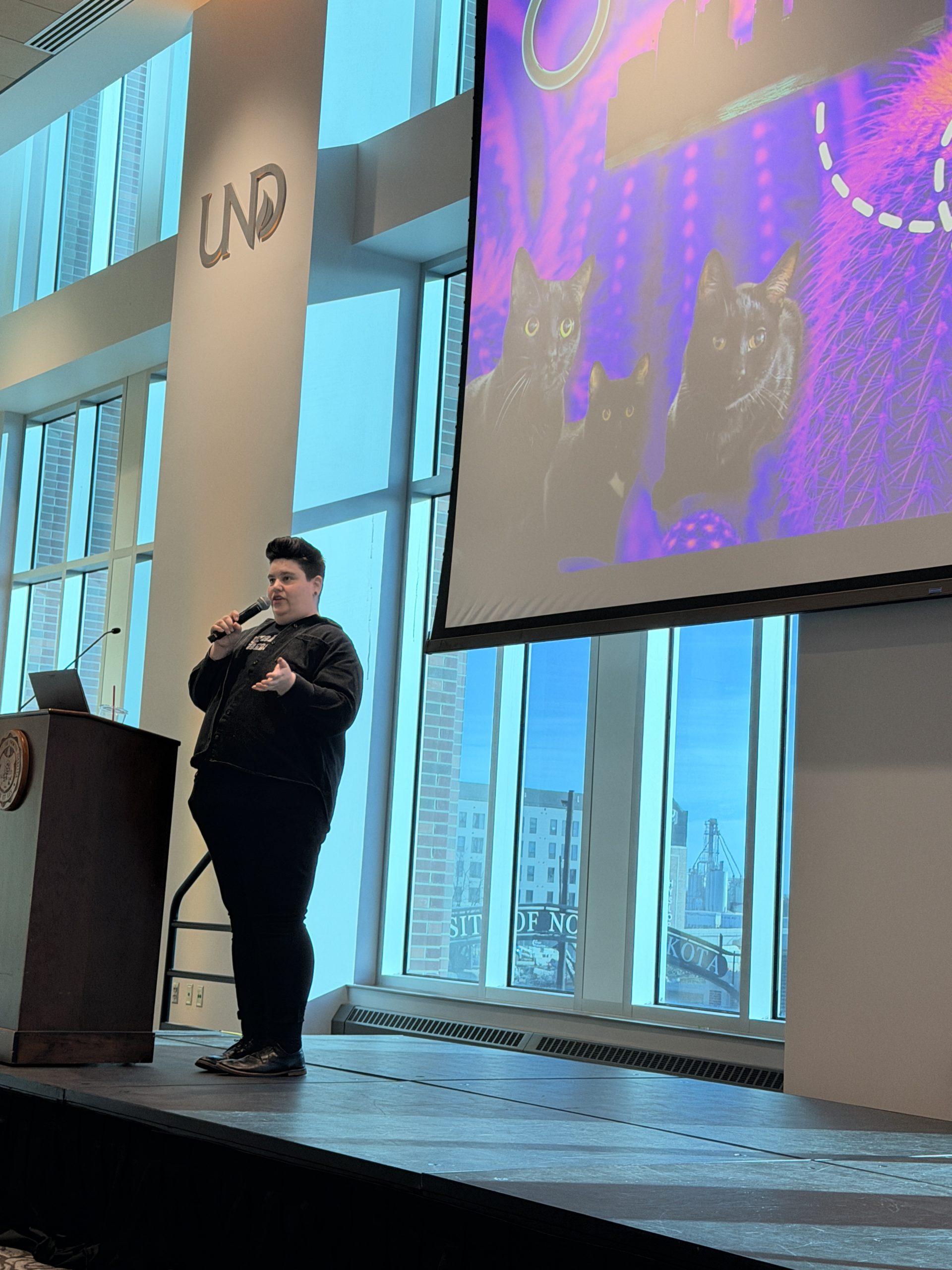
Oliveira challenged challenged participants to center strategies of resilience and and inclusion to imagine futures committed to fostering belonging. Reimaging was a key theme of the institute. Dr. Roman Christiaens, post doctoral fellow at the National Survey for Student Engagement at Indiana University creatively brought conversation on freedom dreaming through engagement with an interactive zine. A zine is a self-published, non-commercial booklet or pamphlet-style publication that includes text, images, and artwork that centers on a specific topic. Christiaens’ session focused on Transfeminist praxis and Queer rural belonging in higher education.

Through storytelling of growing up in rural Montana, Christiaens offered a vision of reimagining ways we can better support rural queer and trans students. One point she expressed was that we have a misconception of rural students in which we often believe they have less resources or access to experiences; Christiaens articulated that rural communities can become locations of creativity, resilience, and belonging.
R.B. Brooks, coordinator for sexuality and gender equity initiatives at the University of Minnesota Duluth offered insight to how third spaces offer opportunity for community building and knowledge sharing. They shared how spaces such as student conferences and think tanks allow for worldbuilding and strategizing and out of those spaces comes ideas, projects, innovation and and abundance of joy.
Each speaker session offered an opportunity on how reimagining community can open opportunity for creativity and thriving for LGBTQ+ communities in higher education.
Students Share Stories of Resilience
The lunch panel discussion, facilitated by Shaylah Anderson, UND Pride Center Support Services Assistant and doctoral candidate in the counseling psychology program, offered insight into the daily lives of students. Panelist, Nolan, commercial aviation and aviation safety; Thomas, forensic sciences/pre-med; RJ juris doctorate; Brogen, counseling psychology; and Manya, medical doctorate talked about their challenges and how community has helped shape their UND experience. A common theme shared among panelist was that despite the challenges, they authentically show-up and continue to advocate not just for themselves but for the community to make impactful change for future students.
When asked what they would want faculty and staff to know or what resources the wish they had; the panelist collectively agreed that they want faculty and staff to take more initiative in engagement LGBTQ+ related events, educational opportunities, and promoting ways to get involved in the Pride Center. They shared how having the Pride Center is a great resource and space on campus but they would like to see more support across campus through academic programs and support service units. If there was one theme that was consistent throughout the day, it would be that as a community, we can achieve so much more.