‘Entertain or die:’ Liquid Death CEO talks effective brand building at UND
Speech kicks off inaugural Middleton Entrepreneurship Symposium at Nistler College of Business & Public Administration
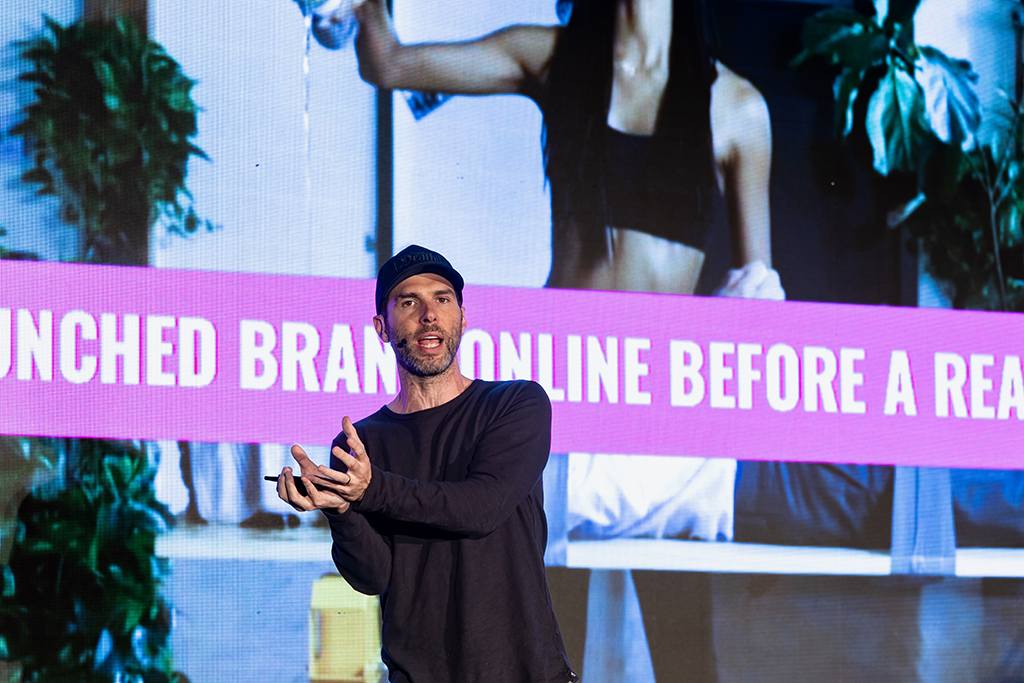
Earlier this week, students, faculty and staff gathered for the Nistler College of Business & Public Administration’s inaugural Middleton Entrepreneurship Symposium to gain insight from an entrepreneur who has built a billion-dollar-plus brand from humble beginnings.
The symposium honors UND alumni Tom and Konnie Middleton. The couple’s philanthropy established the Middleton School of Entrepreneurship & Management – the first named school within the Nistler College.
Mike Cessario, CEO of the company Liquid Death, delivered the symposium’s address titled, “Entertain or Die: Because Boring Brands Die Quiet Deaths.” The talk chronicled the rise of the beverage company known for its provocative tagline, “Murder your thirst.” The company was recently valued at $1.4 billion and was named to Time Magazine’s Next list in 2024.
Although Cessario called Liquid Death’s initial product offering of canned still water “the healthiest thing you can drink,” he took cues from marketers of products considered unhealthy to develop an effective advertising strategy for his company.
“What I noticed is that all the funniest, coolest marketing was always for brands that are not good for you,” he said. “Junk food, candy, alcohol – that has all the cool marketing. Whereas healthy things are typically marketed in an unfunny, quiet way. I wanted to make a healthy beverage company, and market like we were an alcohol or junk food company.”
After conducting some market research, Cessario discovered that the global bottled water industry was worth north of $22 billion – more than carbonated soft drinks. Additionally, consumers and policymakers were expressing concerns about the environmental impact of single-use plastic bottles, prompting Liquid Death to launch its first product in 2019, in a 19.2-ounce “tall boy” aluminum can.
The can’s design – similar to well-known beer brands – lends itself well to the company’s branding.
“Anytime you’re drinking a tall-boy, you’re probably doing something fun,” Cessario joked. “It’s like a natural, Pavlovian response.”
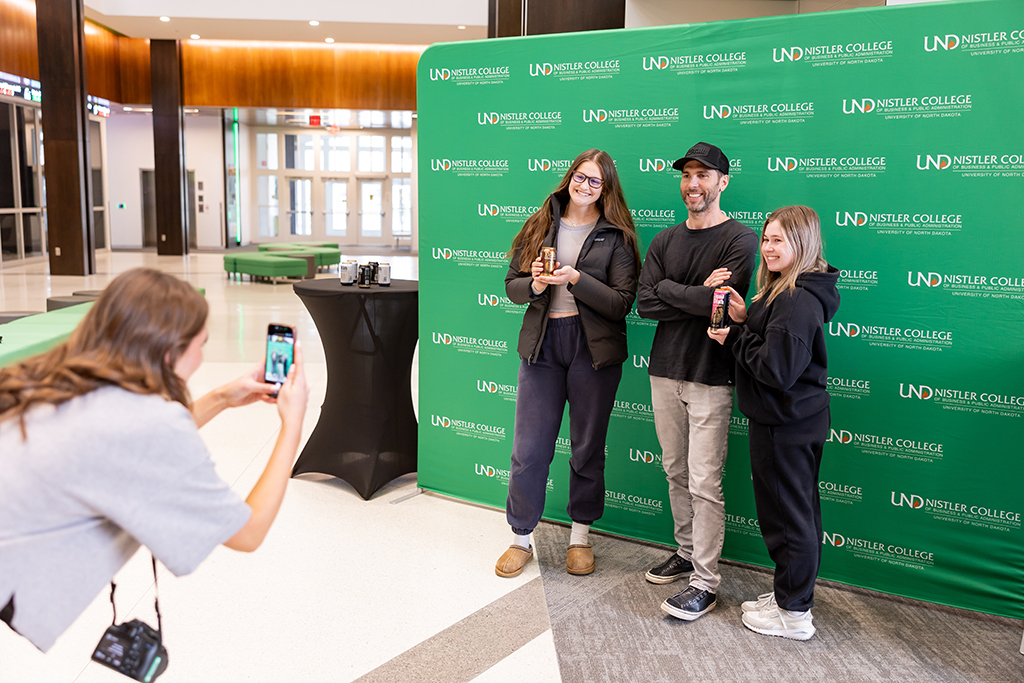
Liquid Death’s launch, however, faced major hurdles – both financial and logistical.
“Separating an investor from their money is a really hard thing to do,” Cessario said. “If you can imagine the idea of Liquid Death in 2017 – putting spring water in tall-boy cans that look like beer, call it Liquid Death and put a skull on the can – nobody is writing me a check for that idea.”
“When you start a new brand, you don’t have money for marketing or media,” he continued. “Your only shot at growing awareness as fast as you need is the product itself has to be super shareable and interesting.”
Finding a beverage distributor for Liquid Death proved an even more vexing problem, due to the industry’s capital-intensive nature.
“It’s not like a protein bar that in theory, you could make in your kitchen, hand-wrap and sell at your local farmer’s market,” Cessario said. “The minimum run of aluminum cans is 250,000 cans. Which will cost you close to $250,000 to fill, ship, get into a warehouse and package.
“Believe it or not, canned water is the hardest thing you could produce,” he added. “At the time, there was not a single co-packer or bottler in North America who could put non-carbonated spring water in cans. Because it’s too expensive to try to tanker-truck water from a spring source to some canning facility far away; you have to do it at the source.”
Cessario turned his search to Europe, where he found a company located near mineral water sources in Austria willing to can his product. After this initial success, Liquid Death expanded into the flavored sparkling water and iced tea markets, using entertaining social media ad campaigns featuring celebrities.
Indeed, Cessario added, Liquid Death’s strategy is to act as “an entertainment company that monetizes via beverages.” Using social media and other non-traditional marketing spheres is essential for reaching modern consumers, Cessario said, as engagement with traditional mediums of advertising – such as TV commercials – is declining steadily.
“If you can entertain people and not have it feel like marketing, people have a reason to follow you,” he said. “Nobody wants to follow marketing, because 98% of people – probably even higher than that – hate being marketed to.”
Other tips in marketing and branding from Cessario
- Small bets help find the big wins: For small start-ups, capital is a precious resource. Every dollar spent on marketing needs to get a significant return on investment in media exposure.
- There is value in building a niche brand: According to Cessario, “I would rather have 1,000 people who want to tattoo my brand on their body,” than 100,000 disinterested followers.
- Treat marketing like a product worth paying for: While developing a quality product is important, reaching your audience of customers is paramount.