UND in the Conversation: Data centers make heat all year long – here’s how the ground can hold onto it until winter
Moones Alamooti, Assistant Professor of Energy and Petroleum Engineering at the University of North Dakota, explains in The Conversation how data centers generate waste heat year-round, and by storing that heat underground during warmer months, communities could reuse it in winter for heating buildings, reducing energy waste and reliance on fossil fuels.
Editor’s note: The following article is written by Moones Alamooti and is an excerpt of the original article published by The Conversation. You can read the full article in its original format on their website.

You have probably noticed it on a hot summer day: A basement feels cool even when the air outside is baking. The ground does not heat up and cool down as fast as the air does. A few hundred feet down, it stays close to the local yearly average all year, which can be around 50 degrees Fahrenheit (10 Celsius).
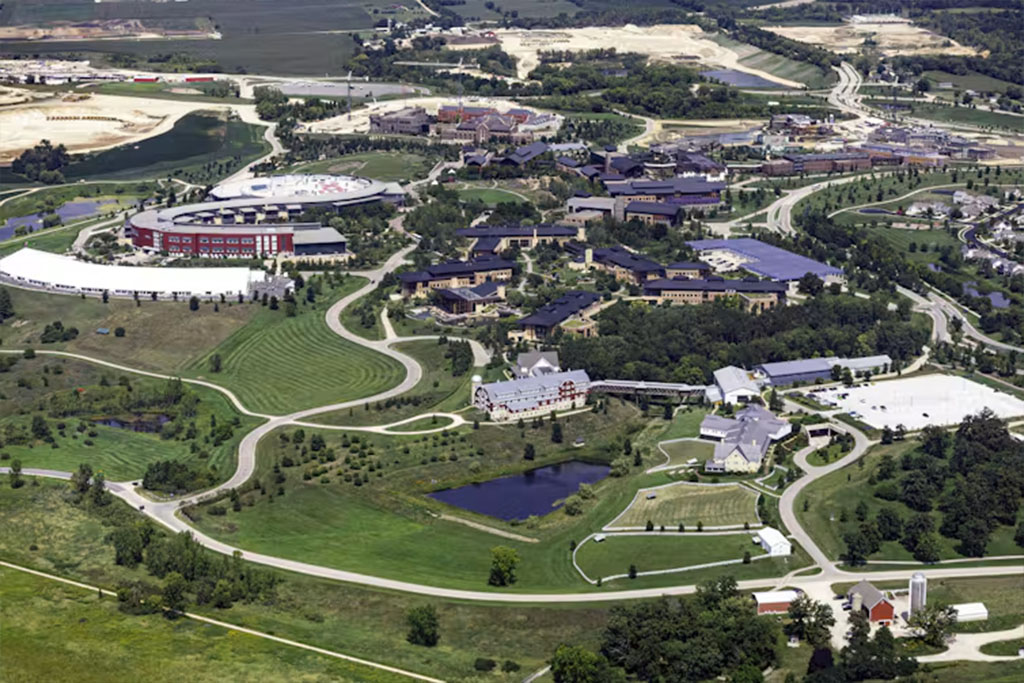
In Verona, Wisconsin, the health software company Epic Systems has spent two decades turning that fact into infrastructure. It has drilled roughly 6,100 wells, 300 to 800 feet (90 to 240 meters) deep, that now heat and cool about 40 buildings on its own campus by using the waste heat from a 3.5-megawatt data center.
What makes this setup unusual is not that Epic pulls heat out of the ground in winter – ordinary ground-source heat pumps do that in homes across the country. What’s uncommon is that Epic puts heat into the ground in summer and takes it back out months later.
That matters more than it sounds because timing is what usually kills the idea of reusing a data center’s heat. Servers make heat every hour of the year. In most of the U.S., buildings need to be heated for only about four months. Piping it straight to nearby buildings works beautifully in February, but solves nothing in July. Storage is the missing piece.