Food as Medicine: A Renewed Focus for Nutrition & Dietetics at UND
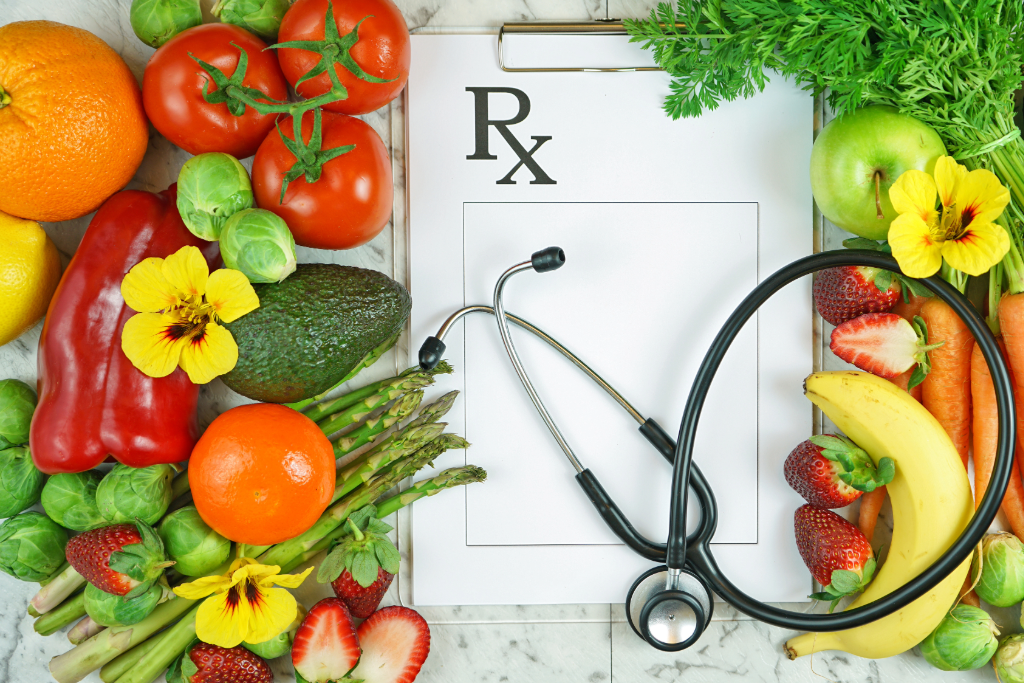
The Department of Nutrition & Dietetics at the University of North Dakota is excited to announce Food as Medicine as its new area of focus. This approach emphasizes the role of nutrition in preventing chronic disease, supporting recovery, and promoting overall health. By integrating Food as Medicine into the curriculum, research, and community partnerships, the department is preparing future professionals to make a meaningful impact on health and well-being. The department offers undergraduate degrees in Human Nutrition, a Coordinated Program (BS + MS) in Dietetics, a Master’s in Nutrition, and a Nutrition Minor.
What is “Food as Medicine”?
The concept of “Food as Medicine” is gaining momentum beyond the nutrition profession. Media promotion and legislative support are influencing the landscape of nutrition’s role in health, and how it can be used to prevent chronic illness, and how food can be used for disease treatment. It is exciting to see the nutrition profession being recognized for its role in the prevention and treatment of chronic diseases in a new light. This emphasizes the need for highly qualified nutrition and dietetics professionals to impact our nation’s health. Food as Medicine is a broad approach that focuses on whole foods, nutrition education, community partnerships, accessibility, and policy.
Curriculum and Student Learning
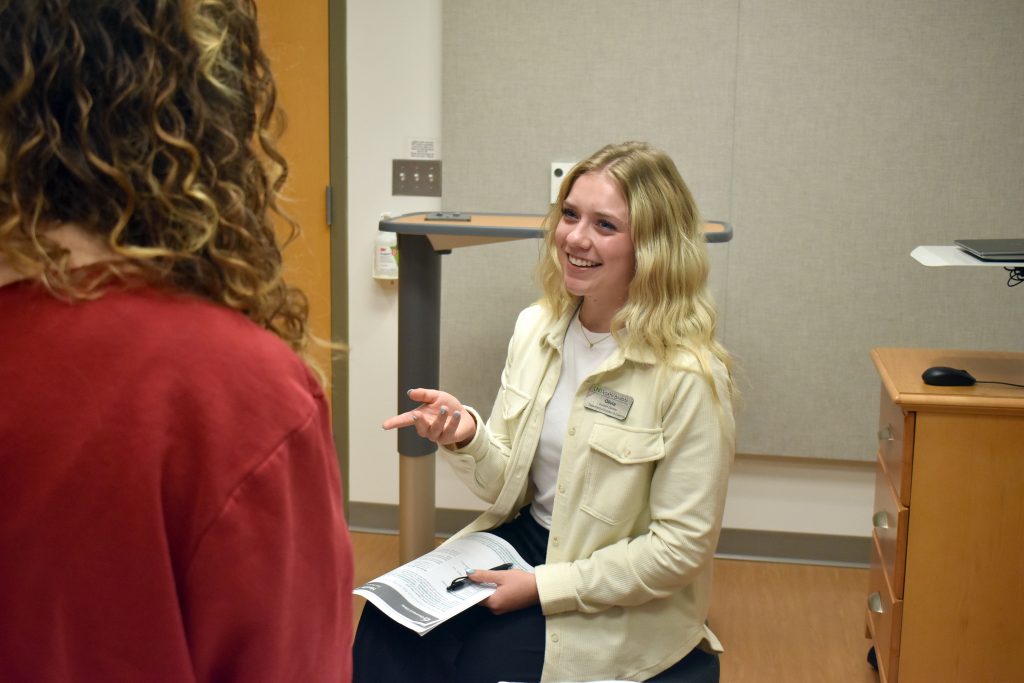
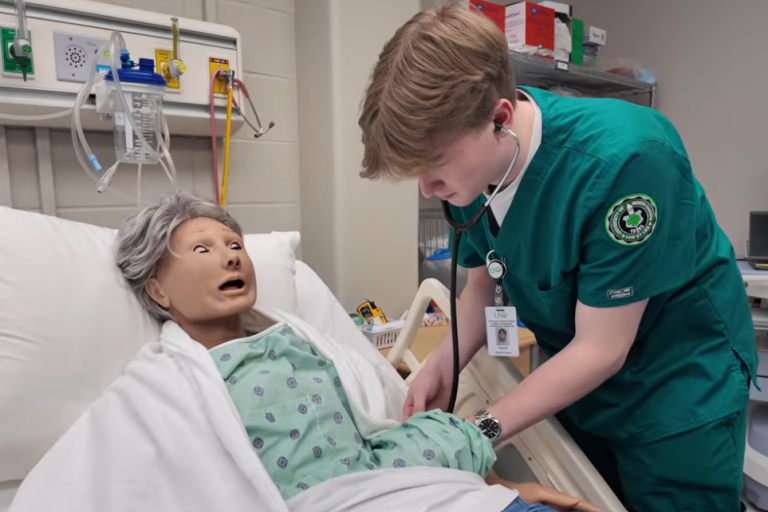
Shifting the department focus to Food as Medicine is a natural fit, as the Department of Nutrition and Dietetics at the University of North Dakota already has the core concepts of Food as Medicine built into its undergraduate and graduate curriculum. Courses like Community Nutrition, Nutrition Education and Counseling, Nutrition Education and Program Planning, Food as Medicine, and Integrative and Functional Nutrition build on the essential elements of this new department’s focus. Additionally, the department has established community partners and preceptors who support learning opportunities in areas such as Public Health, WIC, HeadStart, school systems, healthcare, and long-term care facilities. The faculty in our department have expertise in areas of food insecurity, culinary nutrition, and health promotion.
From Hippocrates to Today
Food as Medicine has a long history, and its origins are often traced back to Hippocrates, who said, “Let food be thy medicine.” Chronic illnesses are increasing globally along with healthcare expenses, and in response to these trends, an approach with sustainable roots (yes, pun intended) is gaining momentum in Food as Medicine. There are myriad reasons to encourage food in the healthcare equation. One part of the calling to use food as medicine is that everyone needs food and nutrients for survival. In this regard, food, an essential condition for survival, can also be used to extend life. It is within this idea that the cost of choosing food as treatment over medicine could drastically reduce healthcare costs and lead to improvements across multiple health conditions.
A Vision for the Future
While Food as Medicine is not a new concept, global developments are making this theme a household name. In 2022, the White House created the Hunger, Nutrition, and Health in America initiative with the objective of ending food insecurity and a commitment to provide $8 million toward Food is Medicine research and medical food access. Many other health organizations have latched on to the benefits of food as medicine and are embracing its unique aspects, including produce prescriptions and medically tailored meals.
With the culmination of these developments, the N&D department felt that our current research and curriculum align closely with Food as Medicine, and is excited to further weave these concepts throughout its activities. The Department of Nutrition & Dietetics is looking forward to exploring how to integrate these ideas across disciplines and departments at UND.
Comments
Comments are closed.