February Wellness Spotlight
February: American Heart Month
February is American Heart Month, a time to bring awareness to cardiovascular disease, the leading cause of death in the U.S., and to encourage healthier eating and exercise habits. According to the CDC, heart disease is very common: “In the United States, heart disease is the leading cause of death for men, women, and people of most racial and ethnic groups. In 2022, 1 in every 5 deaths in the United States was caused by heart disease.” Additionally, nearly half of U.S. adults have high blood pressure, which increases the risk for heart disease and stroke. As we begin February, keep in mind the best ways to prevent heart disease, according to the American Red Cross: know your risk, eat a healthy diet, be physically active, watch your weight, and check your blood pressure and cholesterol.
American Heart Month History:
American Heart Month was established by President Lyndon B. Johnson in December 1963. President Johnson urged “The people of the United States to give heed to the nationwide problem of the heart and blood-vessel diseases, and to support the programs required to bring about its solution.” Shortly after the launch of American Heart Month, the first Surgeon General’s Report on Smoking and Health was published, which was the first government report to link smoking and negative health impacts. Today, American Heart Month brings together many organizations to illustrate how much we have improved since 1964, but also bring awareness to the work that needs to continue.
Why Heart Health Matters:
- Heart disease affects millions of Americans each year
- High blood pressure and high cholesterol often have no symptoms but significantly increase the risk of heart attack and stroke
- Healthy habits, such as exercise and eating well, can reduce cardiovascular risk at any age
Ways to Support Your Heart:
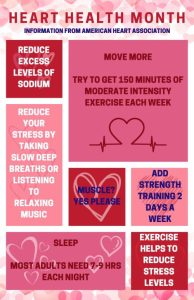
- 30-60 minutes of moderate physical activity most days of the week
- Eat a variety of healthy foods, especially fruits and vegetables
- Cut down on salt
- Don’t smoke
- Maintain a healthy weight
- Get at least 7 hours of sleep each night
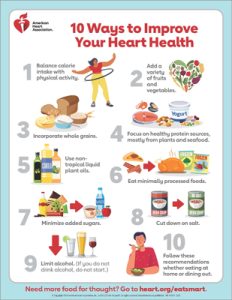
February is a reminder that heart health is determined by our daily actions, mainly through exercise, eating, and sleeping. Small, yet consistent daily habits such as taking the stairs instead of the elevator, or prioritizing an extra hour of sleep at night can all help reduce the risk of heart disease, even though it may seem like a small task. Taking time to monitor your health and take care of your heart supports both your physical and mental health. Ultimately, making time for heart health will lead to a healthier future.
References
American Heart Month Communications Toolkit