March Wellness Spotlight
March: National Brain Injury Awareness Month
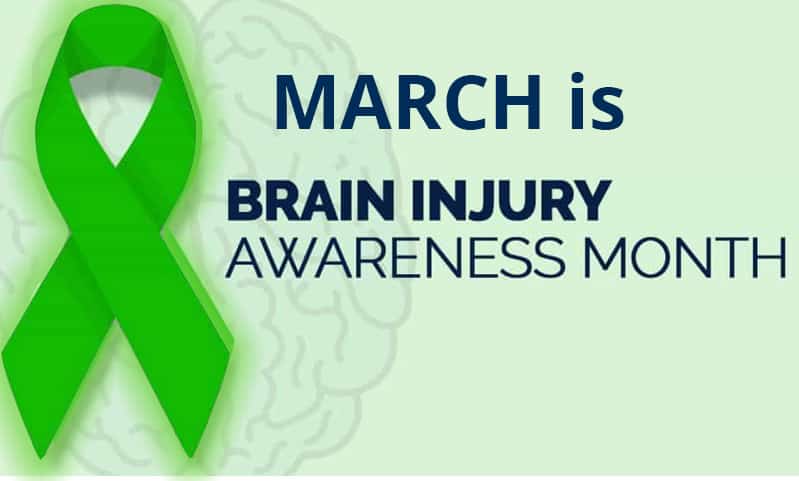
March is recognized as National Brain Injury Awareness Month to bring awareness to brain health and injury prevention. Brain injuries can have a lasting impact on people for their entire lives, if not properly treated/prevented. According to the CDC, there are over 69,000 Traumatic Brain Injury (TBI) related deaths in the United States each year. Additionally, anyone can experience a TBI and have long-term health problems after the injury. Brain injuries can result from falls, vehicle accidents, sports injuries, or workplace injuries. Brain injuries may seem mild initially, but they can have many long-term impacts.
National Brain Injury Awareness Month was established to encourage prevention and education for those with brain injuries. The goal is to educate the public on the causes and effects of brain injuries, and offer support for research, treatment, and prevention. Increased awareness helps people understand the warning signs of brain injuries early, so that they can seek medical care. Prevention is one of the best ways to ensure a healthy brain.
Why Brain Health is Important:
- Brain injuries can affect memory and concentration
- Even mild concussions are a form of brain injury and should be taken seriously
- Many brain injuries are preventable through safety awareness
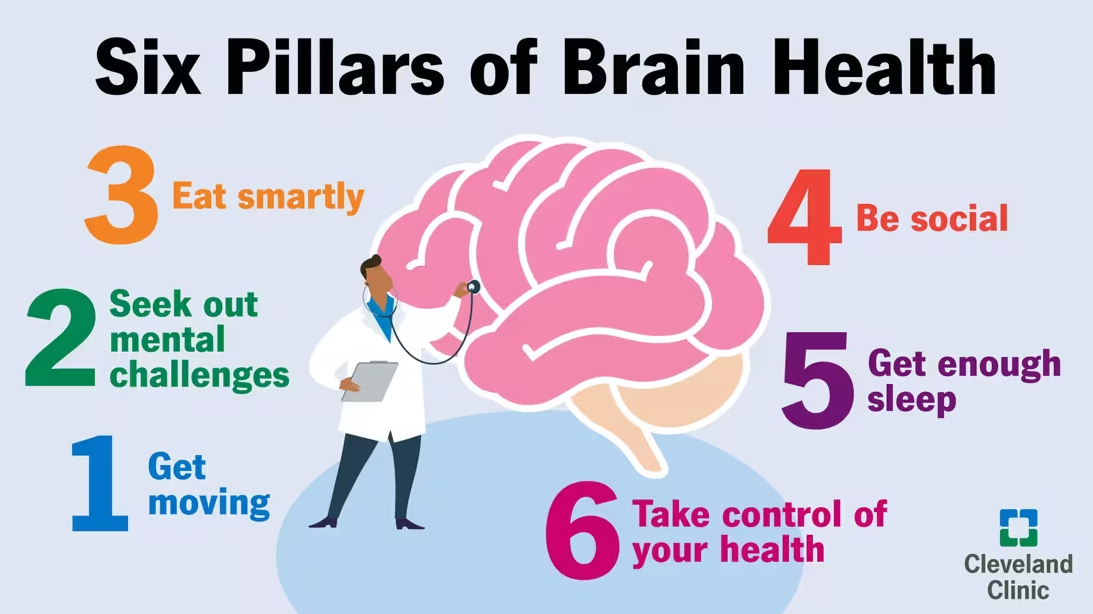
The “Six Pillars of Brain Health,” according to the Cleveland Clinic:
- Get moving
- Seek out mental challenges
- Eat smartly
- Be social
- Get enough sleep
- Take control of your health
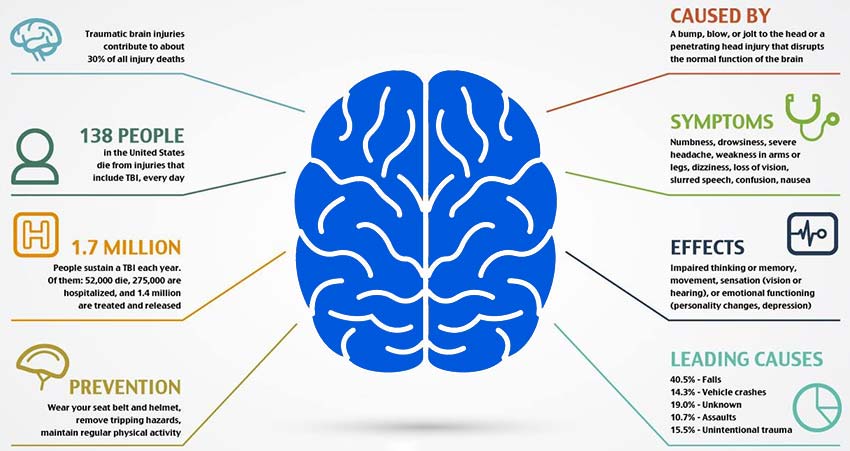
Ways to Protect your Brain from Injuries:
- Always wear seatbelts and helmets when driving, biking, or participating in sports
- Keep walkways clear to prevent falls
- Get plenty of sleep and manage stress properly
- Seek medical attention if you experience headaches, dizziness, or confusion after a head injury
Brain health plays a critical role in how we think each day. Small tasks, like wearing a helmet or being extra cautious with hazards, can help prevent serious injuries that can affect your daily life. It is important to stay up to date with wellness standards and prioritize safety to ensure a healthier community for all.