October Wellness Spotlight
October: Building Healthy Money Habits
Small Steps Toward a Stronger Financial Future
Financial wellbeing is an important part of overall wellness. Money has a large impact on many areas of daily life. It is important to be fully educated about healthy spending habits, future expenses, and how to stay on top of loan payments. Financial concerns can affect lives in terms of relationships, work performance, and future planning abilities. It is important to start now to build a safe financial future.
Financial wellness includes being in control of daily finances, being able to move on from financial shock, and making strong progress towards paying off debt. Staying ahead of your finances will allow for financial freedom and reduced stress. Financial wellbeing is very different for everyone. It is entirely based on your income, expenses, and responsibilities. The most important part is figuring out what works best for your situation.

Why Financial Wellbeing Matters
- Financial stress can affect mental and physical health
- Strong money management skills lead to financial security
- Setting financial goals can help with the burden of large expenses
- Healthy money habits now can provide future success
Building a Budget
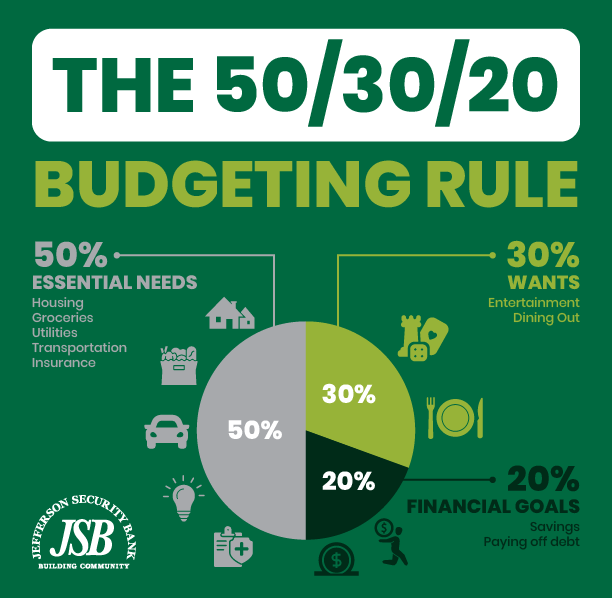
Having a detailed budget is one of the most important aspects of financial wellbeing. A budget allows you to see how much money is coming in, and where it is being allocated to. The best way to start a strong budget is by identifying your monthly income and necessary expenses, such as housing, groceries, transportation, and debt payments. Once these aspects are identified, you can then review flexible items, such as shopping and dining out. Your budget should be realistic enough so that you can follow it consistently.
Tips for Improving Financial Wellbeing
- Track you spending to understand where your money is going
- Create a realistic monthly budget
- Review recurring expenses regularly
- Compare prices before making larger purchases
Save with a Purpose
Saving becomes easier when it involves goal setting. It can help to create separate goals for things such as emergencies, travel, education, or a home. Automatic transfers can be very useful when saving money. They can automatically save your money for you before you have the chance to spend it.
Think About your Financial Future
Financial wellbeing is not only about managing your daily expenses. Long term planning can include paying down debt, saving money, improving your credit, and preparing for retirement. Learning about how to spend money responsibly now will positively impact your future goals. Your income and financial responsibilities can change, so it is crucial to make smart investments now to help prepare you for future success.

References
Consumer.gov – Making a Budget