September Wellness Spotlight
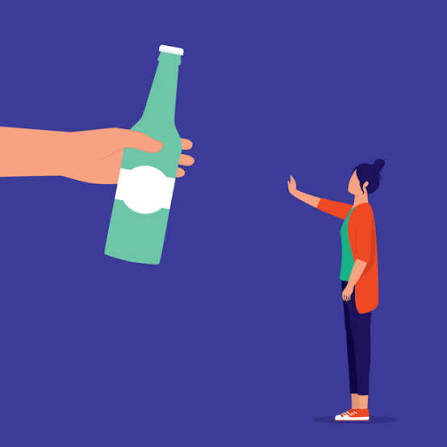
September: Substance Use
Substance use can be a hard topic to broach, but it is an important part of overall health and well-being. Substances such as alcohol, tobacco, nicotine, cannabis, and other drugs can affect physical health, mental well-being, relationships, and our ability to function safely at work and at home. Substance use can affect anyone, and recognizing the importance of prevention and early support can make a difference.
Understanding Substance Use
Substance use exists on a spectrum. Some people may use substances occasionally, while others may find that their use begins to interfere with daily life. Substance use disorder is a health condition that can make it difficult for a person to control or stop using a substance, even when it is causing negative consequences. It is not simply a matter of willpower. Substance Abuse and Mental Health Services Administration (SAMHSA) describes substance use disorder as a complex health condition, and people experiencing it can benefit from treatment and recovery support.
Substance use can also affect the workplace. It may contribute to difficulties with concentration, decision-making, attendance, relationships, and safety. At the same time, the workplace can be an important place to promote prevention, reduce stigma, and connect people with resources.
Talking about substance use can sometimes bring feelings of shame, embarrassment, or judgment. These feelings can make it harder for someone to acknowledge that they need help or feel comfortable reaching out for support. Reducing stigma starts with recognizing that substance use disorders are health conditions and not a reflection of someone’s character, intelligence, or worth. Substance use disorder is treatable, and recovery is possible.
Small Steps Can Support Prevention
Prevention does not have to be complicated. Consider these strategies:
- Know your reasons. Think about how substance use fits into your overall health goals and whether it supports the life you want to live.
- Find healthy ways to manage stress. Physical activity, hobbies, time outdoors, adequate sleep, and connecting with others can provide healthier outlets for stress.
- Be mindful of medications. Take prescription medications only as directed and talk with your health care provider or pharmacist if you have questions about their use.
- Create healthy social habits. Consider alcohol-free activities and social events where drinking or other substance use isn’t the focus.
- Pay attention to changes. Changes in sleep, mood, relationships, work performance, or the amount or frequency of substance use may be signs that additional support could be helpful.
- Reach out early. You don’t have to wait until substance use becomes a crisis to ask for help. Early intervention can help people better understand their use and connect with appropriate resources.
Support Is Part of Wellness
One of the most important things we can do is replace judgment with support. Substance use disorders are health conditions, and recovery is possible. Treatment can include counseling, behavioral therapies, medications, peer support, or a combination of approaches depending on a person’s needs.
If you are concerned about your own substance use, consider talking with a health care provider, counselor, or someone you trust. If you are concerned about a coworker, friend, or family member, offering a listening ear and encouraging them to seek support can be a meaningful first step.
Resources
Grand Forks Opioid Response https://www.grandforksgov.com/government/city-departments/public-health/opiate-response
Substance Abuse and Mental Health Services Administration (SAMHSA) National Helpline: 1-800-662-HELP (4357) https://www.samhsa.gov/find-help/helplines/national-helpline
For additional support, consider your organization’s Employee Assistance Program (EAP) or other workplace wellness resources. https://campus.und.edu/human-resources/employees/benefits/eap.html