For UND law students, study abroad offers intercultural competence, expanded worldview, personal growth
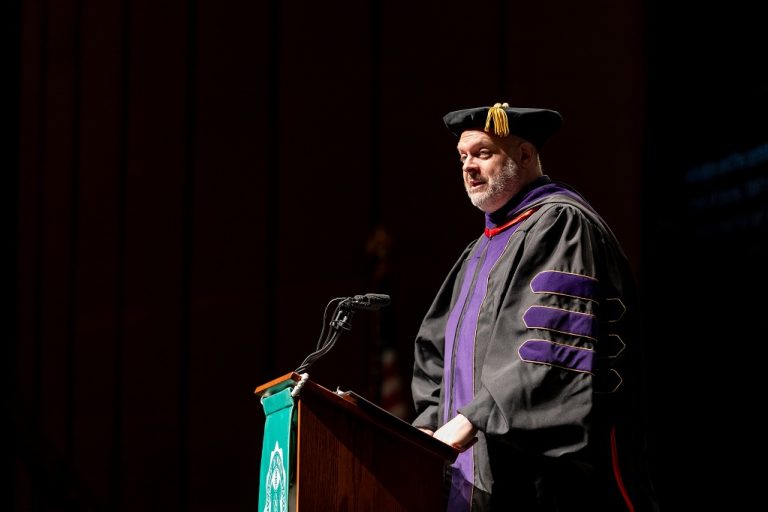
In an interconnected world, with roles mobilizing and the world getting smaller, having intercultural, international competence is important for the modern day profession, said Blake Klinkner.
By Delaney Otto
GRAND FORKS — In an interconnected world, with roles mobilizing and the world getting smaller, having intercultural, international competence is important for the modern-day professional and workplace, said Blake Klinkner.
An assistant professor at the University of North Dakota School of Law, Klinkner said it is especially important for the law profession.
“We need North Dakota lawyers who can represent international businesses wanting to do business here,” he said. “At the same time, you have a lot of North Dakota businesses and businesses from this whole region that could use competent attorneys to do business overseas.”
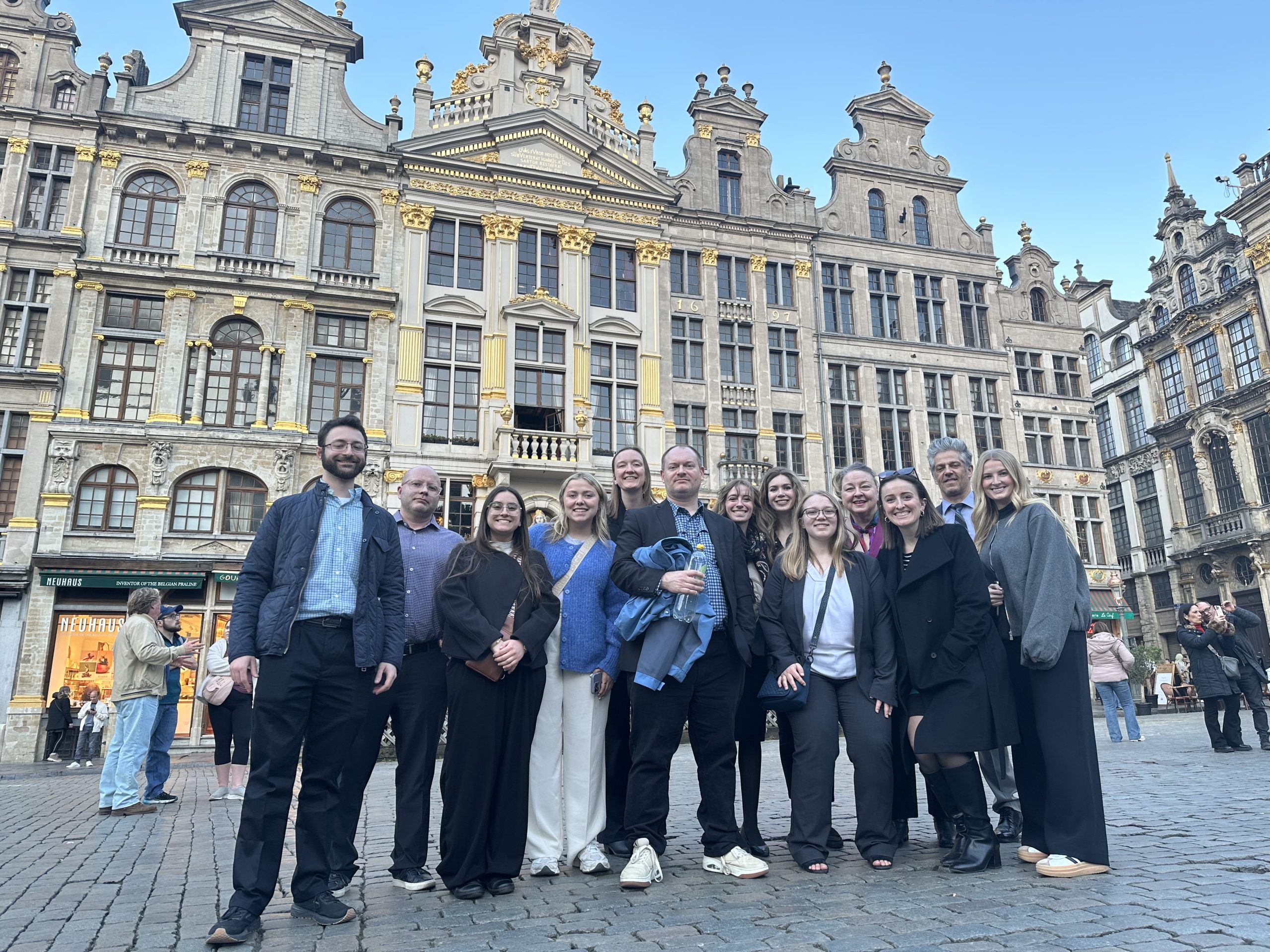
He and Kimberly Ann Dasse, a fellow assistant professor, took 12 students to Belgium and the Netherlands over spring break as part of the International Organizations and Institutions class, which looks at how international institutions and organizations work and interact. The group spent several days in The Hague, the legal center and administrative capital of the Netherlands. It’s just one of the multitude of study abroad opportunities at the university.
Both Dasse and Klinkner have done other study abroad programs, too — Dasse, who has lived in Asia, took nine students to Japan last year, and Klinkner, who speaks German, takes students from the German Department to Germany and Austria in the summer.
Dasse said the chance to go abroad helps expand students’ worldviews. During the group’s time in The Hague, students heard different political views from the walking tour guide, as well as read the Dutch Constitution and noted its differences to the U.S. Constitution.
“It was good for the students to be challenged like that,” she said. “I want our students to think broad.”
UND has study abroad opportunities lasting the academic year, a semester, the summer and over spring break. Allison Johansen, a study abroad specialist at the university, said she is trying to build more short-term programs. There are programs focused on research, volunteering, teaching and interning. Some programs are run by faculty, others are done in partnership with other universities and some are managed through providers, who work “on the ground” to support students during their trips.
Out of the destinations available, Johansen said the most popular is Italy, especially Florence. Others include Barcelona, Ireland, Australia, South Korea, Japan and Norway.
There are so many destinations, UND has had to pull back on its offerings.
“We actually reduced the amount of programs that we offered a couple of years ago, just because it was so much for students to choose from,” she said.
Johansen’s office is planning its own spring break program. The office will be taking a small group of students to Lisbon, the capital of Portugal, to focus on travel skills and career readiness. The program will touch on the culture and history of Portugal, as well as students’ first-time travel experience and how to leverage the skills they’ve gained abroad for employers.
A benefit of studying abroad is that it makes students stand out when applying for jobs, Johansen said. She also often sees students in the pre-departure phase having anxieties about what might happen, but they come back from the trip with increased self-assurance and growth. It’s one of her favorite things.
“They are so nonchalant about all these amazing experiences they had, and then when you compare it side by side with all the ‘what if’ questions that they had in the beginning, and how much they have personally grown — whether they realized it or not, they have this confidence and they have this global awareness,” she said. “There’s just so much personal growth that I see that they have gained, and I hope they realize that in themselves, too. … There are a lot of things professionally, personally, academically that they can experience when they go abroad.”
One law student who went on Dasse and Klinkney’s trip, Leonidas Georgiou, said he’ll cherish the experience. The group looked into the region’s history and culture, as well as visited transnational institutions and discussed the state of international law. He said the group talked about the possibilities and limits of international institutions, the challenges and opportunities of international litigation and how to improve the institutions and processes.
“These are not abstract and complicated matters,” he said. “They concern the well-being of every human being, at home and abroad.”
Costs for study abroad programs vary, but there are scholarships available for students specifically to help pay for expenses. Dasse said she and Klinkney would like to develop one for law students.