February Wellness Spotlight
 Happy Heart, Happy Life
Keep Your Heart Happy and Healthy!

Heart health is fundamental to overall well-being, as the heart is responsible for pumping blood, oxygen, and nutrients throughout the body. A healthy heart ensures that all organs and tissues function properly, and it plays a vital role in maintaining energy, vitality, and longevity. However, heart disease remains one of the leading causes of death worldwide, and many people may unknowingly have risk factors that put their heart health in danger. Assessing whether your heart is healthy involves looking at lifestyle habits such as, diet, exercise, and understanding your family medical history. Taking the time to evaluate your heart health is crucial, as small changes today can have a significant impact on your future well-being. This Spotlight is celebrating Heart Health Month with heart health facts and how you can assess your own heart health and what you can do to maintain or improve your heart health.
Pump Up Your Heart
Your heart beats over 100,000 times a day—yet many of us don’t stop to consider whether we’re taking good care of it. As the engine that powers your entire body, maintaining heart health is one of the most important steps you can take toward living a long, healthy, and fulfilling life.
According to the World Health Organization (WHO), cardiovascular diseases (CVDs) are the leading cause of death globally, accounting for approximately 32% of all deaths each year. In 2019 alone, around 17.9 million people died from CVDs, with heart disease being the most common cause. Heart disease is the leading cause of death for men, women, and people of most racial and ethnic groups. In fact, one person dies every 34 seconds from cardiovascular disease in the United States. Heart disease costs from 2019 to 2020 totaled about $252.2 billion. This included the cost of health care services, medicines, and lost productivity due to death.
In 2021, the age-adjusted death rate of heart disease was 152.8 per 100,000 North Dakota residents, which is 12.08% lower than the overall heart disease death rate in the United States.
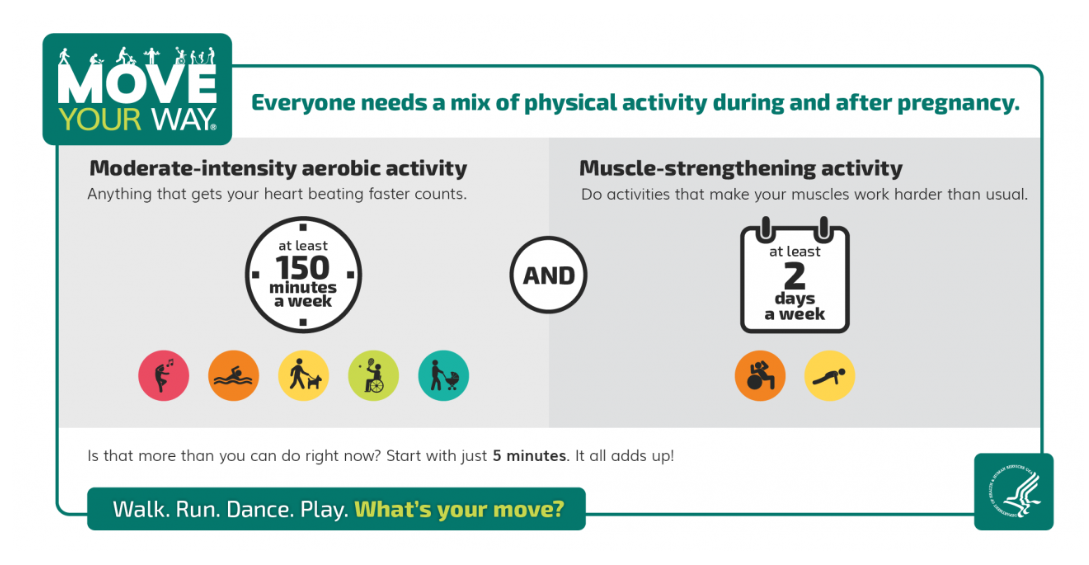
Physical activity is another key determinant of heart health. Studies published in the Journal of the American College of Cardiology have found that even moderate exercise, such as brisk walking or cycling for 150 minutes per week, can significantly lower the risk of heart disease. Exercise improves circulation, reduces inflammation, lowers blood pressure, and helps control weight, all of which are essential for maintaining a healthy heart. Regular physical activity has been shown to reduce the risk of heart attack and stroke by up to 30-40%.
Healthy Heart Habits
The term ‘heart health’ refers to understanding your risk, making healthy choices, and taking steps to reduce your chances of getting heart disease such as coronary heart disease (CHD).
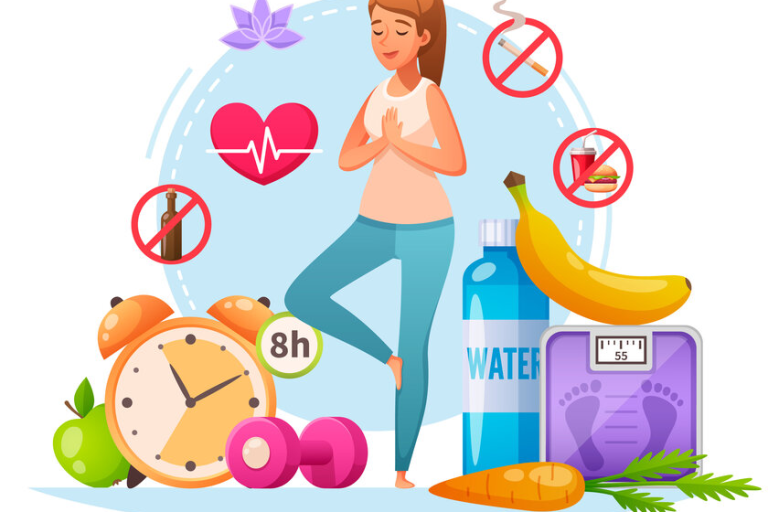
Promoting a healthy heart involves adopting lifestyle habits that support cardiovascular function and reduce the risk of disease. Here are some strategies that you could implement into your day-to-day life:
- Try a new recipe weekly (ask friends and family to share their favorite heart-healthy recipe with you)
- Commit to a walking schedule (with a friend or family member, even if you can’t walk together)
- Manage your stress (download a meditation app or try a yoga class)
- Start indulging in different eating and drinking habits, such as, drinking more tea, limiting salt intake, and eating more foods like fish and nuts; foods that include more Vitamin E (which blocks the build-up plaque in arteries)
- Avoid smoking (smoking can increase plaque in the blood vessels and thicken the blood vessels)
- Moderate alcohol consumption
- Ensure a decent night’s sleep
With a few changes to your daily routine, you can ensure that your heart operates optimally. A happy, healthy heart promotes a longer, healthier life.