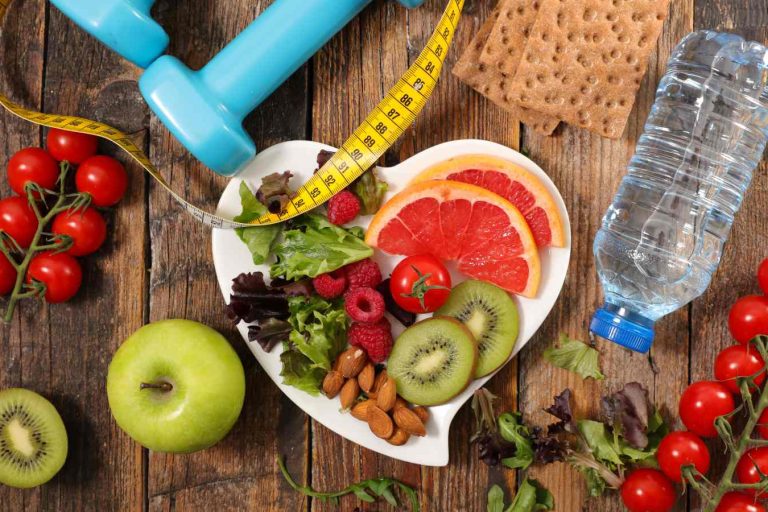
March Wellness Spotlight
Mindful Eating: Savoring Every Bite for a Healthier Life

Food is Fuel!
In today’s fast-paced world, eating has become more of a routine task than a mindful experience. We often eat on the go, in front of a screen, or out of habit rather than true hunger. Mindful eating is the practice of bringing full attention to the experience of eating—savoring each bite, listening to your body’s hunger and fullness cues, and making intentional food choices. Mindful eating is not about restricting what you eat but rather reconnecting with the pleasure of eating and nourishing your body in a balanced, thoughtful way. In honor of March being National Nutrition Month, we are going to discuss how we can incorporate mindful eating and meal planning into our daily routine in order to improve our meals and transform the way we experience food.
Let’s Take a Look at the Facts
Distracted or mindless eating can significantly contribute to obesity by reducing awareness of hunger and fullness cues, leading to overeating. If you are feeling like it is a struggle to maintain a healthy diet, you are not alone. The Center for Disease Control (CDC) reported that in 2019 only 12.3% and 10.0% of adults met fruit and vegetable recommendations. This inadequate consumption of nutrient-dense foods is one of several factors contributing to the rising obesity rates in the United States. The CDC reported the prevalence of obesity amongst U.S. adults 20 and older was over 41.9% during 2017-2020. This is up from 30.5% in 2000. However, positive change is possible. The key to a healthier lifestyle lies in our ability to make mindful, informed choices about the foods we eat.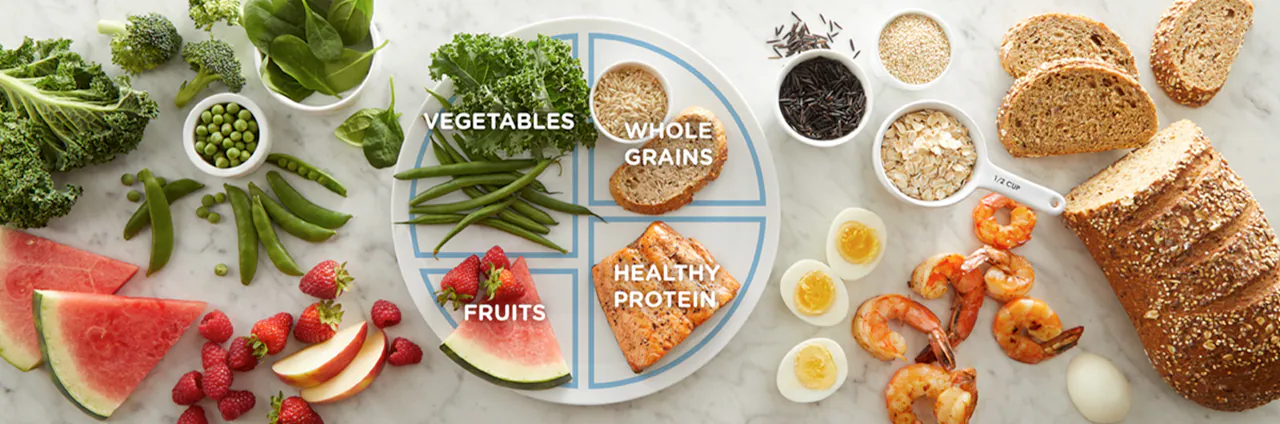
Mindful Eating
Mindful eating can help us develop a healthier relationship with eating. When practicing mindful eating, it is important to limit the number of distractions around you. Turn off the TV and put away your phone. This will allow you to focus on your meals and understand when your body is getting full. While filling up your plate, think about what you will be eating and why you are eating it. Are you eating because you are bored, because you are hungry, or because the food looks yummy? Avoid thinking of different foods as either good or bad for you. This can lead to harmful ideas about food that can manifest themselves into shame or guilt. Think instead of the nourishment the food will bring you and how it will make you feel. As you eat your food, allow yourself time to enjoy and appreciate your food. Slow down and savor each bite. Once you have finished eating, think about how the food makes your body feel. Mindful eating can contribute to a healthier diet by allowing us time to make intentional choices about our food. Bringing a sense of awareness to what you are putting into your body can help you make food choices that will make your body feel good.
Meal Planning
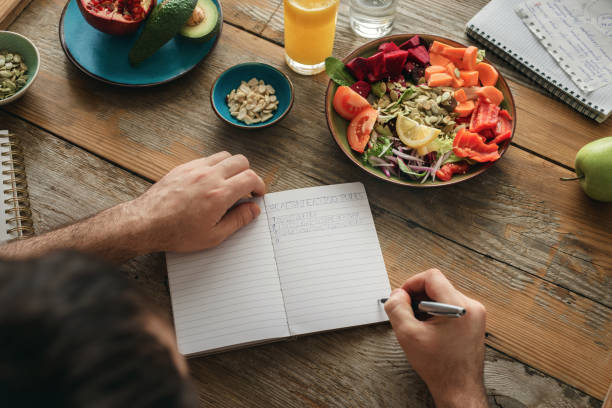
Eating what is convenient isn’t always what is best for our bodies. Meal planning or setting goals for yourself can also help you feel more in control of your eating habits. Knowing your goals ahead of time can help you map out your meals for the week. Set aside time to think of the week ahead, look up recipes, and come up with a plan for what meals you will make each day. This will help you to make a grocery list of items that will help you achieve your goals. If you make a goal to eat 3 servings of vegetables a day, you can make sure to get a variety of veggies at the grocery store.
Focus on Adding, not Subtracting
Eating healthy foods doesn’t mean having to take things away. When we think of “eating healthy”, we often think of all the food we are cutting out of our diet such as highly processed foods or sugary drinks for example. Adding foods that are high in nutrients, rather than focusing on taking away food will help you feel more in control of your diet. Taking away all the food that can be considered “bad for you” at once can be an abrupt change that can make it difficult to stay on track with your goals. For those who struggle with restricting themselves, start by adding nutrient-dense foods rather than taking food away. For example, instead of saying you can’t eat pasta anymore, try a pasta recipe that contains a serving of veggies. You can also swap traditional pasta noodles for pasta made from chickpeas that are high in dietary fiber and protein.
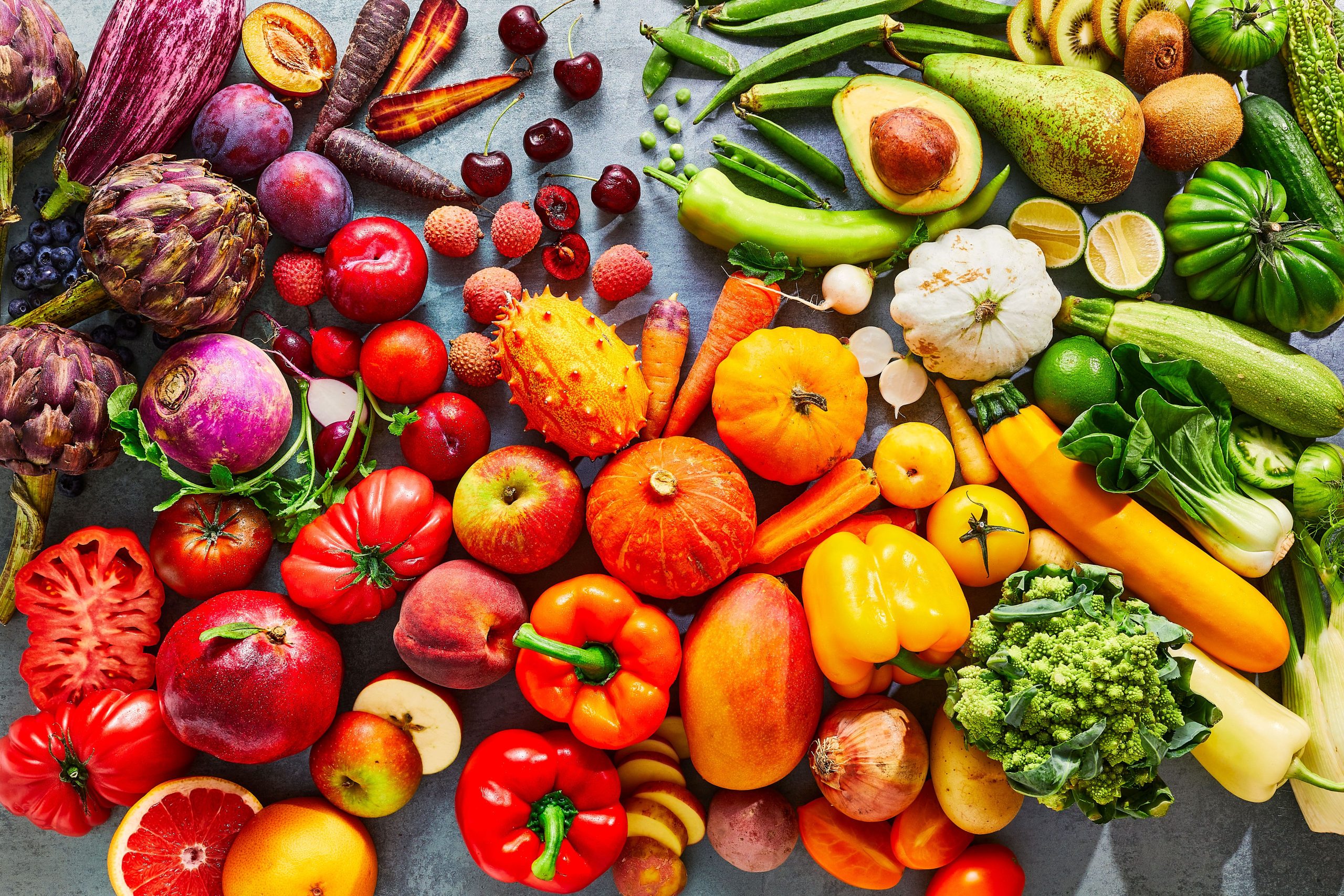
Eat Better, Feel Better!
Not sure where to start? Here are a few more strategies that you can use to make informed food choices in your day-to-day:
- Visit MyPlate.gov and take the MyPlate Quiz to help determine areas that you can improve your diet.
- Prepare some meals to have throughout the week including snacks. Here are some recipes for you to try.
- Slow down and allow yourself time to enjoy your food. Take at least 30 minutes to eat your meal.
- Avoid distractions while eating. Scrolling on social media or watching tv while eating can distract you from knowing when you are full which can lead to overeating.
- Keep track of how many fruits and vegetables you eat each day. Track this for a week and then see where you can add more fruits and vegetables (adding berries to oatmeal for breakfast or a side of steamed broccoli with dinner).
- Eat more protein! According to the Mayo Clinic, eating 10-30 grams of protein in each meal can keep you fuller longer.
References
CDC – Fruits and Vegetable Intake