April Wellness Spotlight
Reducing Plastic for a Healthier You and a Cleaner Planet

Plastic Problem
Plastic is all around us. It is easy to see how incredibly useful and convenient plastic is, but that doesn’t necessarily mean it is good for us. You have most likely have heard how plastic is quite harmful to our environment, but recent studies have shown that plastic can be causing some serious harm to our bodies as well. In this month’s spotlight, we will dive into the world of plastic to understand the negative effects on our environment and bodies, as well as ways we can reduce our plastic use.
What are Microplastics?
Humans produce plastic waste through everyday activities, from using single-use plastics like bags, bottles, and straws to discarding packaging materials and synthetic clothing fibers. Much of this plastic waste is improperly disposed of, ending up in landfills or littering streets and waterways. Rain and wind carry plastic debris into rivers and streams, which eventually flow into the ocean. Additionally, wastewater treatment plants fail to filter out microplastics from synthetic fabrics and personal care products, allowing them to enter marine ecosystems. Over time, ocean currents spread plastic pollution across the globe, harming marine life and disrupting ecosystems.
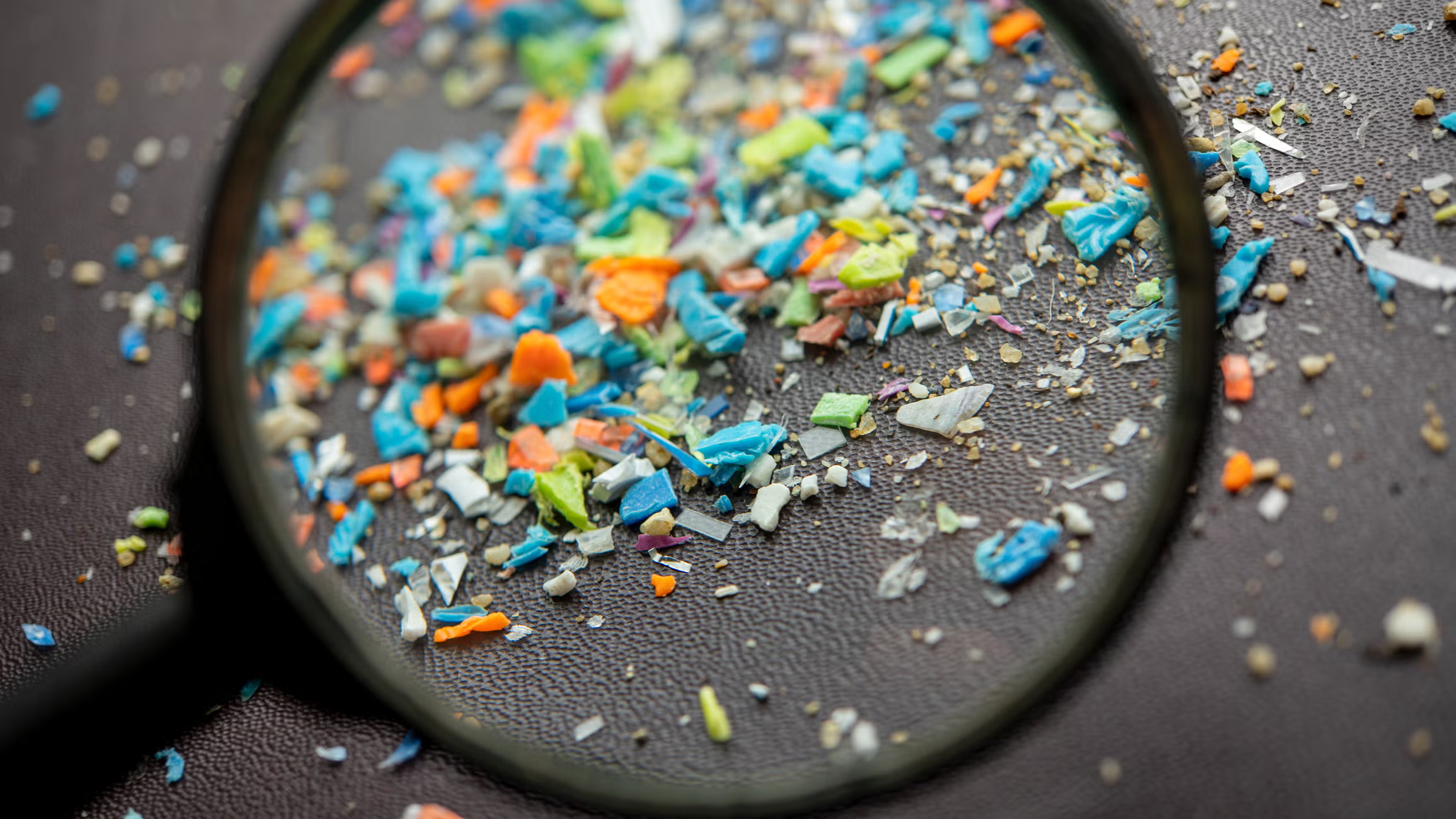
Plastic is not biodegradable and can take hundreds of years to decompose. A plastic bag can take 20 years to break down while a plastic water bottle can take an estimated 450 years to fully decompose. Plastic decomposes by breaking down into smaller and smaller pieces of that are eventually too small for humans to see. These are called microplastics. The ocean is full of microplastics that are causing serious damage to our wildlife. Birds, fish, and marine mammals mistake microplastics for food and consume them. This can lead to internal injuries, blockages, and malnutrition, as plastic provides no nutritional value. Animals are unable to digest the plastic, therefore it stays in their gut making them feel less and less hungry and eventually leading to their death.
As someone who is living in the Midwest, it can be easy to forget that there are problems with plastic in the ocean, but in reality the problem is not far from our doorstep. These tiny pieces of plastic that are in our landfills can easily be absorbed into our ground water and our drinking water. The fish we consume may also have plastic in their system that we intern ingest.
Microplastics and the Human Body
Microplastics have been found in various parts of the human body, raising concerns about their potential health effects. People are exposed to microplastics through contaminated food, drinking water, and even the air they breathe. These tiny plastic particles can enter the digestive system when consuming seafood, salt, or packaged foods and may also be inhaled from airborne dust. Once inside the body, microplastics can cause inflammation, disrupt gut microbiota, and potentially enter the bloodstream, reaching organs such as the liver, lungs, and even the brain. Some microplastics contain harmful chemicals, such as endocrine disruptors and carcinogens, which may interfere with hormonal balance and increase the risk of health issues. While research on the long-term effects of microplastics on human health is still ongoing, early findings suggest that reducing plastic exposure is essential for overall well-being.
Ways that you can Make a Difference
Environmental issues such as microplastics can be an overwhelming topic to discuss. The issue can feel a bit hopeless or beyond your control. There are so many actions we can take throughout the day to reduce our plastic use. Let’s talk about a few ways we can reduce reuse and recycle.
Avoid Single Use Plastics.
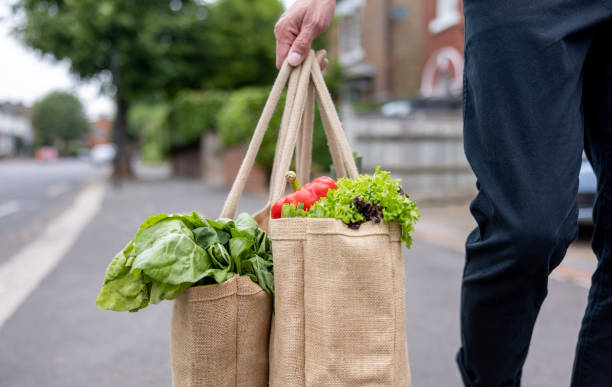
Plastic water bottles, straws, plastic bags are everywhere these days. Swapping a few of these common items for reusable options can drastically reduce our plastic usage. Reusable shopping bags are typically larger and sturdier than plastic bags. This means you can carry more groceries at a time. Store reusable bags in your vehicle so you can easily remember them for every grocery trip. Reusable water bottles are often times bigger than a standard reusable water bottles. Using a reusable water bottle will save 156 single use plastic water bottles a year. It is best to use a metal or glass water bottles and avoid plastic ones.
Shop Smarter.
Walking through the grocery store, you may notice items unnecessarily wrapped in plastic for example half of a watermelon wrapped in plastic or cut up pineapple in a container. Sometimes the most convenient option isn’t always what is best for you or the environment. Buying items in bulk can help reduce unnecessary packaging as well as supporting eco-friendly packaging.
Make Sustainable Swaps.
Take a look around your household and take note of the plastic containers and single use plastics around you. Laundry soap, dish soap, body wash, etc. You can swap many cleaning supplies and laundry soaps for refillable options. When you can, use dishtowels instead of sponges or paper towels. You can swap your liquid soap in a plastic container for a bar of soap.
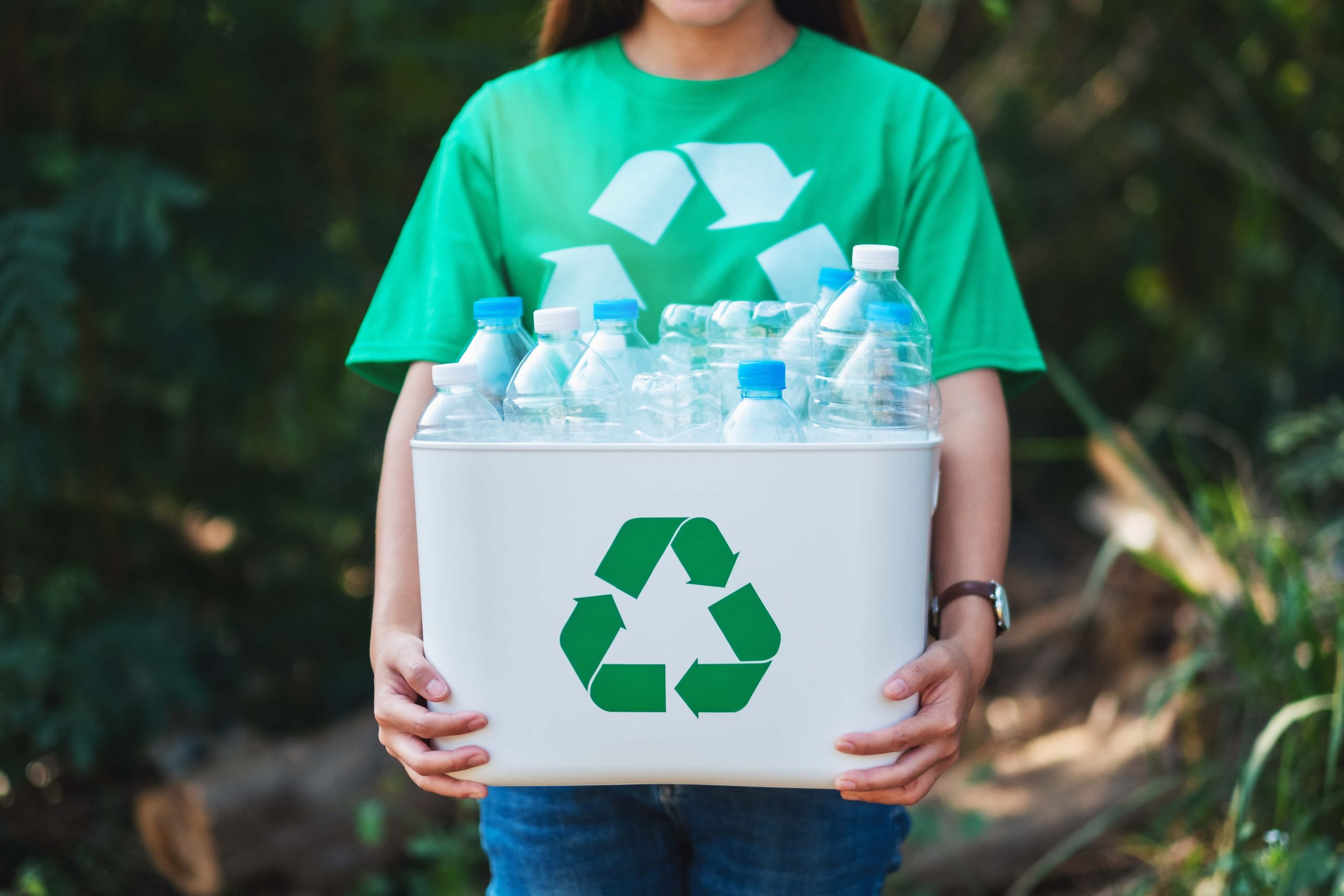
Take Advantage of UND and Grand Forks Recycling.
Recycling bins are set up all across campus to make recycling convenient. Visit the UND Recycling webpage for more information. Visit the City of Grand Forks website to learn more about weekly recycling schedules and drop off sites.