June Wellness Spotlight
Sleep 101: The Basics of Better Rest
The average American will spend roughly 230,000 hours of their life sleeping. That equals around 26 years. When you think about sleeping a third of your life, it may feel like it’s lost time, but on the contrary, sleep is a key ingredient for a long healthy life. Sleep is a time to repair the body and recharge for the day ahead. Sleep isn’t lost time, but rather a critical function and gateway to better health. With sleep being a basic pillar of health, why are we missing out on it? 1 in 3 adults in the U.S. is likely not getting enough sleep. For those who struggle with sleep disorders – about 50-70 million Americans – when do find time to sleep it is often not very good quality. In this week’s Wellness Spotlight, we will dive into why it is essential for humans to sleep, why a lack of sleep can hurt our health, and how to identify ways to improve sleep habits.
The Science of Sleep
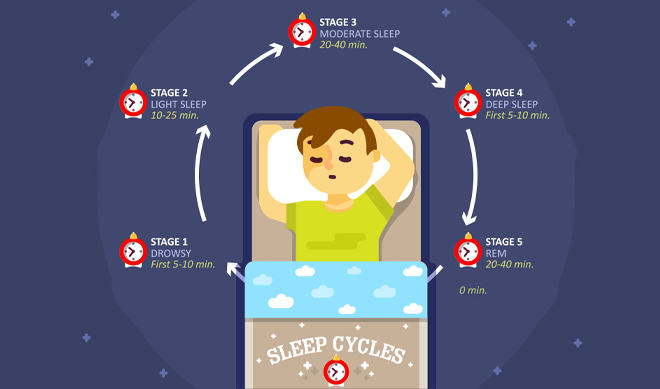
Next to food, water, and air to breathe, sleep is an essential aspect of human survival. Beyond recharging our batteries, sleep aids in immune health, cognitive and memory function, as well as reducing the chances of heart attacks and diabetic-related incidents. It is a common misconception that when we go to sleep, our body and brain do as well. At certain stages of sleep, your brain and parts of the body are actually very active. While we sleep, we cycle through different stages of sleep: light sleep, deep sleep, and rapid eye movement (REM). It can take 90 to 120 minutes to complete a full cycle, and people may complete up to five cycles throughout the night. During the Deep Sleep stage, your brain has pattern known as delta waves. These waves are responsible for committing your experiences throughout the day to memory. They also aid in the restoration of bone, muscle, and immune system. REM sleep is when people experience dreaming, but there is also evidence showing that REM sleep works to improve memory function. Depending on how long we stay in each stage, the more benefits we may experience. Prioritizing enough quality sleep has been linked to a better immune system as well as a lower risk of heart attacks, diabetes, and dementia-related illnesses.
Sleep Deprivation
We’ve all experienced waking up on the wrong side of the bed after a terrible night’s sleep. Sleep deprivation occurs when you don’t get enough rest or when the sleep you do get is poor in quality. Acute sleep deprivation refers to short-term sleep loss, typically lasting a few days, and is something many people encounter occasionally. Common causes include illness, medication, stress, and other lifestyle factors. Lack of sleep can impair cognitive function, emotional regulation, and reaction time. According to the National Institute for Occupational Safety and Health (NIOSH), being awake for 17 hours is equivalent to having a blood alcohol concentration (BAC) of 0.05%. Like alcohol, sleep deprivation can lead to poor judgment and slowed responses. Over time, chronic sleep loss is associated with mood disorders such as anxiety and depression, and it weakens the immune system, making us more vulnerable to viruses and infections. Ultimately, consistent sleep deprivation can significantly lower quality of life and increase the risk of long-term health issues. One study in Michigan even found a 24% increase in heart attacks on the Monday following daylight saving time, highlighting how even small disruptions in sleep can have serious effects. On average, adults need 7 to 9 hours of sleep per night to feel well-rested—though some may need slightly more or less.
Sleep Disorders
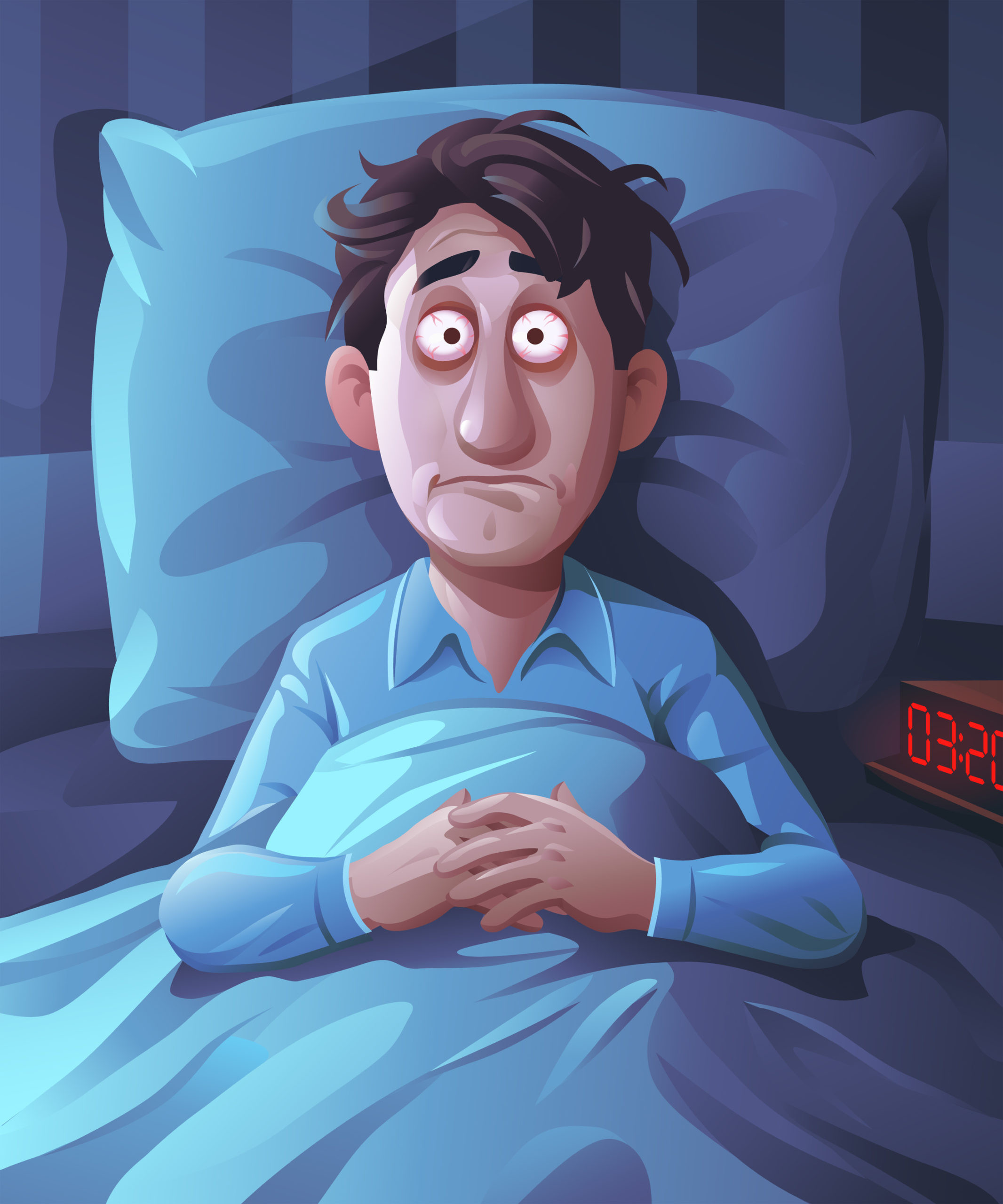
For some people, sleep deprivation is more chronic and is typically caused by sleep disorders. According to the Cleveland Clinic, sleep disorders are conditions that affect your ability to get the rest your body needs and maintain wakefulness. These disorders act as a barrier to achieving enough quality sleep. There are over 80 different sleep disorders, but the most common are sleep apnea and insomnia. Sleep apnea is a serious sleep disorder in which a person’s breathing repeatedly stops and starts during sleep. People with sleep apnea often snore loudly and may feel tired even after a full night’s sleep. Insomnia makes it difficult to fall asleep, stay asleep, or get restful, quality sleep—even when you have the chance to do so. People with insomnia often wake up feeling tired, which can affect their energy, mood, concentration, and overall health.
Other barriers include self-proclaimed assumptions about sleep. As we discussed earlier, sleep is vital for human function. Almost all animals require sleep, but humans are the only species that will deliberately deprive themselves of sleep. Have you ever heard the common phrase “I’ll sleep when I’m dead”? The idea of putting off sleep to complete a deadline is a very common idea in our society today. In fact, people who prioritize sleep can often be thought of as lazy. It’s important that we don’t let our lifestyle habits get in the way of getting a good night’s sleep.
Tips for Better Sleep
*Warning: this article may cause drowsiness. *
Let’s put restful sleep back on our priority list. A good night sleep starts with a good morning. Getting enough exposure to morning sunlight can help you get sleepier in the evening. A decent amount of physical activity throughout the day will ensure that you are tired at night. It is also important to keep a consistent sleep schedule. Wake up at the same time and go to sleep at the same time every day. This will allow your body to build the habit of being sleepy in the evening and fully awake in the morning.
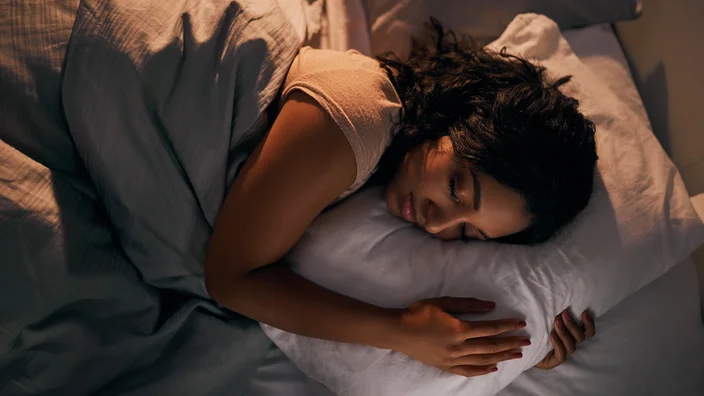 Creating a restful sleep environment is key to feeling well-rested.
- Only use your bed for sleep. Lounging in bed while awake teaches your brain that your bed is just for sleeping, which can make it harder to fall asleep.
- Keep it cool. 65 degrees is the optimal temperature to keep you cool and comfortable throughout the night.
- Turn off bright lights. Stick to dim lighting in the evening and keep your bedroom dark when it is time to sleep. Sitting in a brightly lit room before bed will trick your brain into thinking it is time to be awake – which leads me to our next tip.
- Put your phone to bed. Leaving your phone in a separate room to charge overnight will help minimize the temptation to scroll long past your bedtime.
- If you can’t fall asleep, don’t toss and turn. It is better to get out of bed and do a calming activity – like reading a book or gentle movement – until you feel tired.
Resources
NIH – What are Sleep Deprivation and Deficiency?
Sleep Foundation – Stages of Sleep
CDC – National Institute for Occupational Safety and Health (NIOSH)
Open Heart – Daylight savings time and myocardial infarction