July Wellness Spotlight

Summer Safety
Summer is a season filled with sunshine, outdoor adventures, and family fun—but it also brings unique safety challenges. From high temperatures and strong UV rays to water activities and fire hazards, it’s important to be prepared and stay informed. Whether you’re heading to the beach, going camping, or simply enjoying time in your backyard, practicing good safety habits can help prevent accidents and keep your summer enjoyable and stress-free. In this months wellness spotlight, we’ll cover key summer safety tips to help you and your loved ones stay healthy, happy, and safe all season long.
 Water & Boating Safety

With the summer heat, activities often involve some type of body of water. Playing in the water comes with serious responsibility. Whether you are heading to the lake, tubing down the river, or hanging around the pool, it is always best to practice water safety.
According to the American Red Cross, 11 people die from drowning each day in the U.S. making it the leading cause of death for young children. Drowning can happen in any body of water and it only takes 2 inches of water for someone to drown. Drowning happens quickly and is often silent. Someone can drown in as little as 60 seconds.
To help prevent accidents, follow these essential water safety tips:
- Have you and your family take swimming lessons. Grand Forks Parks – Swimming Lessons, Minot Swimming Lessons, Bismarck Swimming Lessons

- No matter how confident of a swimmer you are, never swim alone. Even the best swimmers can become overwhelmed in the water.
- Always swim sober.
- If you don’t know how deep the water is, enter feet first. Never dive into an unknown body of water.
- Swim at pools or lake areas with designated lifeguards. If there are no lifeguards, always designate a “water watcher” who is responsible for watching the swimmers. Don’t assume someone else is a “water watcher” and always use verbal communication.
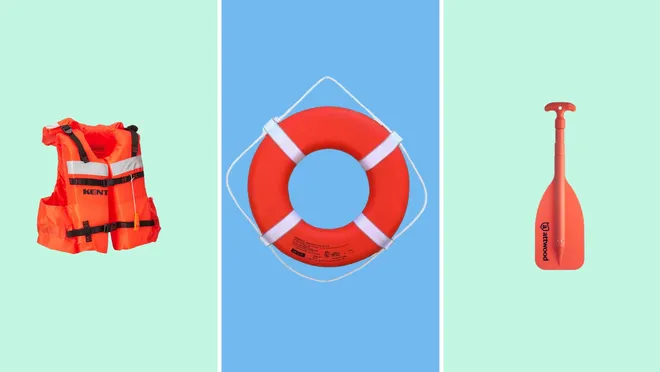
- If you are not a confident swimmer, wear a life jacket approved by the U.S. Coast Guard. Parents playing with their kids in the deep end should also wear a life jacket in case they need to
- Dress your children in bathing suits that can be easily spotted under water.
- Any body of water can pose a threat to a child or weak swimmer. Oceans, lakes, rivers, pools, hot tubs, bathtubs, or large buckets of water.

Boating
Going for a boat ride is a great way to stay cool during those hot summer days. Before you head out for a cruise, here are some general safety guidelines to follow:
- Even the best swimmers need life jackets. If someone fall off a boat, they can become disoriented or injured. Life jackets help keep you afloat in dangerous situations.
- Children should always wear life jackets while on a boat.
- Before taking the boat out, make sure that you know how many people are on the boat. Operating a boat with too many passengers can be hazardous, so always adhere to the boat’s capacity limits.
- While driving the boat, stay alert and watch for other watercrafts around you. There are no stop signs or traffic lights, so slow down and be courteous of others.
- Before starting the boat, ensure all swimmers are safely back inside the boat.
- Boating at night can be dangerous. Always make sure your boat is equipped with proper lights and avoid driving the boat after dark whenever possible.
Finally, never operate any type of watercraft while intoxicated.
If you would like more information on how to stay safe while boating, please visit the North Dakota Game and Fish website or the United States Coast Guard website.
Sun Protection
Sun protection isn’t just for the beach—it’s a daily habit that supports your overall well-being. Protecting your skin from the sun is essential for maintaining long-term health and preventing skin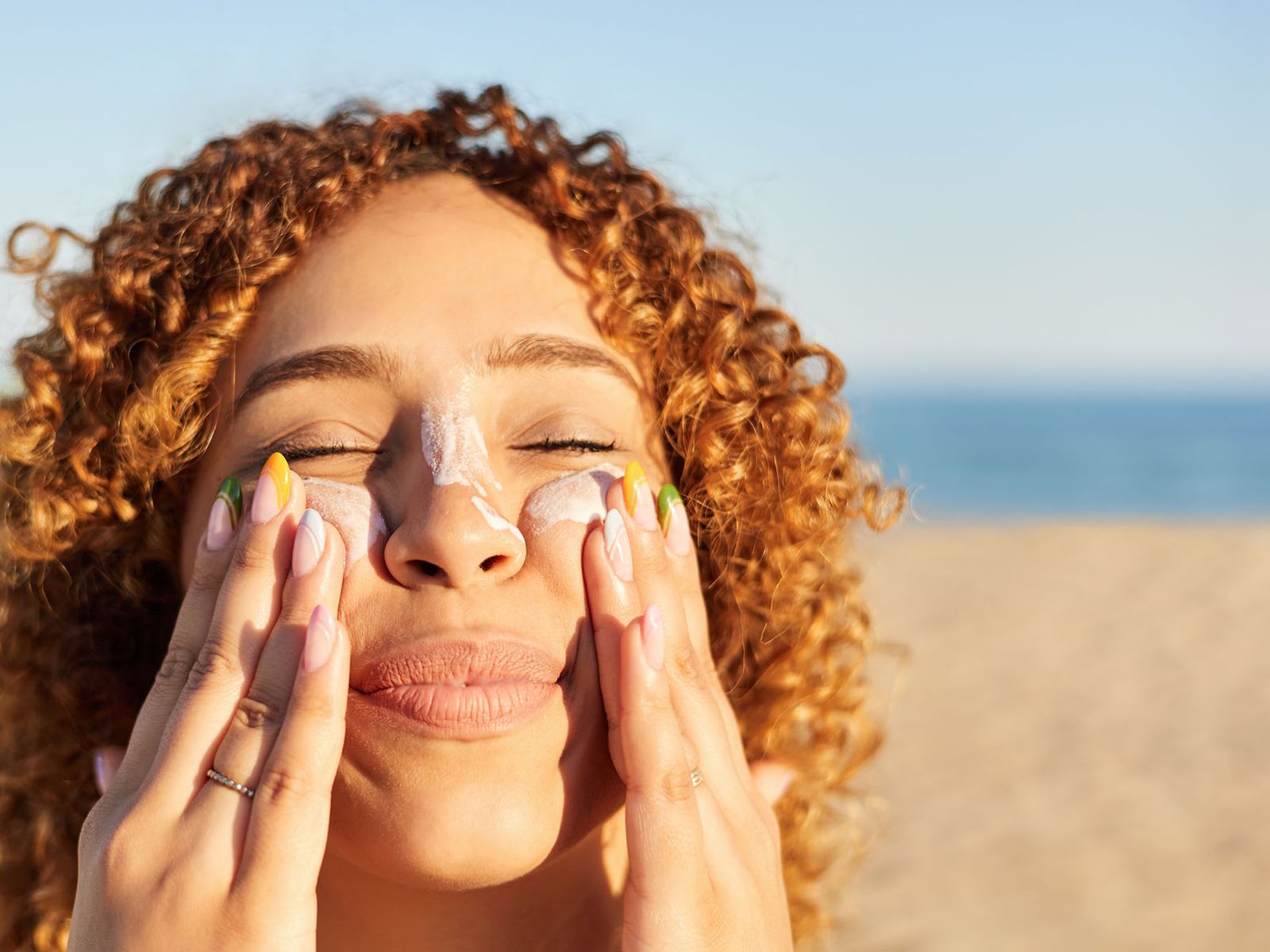 damage. Ultraviolet (UV) radiation from the sun can lead to premature aging, sunburn, and an increased risk of skin cancer, including melanoma. Skin cancer is the most common form of cancer. It’s estimated that 9,500 people in the United States are diagnosed with skin cancer every day. To reduce these risks, it’s important to practice good sun protection habits year-round, even on cloudy days.
Here are some tips for sun protection to keep you safe this summer.
- Use broad-spectrum sunscreen with an SPF of 30 or higher. Broad-spectrum sunscreen protects against UVA and UVB rays.
- Reapply sunscreen often. Reapply sunscreen every two hours or after swimming or sweating.
- Wear protective clothing such a long-sleeve shirts, wide brim hats, and sunglasses with UV protection.
- Find a nice shady spot. It is always important to take breaks from the sun.
Dehydration and Heat Stroke
Summer heat and humidity can do a number on our hydration levels. Dehydration occurs when the body loses more fluids than it takes in, leading to an insufficient amount of water to function properly. It can result from excessive sweating, not drinking enough fluids, illness, or prolonged exposure to heat. Even mild dehydration can cause symptoms like dry mouth, fatigue, dizziness, and headaches. In more severe cases, it can lead to confusion, rapid heartbeat, or even medical emergencies such as heat stroke.

Heat stroke is a very serious and potentially life-threatening condition caused by the body overheating, usually because of prolonged exposure to high temperatures or intense physical activity in hot weather. Common symptoms include a high body temperature, confusion, rapid pulse, hot and dry skin (or heavy sweating in exertional cases), nausea, and even unconsciousness. Heat stroke does require immediate medical attention, so be sure to call 911 immediately if someone is showing symptoms.
Staying hydrated is essential for maintaining healthy body functions, including temperature regulation, joint lubrication, and organ performance. To maintain proper hydration levels, don’t wait until you’re thirsty. Drink water regularly throughout the day and especially during physical activity, hot weather, and if you have an illness.
Campfires
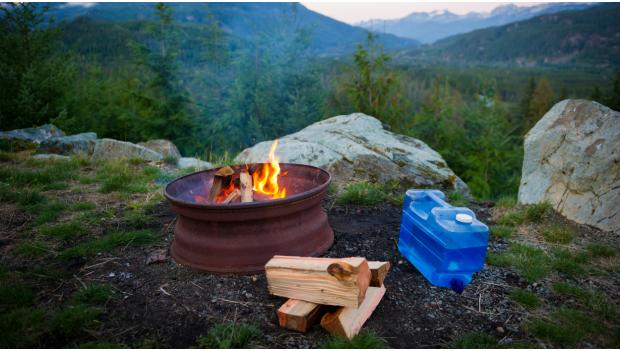
Campfires are a classic addition to all outdoor adventures and can quickly light up any summer night. When not managed properly, campfires can quickly become out of hand leading to wildfire or injuries. Unfortunately, humans are the cause of nearly 90% of wildfires in the United States. Let’s go over the necessary precautions you need to take when lighting a campfire.
- Check for burn restrictions in your area.
- Choose a designated fire pit or safe area clear of any tents, trees, or other flammable materials.
- Start small and keep the fire to a manageable size.
- Be aware of any children or pets around the fire and make sure there is adequate supervision.
- Before leaving the area make sure the fire is fully extinguished by either letting the fire burn out completely or by dumping a bucket of water on the fire. It is important that you pour enough water on the fire so that you no longer hear the hissing sound of the coals.
Fireworks
Every year, thousands of injuries and fires are caused by the misuse of fireworks, many of which are preventable with basic safety precautions. The following are some firework safety tips to keep you and your family safe.

- Always follow local laws and guidelines regarding fireworks.
- Light fireworks outdoors in a clear, open area away from buildings, dry grass, and flammable materials. Keep a bucket of water or a hose nearby in case of fire or malfunction.
- Never point or throw fireworks at people and keep a safe distance after lighting them.
- Children should never handle fireworks. Adults should closely supervise all activities involving fireworks.
Though it may be fun to set off fireworks at home, it is always safest to leave the firework shows to the pros. Here is a list of local firework shows for the 4th of July:
- Sertoma 4th of July Festival in Grand Forks
- Bismarck’s Red White and Boom
- Fireworks at the ND State Fair Ground – Minot
Safety Resources
Bismarck CPR First Aid Classes
References
American Red Cross – Water Safety
American Red Cross – Summer Safety
Cleveland Clinic – Dehydration
Cleveland Clinic – Heat Stroke
Mayo Clinic – Dehydration
Western Wildfire Chiefs Association