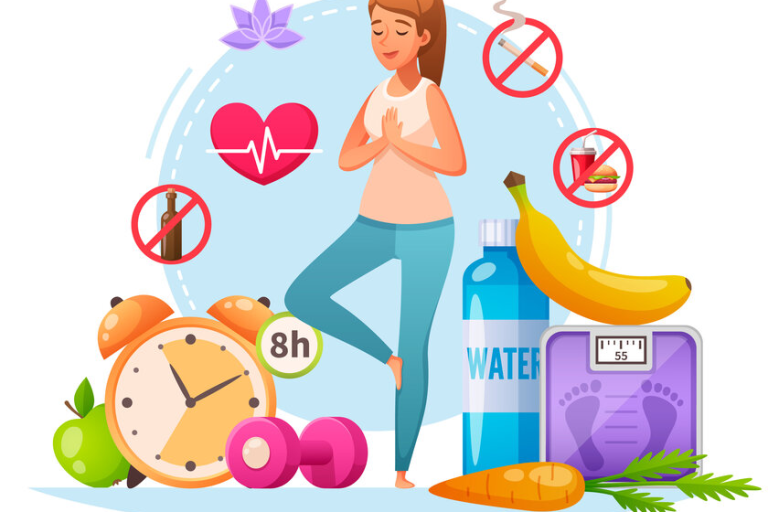
August Wellness Spotlight

Preventing Burnout and Recharging Before the Fall Semester
As the fall semester approaches at UND, the campus will soon come alive with the familiar hustle and energy of a new academic year. It’s an exciting season filled with fresh starts, new goals, and the return of a vibrant campus community. Whether you’re stepping into your first semester or returning with experience, this time of year brings a sense of renewal—but it can also bring increased demands, full schedules, and mounting pressure.
When we dive into our activities and responsibilities without balance, it’s easy to overlook our own well-being. That’s why, in this month’s Wellness Spotlight, we’re focusing on how to recognize the early signs of burnout, take proactive steps to prevent it, and create space for intentional rest. You’ll learn how to recharge your energy and build healthy routines that support you throughout the year.
What is Burnout?

Burnout is not a medical condition, but it is defined by the APA Dictionary of Psychology as “physical, emotional, or mental exhaustion, accompanied by decreased motivation, lowered performance, and negative attitudes toward oneself and others.” There is no single scenario in which someone might experience burnout—it can result from workload, caregiving, or overwhelming responsibilities. It also doesn’t appear overnight; burnout builds up over time when work demands consistently exceed a person’s capacity to rest and recharge. People who experience burnout often feel drained, detached, unmotivated, and unable to perform at their usual level. If we don’t take care of ourselves, burnout can affect not only our work but also our relationships, health, and overall quality of life.
Creating a Healthy Work Life Balance
Creating a healthy work-life balance starts with setting clear boundaries between your professional and personal time. Boundaries are a way to protect yourself from burnout. They are clear lines you set for yourself and others to help maintain that balance. When people don’t have boundaries, it can be difficult to see where work ends, and home life begins.
Start by creating a clear schedule of your work hours and resist the urge to check in with work outside of that time. Communicate your schedule to others and let them know when you are at capacity. It’s okay to say no to extra tasks to avoid overcommitment.
When setting boundaries, it’s important to first understand your physical, mental, and emotional limits—and to pay attention to signs that you’re approaching them. Fatigue, irritability, detachment, and poor sleep are all signs that you may have reached your limit. Make time for rest, relationships, and activities that bring you joy.
Healthy boundaries are not selfish. Ultimately, a healthy work-life balance supports not only productivity but also personal fulfillment and long-term health. When you use boundaries to protect your time, you can show up more fully—both at work and in life.

Manage Stress Levels
I won’t tell you that we should always be stress-free. A certain degree of stress is a natural part of life and a normal response from our bodies when challenges arise. In fact, without a little bit of stress, some things might never get done.
However, when stress becomes overwhelming, it can be debilitating—especially if we don’t have the tools to manage it. Understanding what triggers stress for you is the first step in taking a proactive approach to stress management.
The next time you feel a stress response coming on, take a quick scan of your surroundings. Notice the people, places, or situations that might be causing your stress. Once you’ve identified your stressors, you can begin to explore different techniques to help calm your mind and body.
Some common techniques include deep breathing exercises, physical activity, journaling, or meditation. It’s important to find the method that works best for you and practice it regularly—even when you’re not feeling stressed—so it becomes second nature.
 Here’s a quick de-stress exercise you can try right now, called Box Breathing:
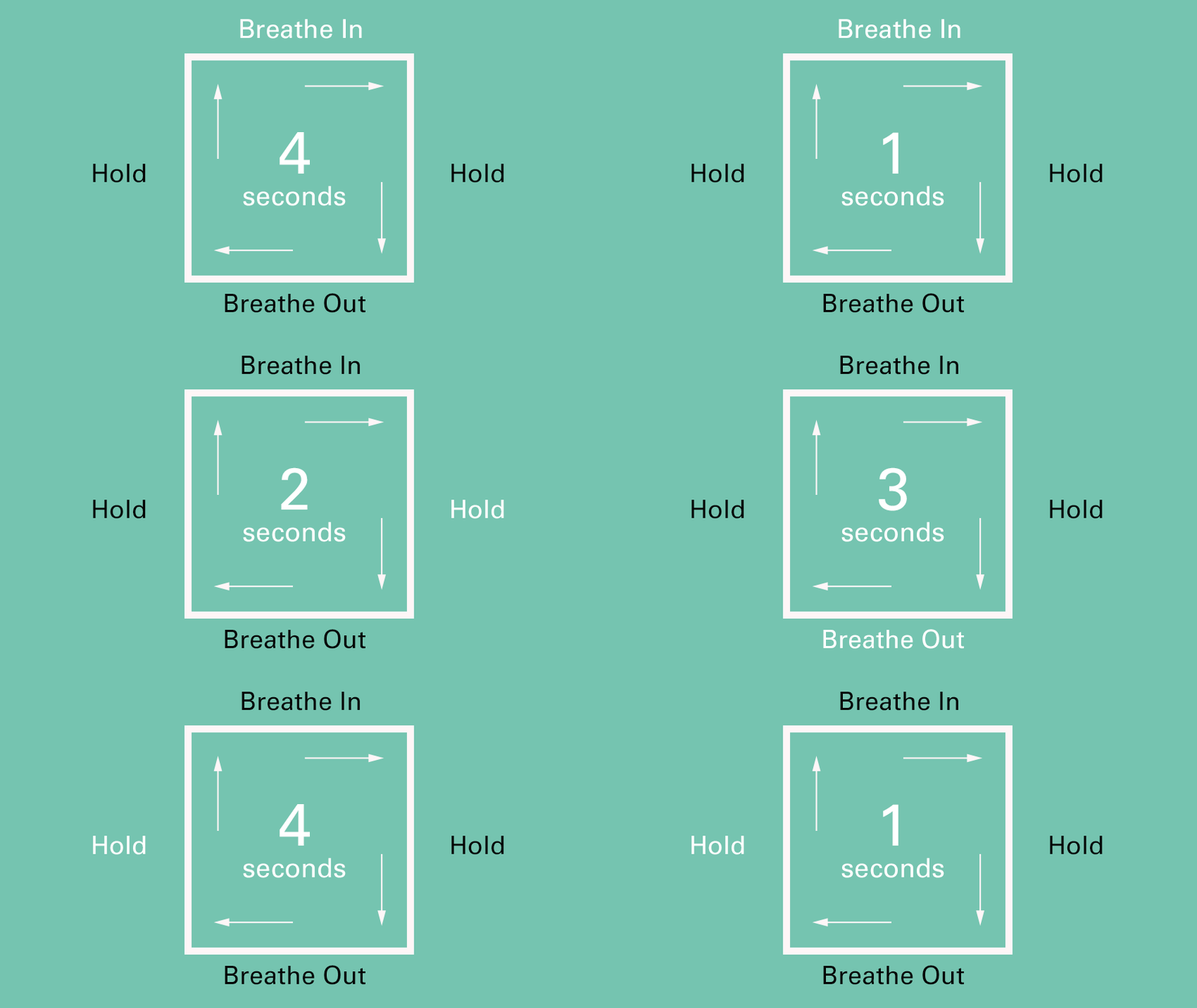
- Inhale slowly through your nose for 4 seconds.
- Hold your breath for 4 seconds.
- Exhale slowly through your mouth for 4 seconds.
- Hold your breath again for 4 seconds.
Prioritizing Self-Care
Self-care is a bit of a buzzword these days. Some people might associate it with indulging in something luxurious, taking a trip, or visiting the spa. While those all sound appealing, self-care does n’t fit into just one category—and in many ways, it’s personal to the individual. Self-care is the practice of intentionally tending to your physical, mental, and emotional well-being.
What is well-being? Well-being is a state of being healthy, happy, and fulfilled. Our environment, the people we interact with, and the daily challenges we face all have an impact on our well-being. Prioritizing self-care is a great way to ensure a strong sense of well-being, even when life’s problems arise. Self-care is about doing things that help you feel balanced, energized, and more capable of handling life’s demands.
Rest, Recharge, Reset
After stressful times, it’s important to set aside time to recharge. Recharging is the intentional act of restoring our mental, emotional, and physical energy after we’ve been depleted. It can take many forms, depending on what helps you feel refreshed.
This might mean getting enough sleep, taking a break from screens, spending time in nature, connecting with loved ones, or engaging in activities that bring you joy or calm—like reading, walking, or listening to music. For some, it also means doing nothing at all and giving themselves permission to simply pause.
 Key Take Aways
Set Boundaries
Check in with Yourself
Don’t Ignore Signs of Burnout
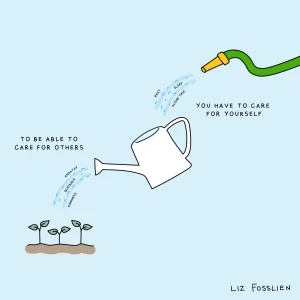
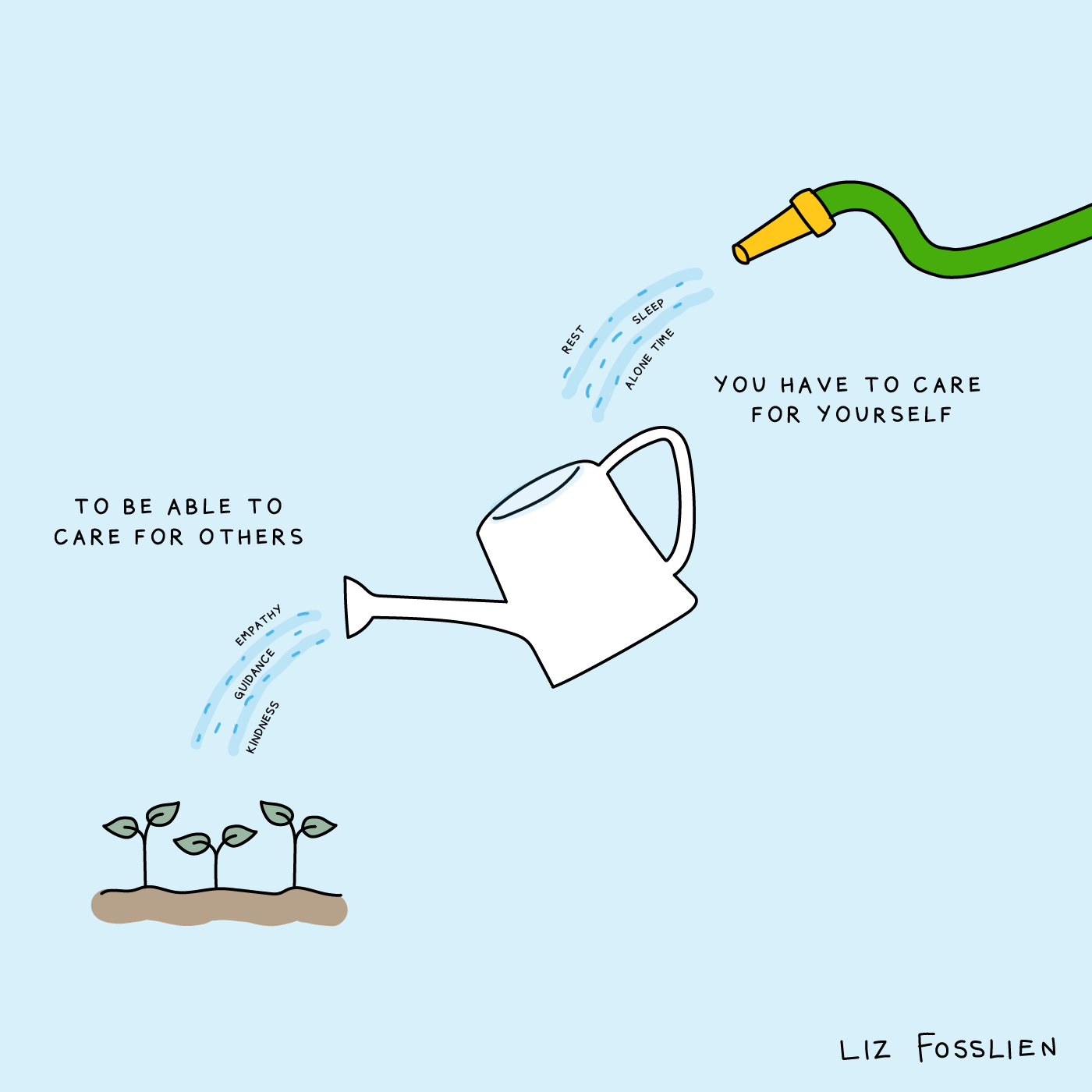
Remember: You can’t pour from an empty cup.
References
Self-Care for Career Success: 6 Tips to Balance Work and Life
How to Recharge? Tips from a Stanford Wellness Coach