The science behind scientific careers
UND researcher receives $250,000 NIH grant to study how doctoral training shapes biomedical research careers
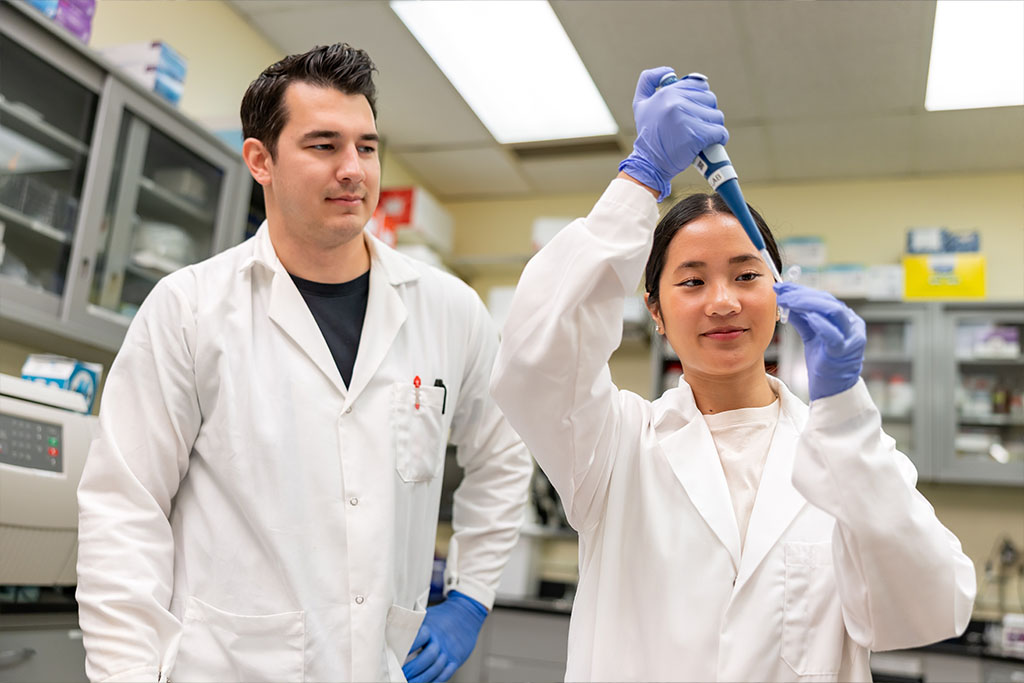
A scientist’s career begins taking shape long before the first independent discovery. During doctoral training, students build relationships with advisors, find collaborators and develop the expertise that will guide their work. Those early connections can influence careers for years — but which conditions help researchers build careers that last?
A new project at the University of North Dakota will investigate that question, using data to follow the paths scientists take from doctoral students to independent researchers and, eventually, mentors themselves.
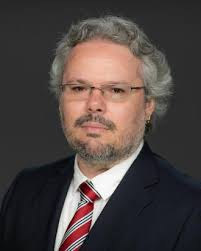
Diego Fregolent Mendes de Oliveira, assistant professor in the UND School of Electrical Engineering & Computer Science, has received a $250,000, two-year grant from the National Institutes of Health for the study. As principal investigator, he will lead “Structural Pathways in Biomedical PhD Training and Early Career Development,” examining how mentorship and research training environments relate to scientists’ careers.
For Oliveira, understanding those relationships starts with recognizing how far an advisor’s influence can reach.
“I think people often see a doctoral advisor primarily as someone who supervises a dissertation or teaches research skills,” he said. “But an advisor also helps shape a student’s entry into the scientific community: whom they collaborate with, how their work becomes visible, and what opportunities they can access.”
Those connections can matter long after graduation. Advisors also work within institutional constraints, Oliveira noted, making their responsibilities, career stage and available support important parts of the picture.
Following the Connections
To understand those career paths, the research team will connect biomedical doctoral dissertation records with data tracking scientific publications and collaborations over time. Together, these records will allow the team to trace relationships between doctoral advisors and their students across institutions and career stages.
Using network science — the study of connections among people or other entities — and statistical analysis, the researchers will examine advising relationships within the wider research communities surrounding them.
“Two students might graduate with similar publication records but have very different professional networks: one may have connections across several research groups, while the other’s collaborations may remain concentrated around their advisor,” Oliveira said. “Following those networks over time can reveal differences that publication counts alone would miss.”
The study will consider advisors’ experience, their capacity to mentor researchers and their advising responsibilities, along with students’ access to collaborators and resources. Following these relationships over time will help the team investigate when differences in research careers emerge and how they accumulate.
Beyond publication counts
Scientific careers are often assessed through publications, grants and awards. But those later achievements do not fully explain the training environments that preceded them.
Oliveira’s team will examine whether researchers continue publishing five and 10 years after graduation, form collaborations beyond their advisor’s network and eventually become doctoral advisors themselves. Tracing those connections across generations could help reveal whether particular training environments are associated with graduates becoming mentors.
Interpreting those patterns requires care, however. Maintaining a research relationship with a former advisor does not, on its own, indicate that a scientist has failed to establish independence.
“Continued collaboration with an advisor does not necessarily imply dependence; the broader trajectory matters,” Oliveira said. “These methods help us identify patterns and timing, while carefully assessing alternative explanations for the relationships we observe.”
The goal is to identify training structures associated with sustained research participation, independent collaborations and future mentoring roles. Findings could help universities and funding agencies evaluate early-career support and strengthen efforts to develop and retain biomedical research talent.
“Our project asks how doctoral mentorship relates to continued research activity, the development of independent collaborations, and eventually becoming a mentor oneself,” Oliveira said. “Understanding those pathways could help universities support both students and advisors more effectively.”
Written by Paige Prekker // UND College of Engineering & Mines