September Wellness Spotlight
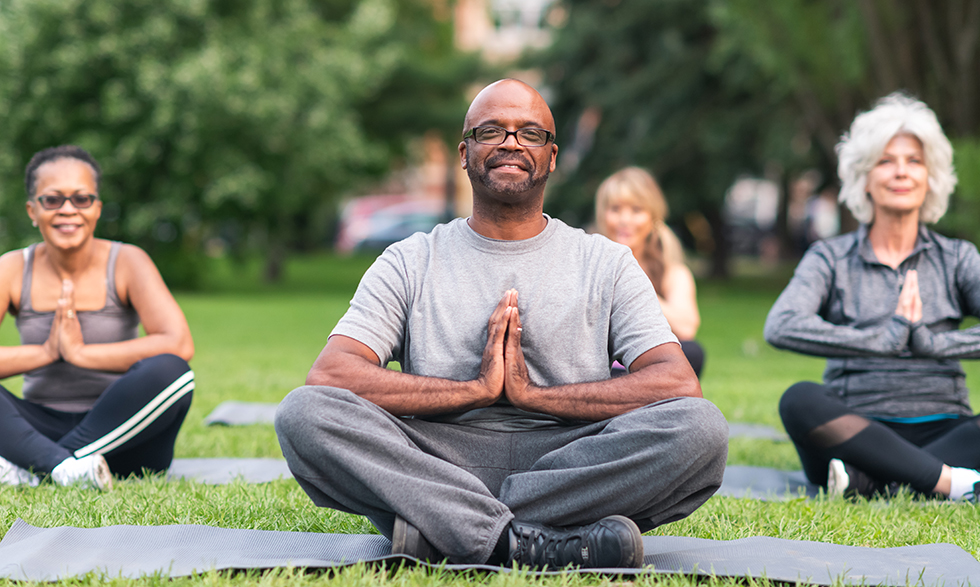
Healthy Aging
Aging is a topic that some people tend to avoid. No one seems to want to talk about how we are all getting older. We are all aging and though it may not always feel that way, aging is a privilege. While factors such as genetics are out of our control when it comes to aging, there are plenty of factors that we do have control over. Our physical, mental, intellectual, and social well-being all play a vital role in how we age. This process is not about seeing how long we can live, but understanding how we can live fuller, more satisfying lives well into our later years. In this month’s wellness spotlight, we are going to talk about Healthy Aging and how you are never too young or too old to choose how you age.
According to the World Health Organization in 2020, 1 billion people in the world are aged 60 years or over.
Physical Health
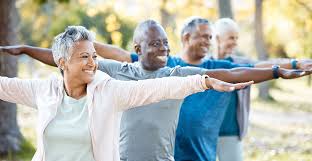
Physical activity plays a powerful role in promoting health and enhancing the aging process. While simply being active doesn’t guarantee a longer life, it does significantly reduce major health conditions such as hypertension, diabetes, heart disease, stroke, and certain cancer. By lowering the likelihood of these life-threatening illnesses, physical activity contributes to increased life expectancy and a better quality of life in later years.
As we age, our bodies naturally undergo changes that can impact mobility and independence. According to an article in the Harvard Health Publishing, muscle loss begins in your mid 30s at a rate of 1% to 2% a year. This accelerates with age reaching up to 3% in our 60s and 70s. In addition to muscle loss, aging brings stiffening joints, reduced balance, and decreasing strength, all of which can increase the risk of falls and injuries.
Regular physical activity, including strength training, flexibility exercises, and aerobic movement, can help combat these age-related changes. It preserves muscle mass, improves joint function, enhances balance, and supports cardiovascular health. In doing so, physical activity not only helps older adults maintain their independence but also boosts energy levels, mood, and overall well-being. This is what makes physical activity one of the most effective tools for aging healthfully.
Mental Health
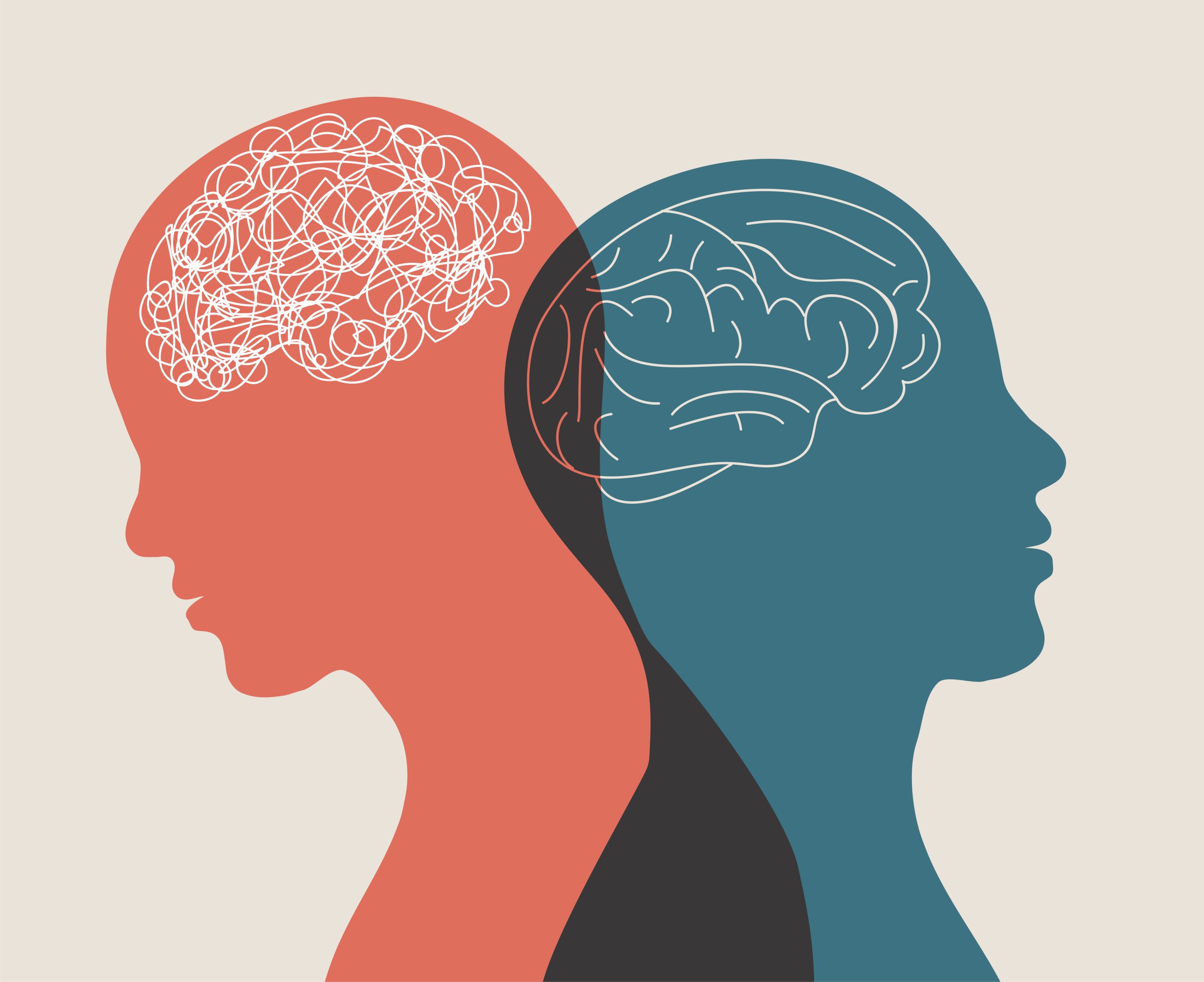
Mental health is important at any stage of life. As we age, we may face challenges such as the loss of loved ones, retirement, declining health, or reduced independence. These life changes can increase the risk of mental health issues like depression, anxiety, and loneliness, which can in turn negatively impact physical health and accelerate the aging process.
Poor mental health is linked to a higher risk of chronic conditions such as heart disease, weakened immune function, and cognitive decline. Chronic stress and untreated mental health conditions can also lead to unhealthy coping behaviors, including poor eating habits, substance use, and physical inactivity.
On the other hand, maintaining good mental health supports resilience, motivation, and a more active and engaged lifestyle. Older adults who prioritize their emotional well-being are more likely to participate in social activities, stay physically active, and adapt positively to the changes that come with aging. Practices such as mindfulness, therapy, regular social interaction, and hobbies that bring joy can strengthen mental health and significantly improve the aging experience. Ultimately, nurturing mental health is just as important as caring for the body when it comes to aging well.
Intellectual Health
Cognitive engagement is the active use and stimulation of the brain that involves deep thinking, problem solving, and self-regulation.
Engaging in intellectually stimulating activities such as reading, puzzles, learning new skills, playing musical instruments, or taking up new hobbies keeps the brain working and adaptable. These

activities promote neuroplasticity, the brain’s ability to form new connections and adapt to changes, which is essential for maintaining cognitive health over time.
Research suggests that older adults who regularly challenge their minds are less likely to develop dementia and are better equipped to handle the mental demands of daily life. Cognitive engagement also supports emotional well-being by boosting confidence, promoting a sense of purpose, and reducing feelings of boredom or isolation.
In short, keeping the brain active is just as important as keeping the body moving. By prioritizing lifelong learning and mental stimulation, individuals can strengthen their cognitive reserve and improve their overall experience of aging.
Socialization Engagement and Emotional Connection
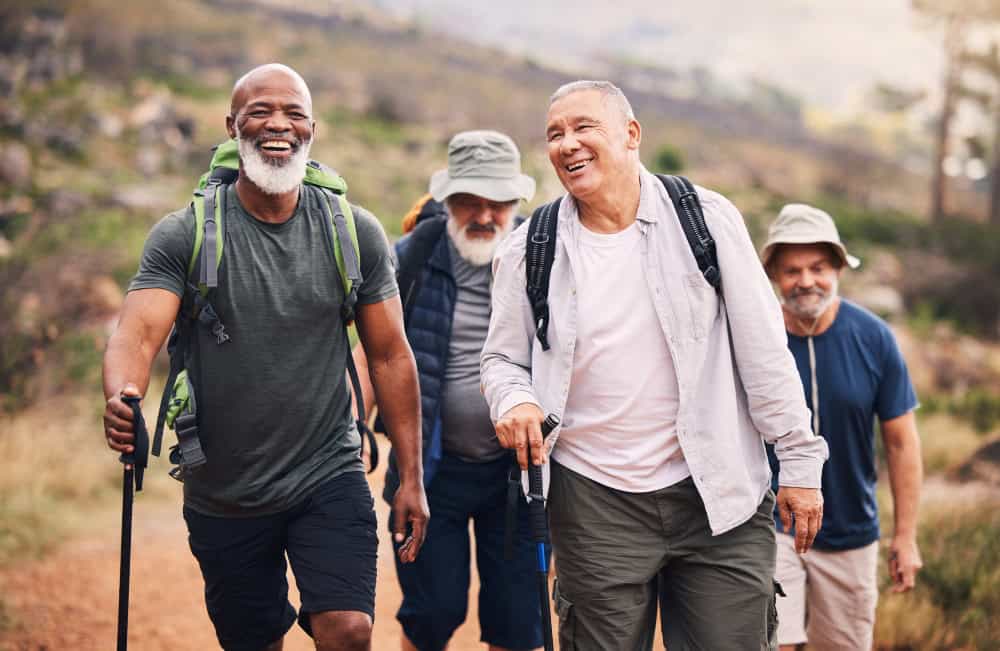
Staying socially connected helps older adults maintain a sense of purpose, belonging, and self-worth. As people age, they may face shrinking social circles due to retirement, relocation, or the loss of loved ones, which can increase the risk of loneliness and isolation.
Loneliness is more than just a feeling. It’s been linked to serious health risks such as depression, cognitive decline, weakened immunity, and even higher rates of heart disease and mortality. In contrast, regular social interaction supports emotional stability, reduces stress, and helps protect against these health threats.
Engaging with others through family gatherings, volunteer work, clubs, religious activities, or simply maintaining friendships encourages physical activity, cognitive stimulation, and emotional resilience. These interactions provide opportunities for laughter, shared experiences, and meaningful conversations, all of which contribute to a longer, healthier, and more fulfilling life.
In essence, staying socially connected isn’t just enjoyable, but a powerful tool for aging well. Nurturing relationships and building community are as important to longevity and vitality as proper nutrition and exercise.
Lifestyle Choices
The Alzheimer’s Association identifies 10 healthy habits for the brain to reduce the possibilities of Alzheimer’s and dementia:
-
Challenge your mind
-
Stay in school
-
Get moving
-
Protect your head
-
Be smoke-free
-
Control your blood pressure
-
Manage diabetes
-
Eat right
-
Maintain a healthy weight
-
Sleep well
You can do all the right things such as eat right, stay physically active and avoid smoking, but if you don’t shift your mindset about aging, you might still be doing it wrong. A lot of negative feelings about aging come from how we talk about aging. We use words like “old”, “ancient”, “declining”, or my least favorite “senile.” These are harmful words to say to anyone including yourself. How about we use words like flourishing, vivacious, wise, and experienced. Let’s rethink the aging process. Forget about how old you are and think about how old you feel. Ask yourself, how old would you be if you didn’t know how old you are?
References
NIH – What Do We Know About Healthy Aging?
Harvard Health – Functional fitness to decrease the effects of age-related changes
WHO – Mental Health of Older Adults
Alzheimer’s Association – The relationship between cognitive engagement and better memory in midlife