October Wellness Spotlight
Fight the Flu!
‘Tis the (flu) season! Kids are back at school, temperatures are dropping, and cases of the flu are becoming more prevalent. Rates of the flu start to increase in October with the most cases being between December and February. Read more in the October Wellness Spotlight to learn more about measures you and your family can take to reduce the risk of contracting influenza. 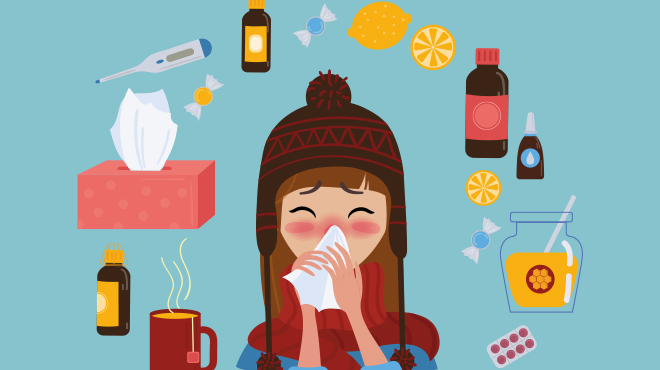
Prevalence & Risk Factors
According to the World Health Organization, 31.91 million cases of the flu were identified in the 2022-2023 season (WHO, 2024). Seasonal influenza, also known as the flu, is an acute respiratory infection caused by the influenza virus.
All age groups can be affected by the virus, but there are groups of individuals that are more at risk than others including:
- Pregnant women
- Children under 5
- Older individuals
- Individuals with chronic medical conditions (i.e. chronic cardiac, pulmonary, renal, metabolic, neurodevelopmental, liver, or hematologic diseases)
- Individuals with immunosuppressive conditions or treatments such as HIV, receiving chemotherapy, steroids, or malignancy
- Healthcare workers due to increased exposure
Symptoms
Individuals who have the flu can go through mild to severe illness, and at times lead to death. Symptoms usually come on suddenly. Those who have the flu can feel some or all of these signs and symptoms:
- Fever or feeling feverish/chills (not everyone with the flu will have a fever)
- Cough
- Sore throat
- Runny or stuffy nose
- Muscle or body aches
- Headaches
- Fatigue
- Vomiting and diarrhea (more common in children than adults)
Typically, people who get the flu will recover in a few days to less than two weeks, but sometimes people develop complications as a result of flu, some of which can be life-threatening.
If you are experiencing these symptoms, seek medical care right away:
Adults:
- Difficulty breathing or shortness of breath
- Persistent pain or pressure in the chest or abdomen
- Persistent dizziness, confusion, inability to arouse
- Seizures
- Not urinating
- Severe muscle pain
- Severe weakness or unsteadiness
- Fever or cough that improve but then return or worsen
- Worsening of chronic medical conditions
Children:
- Fast breathing or trouble breathing
- Bluish lips or face
- Ribs pulling with each breath
- Chest pain
- Severe muscle pain
- Dehydration (no urine for 8 hours, dry mouth, no tears when crying)
- Not alert or interacting when awake
- Seizures
- Fever above 104 that is not controlled by fever-reducing medicine
- If younger than 12 weeks, any fever
- Fever or cough that improve but then return or worsen
- Worsening of chronic medical conditions
Cold VS Flu
| Signs and Symptoms | Cold | Influenza (Flu) |
| Symptom onset | Gradual | Abrupt |
| Fever | Rare | Common; lasts 3-4 days |
| Aches | Slight | Common; often severe |
| Chills | Uncommon | Fairly common |
| Fatigue, weakness | Sometimes | Usual |
| Sneezing | Common | Sometimes |
| Chest discomfort, cough | Mild to moderate; hacking cough | Common; can be severe |
| Stuffy nose | Common | Sometimes |
| Sore throat | Common | Sometimes |
| Headache | Rare | Common |
Prevention
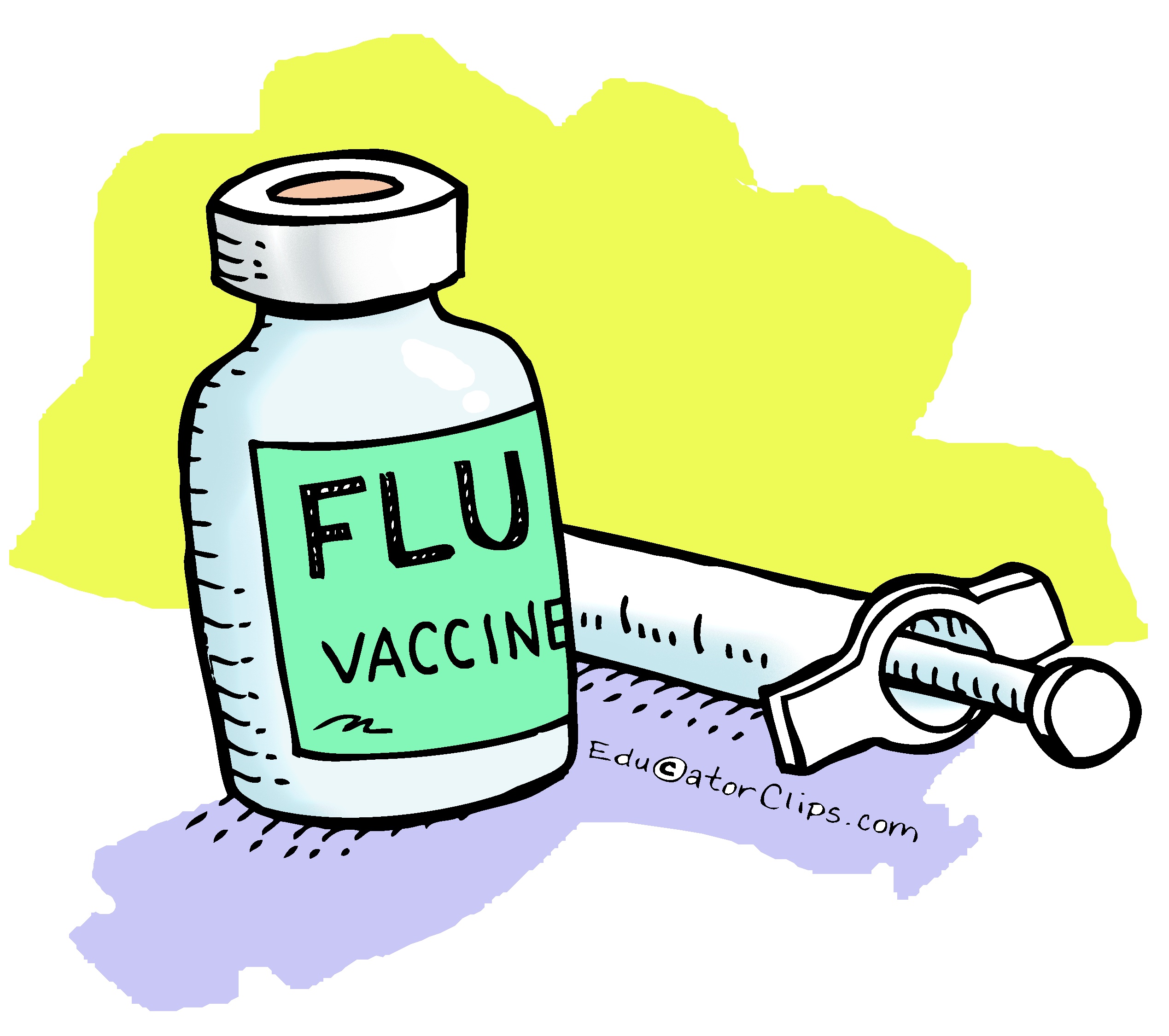
The best way to prevent the flu is getting vaccinated. The vaccine may be less effective in older individuals, but it will make the illness less severe and reduces the chance of complications and death. Vaccination is especially important for people who are at a higher risk (mentioned above). The virus can spread easily between people when they cough or sneeze via infectious droplets. The flu can spread rapidly in crowded areas such as schools and nursing homes.
Other ways to prevent the flu:
- Wash your hands regularly
- Cover your mouth and nose when coughing or sneezing
- Dispose of tissues correctly
- Stay home when you are sick
- Avoid close contact with people who are sick
- Avoid touching your eyes, nose, and mouth
- Improve your air quality by bringing in fresh outside air, purifying air, or gathering outdoors
- Clean frequently touched surfaces, such as countertops, handrails, and doorknobs
- Get plenty of sleep, exercise, manage your stress, drink plenty of fluids and eat healthy foods
Preventing the Spread of the Flu at Work
- Routinely clean frequently touched objects and surfaces including doorknobs, phones, and keyboards
- Make sure your workplace has an adequate supply of soap, tissues, paper towels, alcohol-based hand wipes, and disposable wipes
- Train others how to do your job so they can cover for you in case you or your family member gets sick, and you have to stay home
- If you begin to feel unwell at work, go home as soon as possible
Treatment
Typically, when individuals have the flu, the best remedy includes rest and consumption of plenty of fluids. However, if you have a severe infection or are at higher risk of complications, your healthcare professional may prescribe an antiviral medicine to treat the flu. These medications may shorten the illness by a day or so and help prevent serious complications.

Lifestyle and Home Remedies
- Hydrate
- Drink water, juice, and warm soup to prevent dehydration
- Rest
- Get more sleep to help your immune system fight the infection
- You may need to change your activity levels depending on your symptoms
- Consider pain relievers to combat fever, headache, or other aches
- Acetaminophen (Tylenol)
- Ibuprofen (Advil, Motrin IB, others)
Grand Forks Resources:
- Make your flu vaccine appointment:
- Student Health Services (Flu shots for students, faculty, and staff)
- Call 701-777-4500 to make an appointment
- CVS
- Walgreens
- Altru
- Grand Forks Public Health
- Student Health Services (Flu shots for students, faculty, and staff)
References:
https://www.who.int/news-room/fact-sheets/detail/influenza-(seasonal)
https://www.cdc.gov/flu/prevent/actions-prevent-flu.htm
https://www.mayoclinic.org/diseases-conditions/flu/diagnosis-treatment/drc-20351725
https://www.cdc.gov/flu/symptoms/symptoms.htm


